Cloud
Cloud platforms, services, and infrastructure
Anthropic's Financial Review: A Candid Look at AI Investment and Revenue Risks
Anthropic faces significant financial challenges with a $42 billion loss projected for 2025, raising concerns about the sustainability of its AI expansion efforts.
Read analysis →
AI Agents in the Workplace: OpenAI Introduces Dots for Enhanced Productivity
OpenAI's new AI agents, Dots, operate independently to boost workplace productivity, offering advanced capabilities at a lower cost and enabling real-time collaboration.
Read analysis →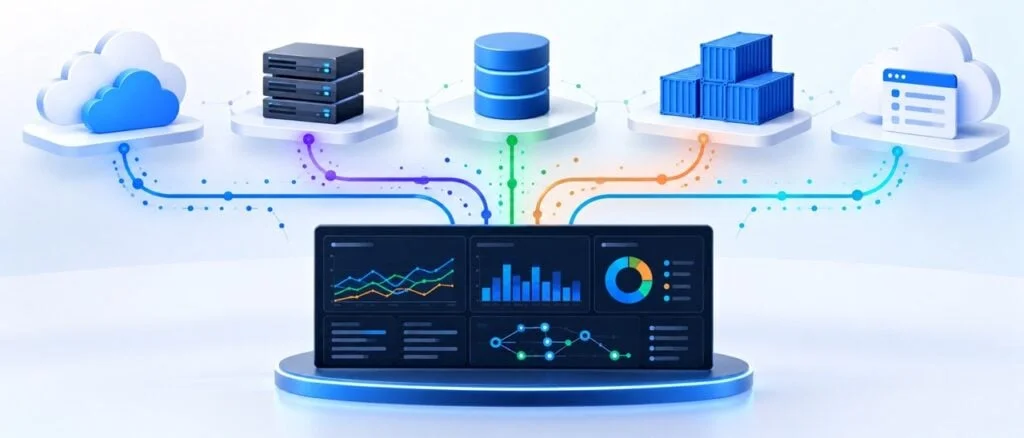
Rethinking Observability Beyond Cloud-Native Environments
Observability for enterprise teams transcends cloud-native frameworks, addressing diverse operational structures and system requirements.
Read analysis →
Streamlining GPU Usage in Kubernetes: CloudBolt's New Insight Capabilities
CloudBolt's new StormForge feature enhances visibility into GPU consumption by Kubernetes workloads, allowing IT teams to optimize resource allocation effectively.
Read analysis →
Karmada Achieves CNCF Graduation, Enhancing Kubernetes Multi-Cluster Management
Karmada has officially graduated from the CNCF, enhancing its capacity for multi-cluster management, particularly for AI workloads.
Read analysis →
Groundcover Acquires Wand to Enhance Kubernetes Resource Efficiency
Groundcover's acquisition of Wand aims to boost Kubernetes efficiency, dynamically optimizing resource allocations to reduce waste and costs.
Read analysis →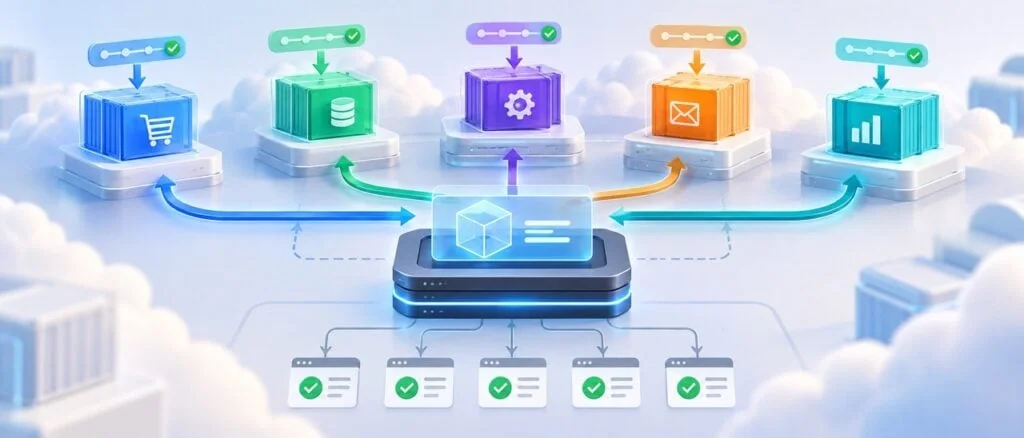
Essential Features for Dependency Mocking Tools in Cloud Native Environments
As cloud native architectures challenge traditional testing methods, dependency mocking tools need to evolve with features that ensure test accuracy.
Read analysis →
Canada's Banks Collaborate on Secure Digital Currency Transformation
Canada's major banks are creating a tokenized deposit system to enhance transaction efficiency while addressing public concerns about digital currency privacy.
Read analysis →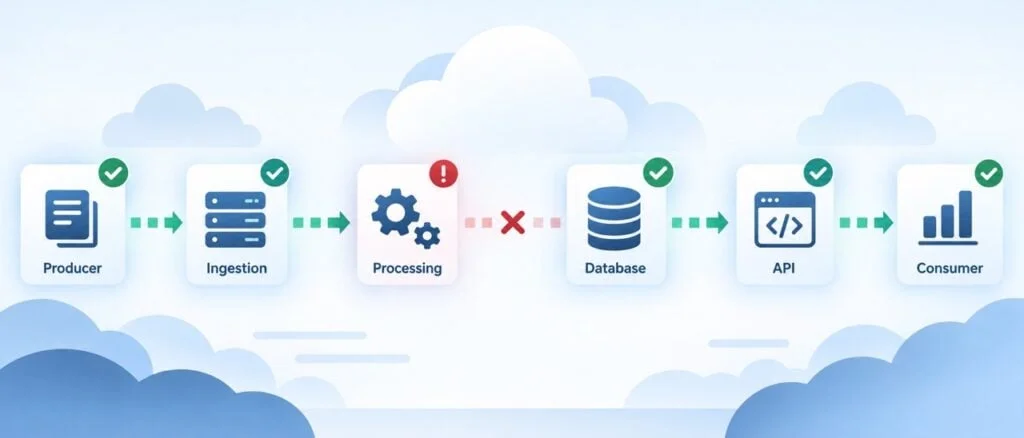
Reevaluating Health Checks: Ensuring Data Freshness in Cloud-Native Applications
As cloud-native applications become increasingly data-driven, it's vital to prioritize data freshness alongside traditional health checks for optimal performance.
Read analysis →
Samsung Gallery Transitions to Google Photos for Cloud Backup
Samsung Gallery is replacing OneDrive integration with Google Photos, enabling seamless cloud photo management for users.
Read analysis →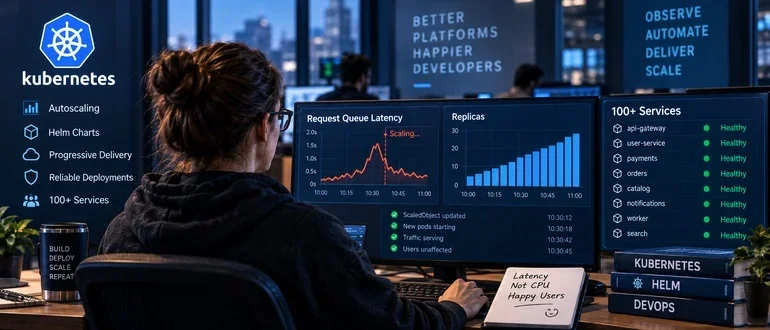
Understanding Effective Autoscaling Strategies for Rails Applications
Explore why traditional CPU-based autoscaling fails Rails apps, and learn about more effective metrics like queue latency for timely scaling.
Read analysis →
Enhancing Cloud-Native Security with Production-Safe Testing Techniques
Production-safe security testing is crucial for identifying real vulnerabilities in cloud-native applications, ensuring ongoing protection post-deployment.
Read analysis →
How Kubernetes is Evolving to Support AI Workloads
Kubernetes is adapting to AI demands by integrating new capabilities into existing infrastructures, proving it's not just surviving but thriving.
Read analysis →
Microsoft Places Hourly Limits on Xbox Cloud Gaming Subscriptions
Xbox Cloud Gaming introduces monthly hour limits for Game Pass users, with pricing details to follow.
Read analysis →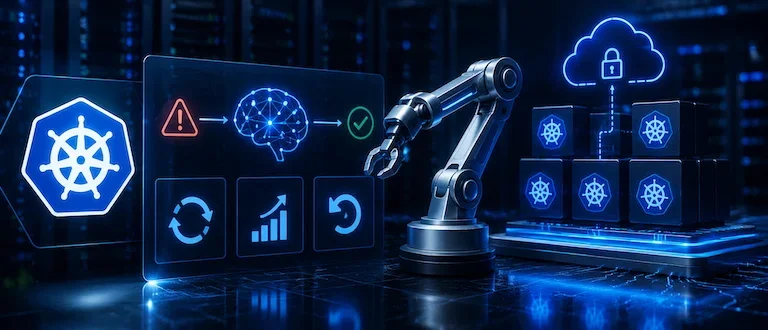
DataAgent's AI Platform Offers Autonomous Resolution for Kubernetes Issues
DataAgent's new AI platform effectively addresses Kubernetes issues by automating remediation processes, saving time and resources for engineers.
Read analysis →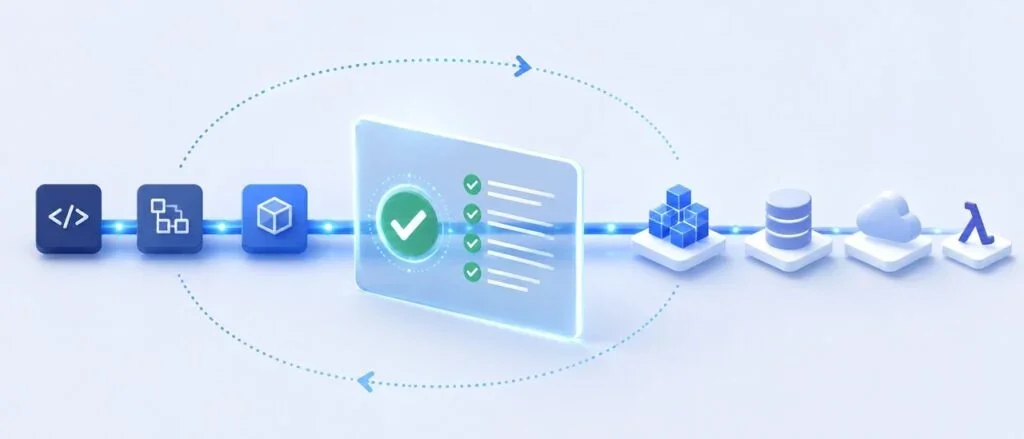
Rethinking GRC: Embracing Continuous Assurance in Cloud-Native Environments
Shifting from traditional governance, risk, and compliance models to continuous assurance is essential in dynamic cloud-native landscapes.
Read analysis →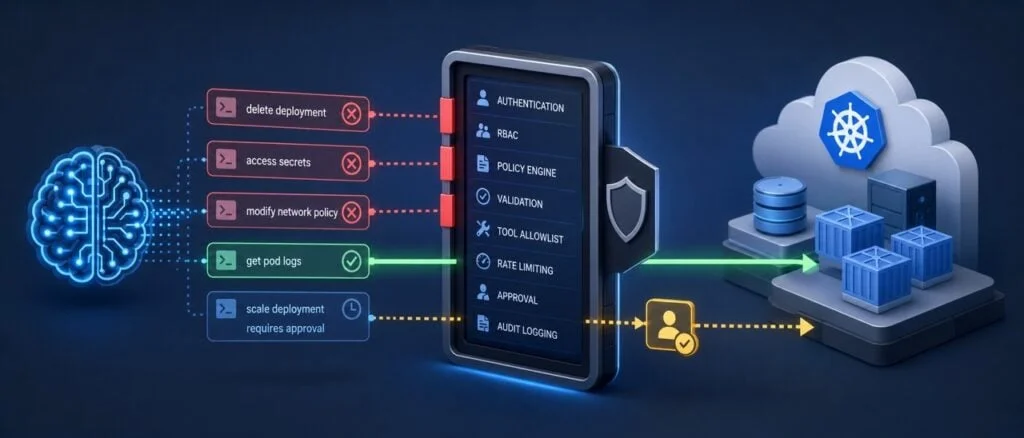
Addressing Access Control Challenges in Cloud-Native AI: The Prompt Injection Dilemma
Prompt injection in cloud-native AI is now a pressing access control issue, highlighting the need for stricter security protocols and accountability measures.
Read analysis →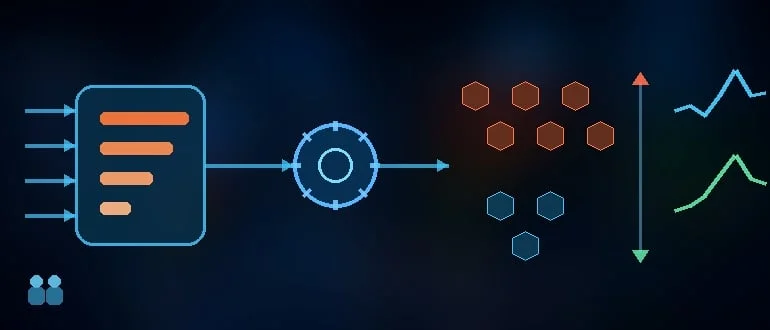
Optimize AI Workload Scaling on Kubernetes with KEDA's Advanced Metrics
KEDA effectively addresses the unique scaling challenges of AI workloads, adjusting resources based on real demand rather than conventional metrics.
Read analysis →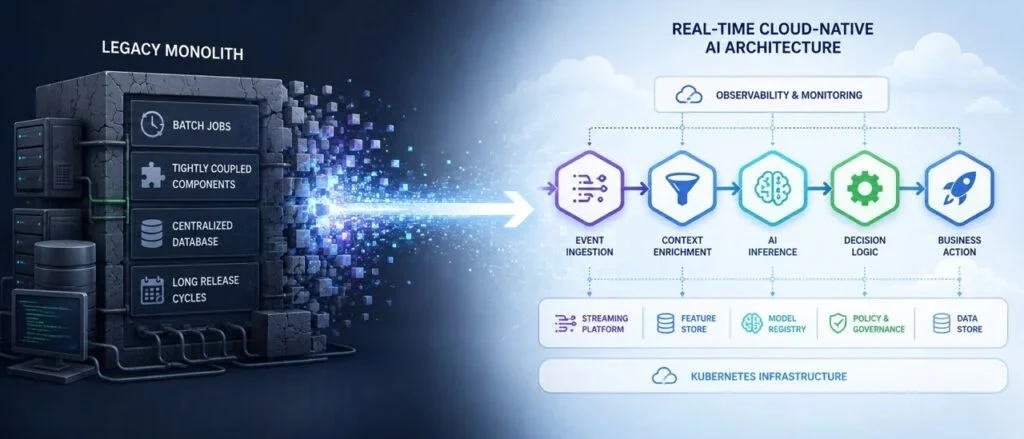
Transforming Legacy Systems for Agile Real-Time AI Implementation
Enterprises must rethink legacy systems for real-time AI by adopting event-driven architectures, scalability, and modular governance strategies.
Read analysis →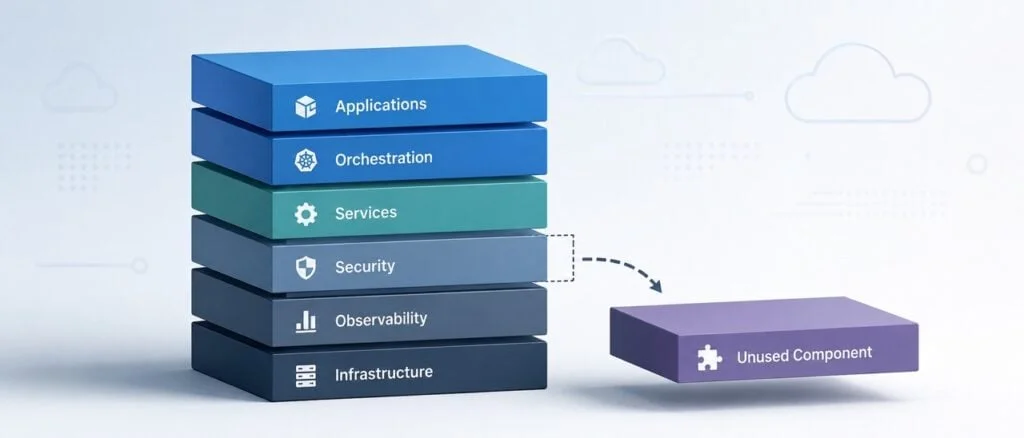
Reevaluating Layers in Cloud-Native Platforms: Balancing Complexity and Cost
Cloud-native platforms can spiral into unnecessary complexity; a reevaluation of operational costs and component value is essential for efficiency.
Read analysis →