Cloud
Cloud platforms, services, and infrastructure

GKE Cost Optimization Starts With Workload Requests, Then Scales to Nodes and GPUs
GKE’s automation can manage infrastructure, but teams still need to right-size workloads and match capacity to demand. New utilization data shows where to start.
Read analysis →
EKS Cost Optimization: Why Kubernetes Clusters Leave CPU and GPUs Idle
EKS fleets average 8% CPU and 5% GPU utilization. Rightsizing, workload sharing and smarter Spot placement can turn idle capacity into useful compute.
Read analysis →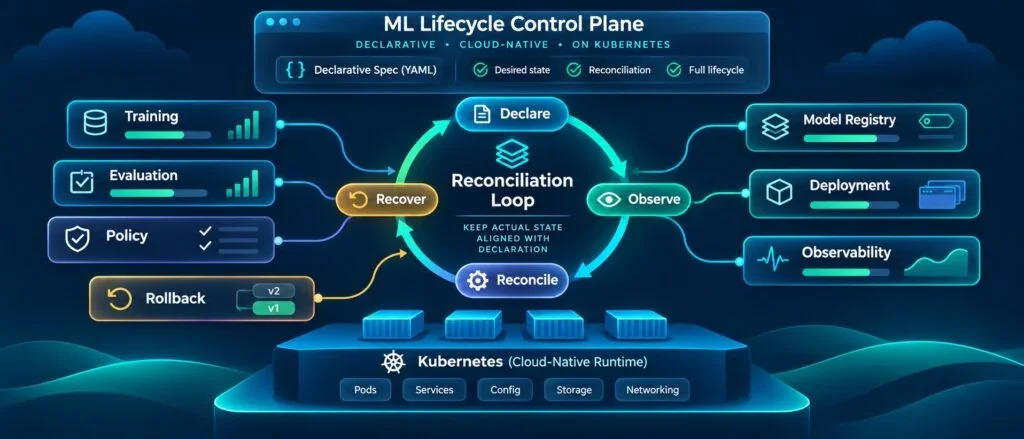
Kubernetes-Native ML Platforms Need Declarative Lifecycle Management
Kubernetes can schedule ML workloads, but declarative lifecycle control is what makes training, evaluation, and deployment observable and recoverable.
Read analysis →
CIQ Stratum Kubernetes Engine Bundles Cluster Deployment and AI Agent Controls
CIQ’s open-source Stratum SKE packages Kubernetes in one signed binary, with managed upgrades and tiered MCP tools for controlled agent access.
Read analysis →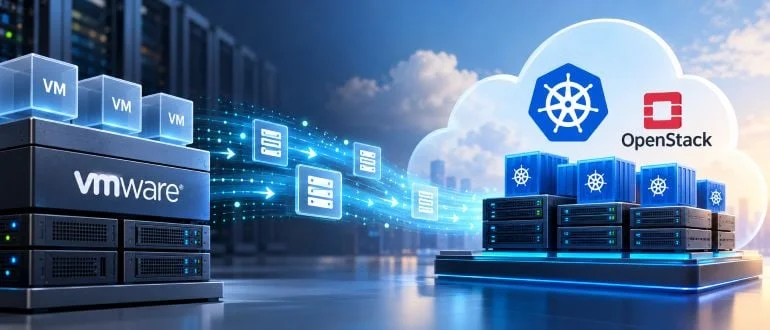
Mirantis Offers VMware-to-Kubernetes Migration Help for OpenStack
Mirantis will assess and migrate VMware workloads to its MOSK platform, with typical projects taking about five weeks and aiming to reuse existing infrastructure.
Read analysis →
Akamai Agent Sandbox Uses WebAssembly to Isolate AI-Generated Code
Akamai’s beta sandbox isolates code written by AI agents with WebAssembly, addressing growing security risks as agents gain access to company systems.
Read analysis →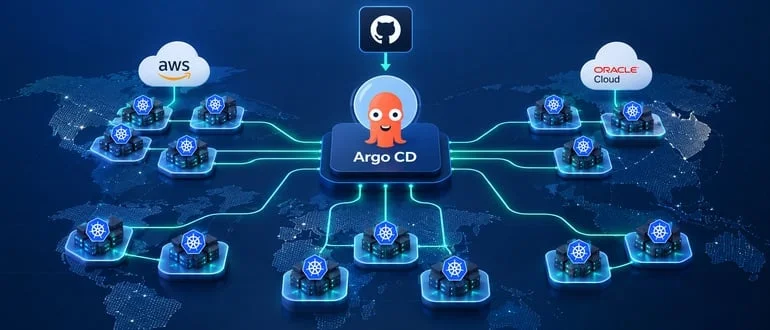
Argo CD at 34 Clusters: What Makes a GitOps Control Plane Work
A 34-cluster Argo CD fleet shows how clear cluster contracts, rendered diffs and cautious deletion settings can keep GitOps manageable at scale.
Read analysis →
Circle and ACI Pilot USDC Settlement on Colombia’s Existing Banking Rails
Circle and ACI will test USDC settlement alongside Colombia’s instant payment network, exploring how stablecoins can fit banks’ existing systems.
Read analysis →
Kubernetes Workload Identity: Short-Lived Tokens for Secure Cloud Access
Kubernetes workload identity replaces static credentials with short-lived tokens, while requiring trusted issuers, audience checks and token rotation.
Read analysis →
Ken Griffin Warns of an AI Bubble While Seeing Long-Term Potential
Griffin warns AI chip oversupply and cheaper models could pressure returns, even as AI agents show practical productivity gains.
Read analysis →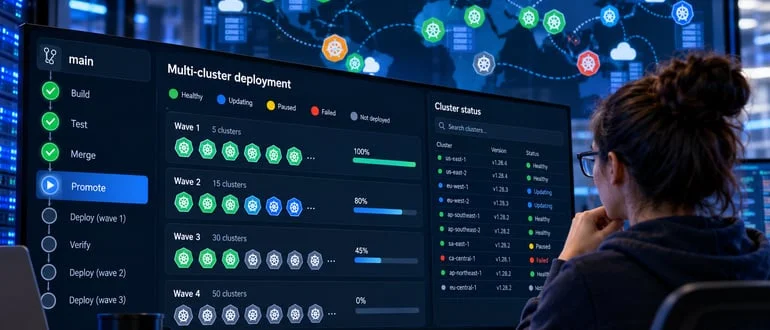
GitOps Release Promotion Adds Control to Kubernetes Fleet Deployments
For fleets of hundreds of Kubernetes clusters, staged release promotion adds verification, visibility and a stop point between a Git merge and broad deployment.
Read analysis →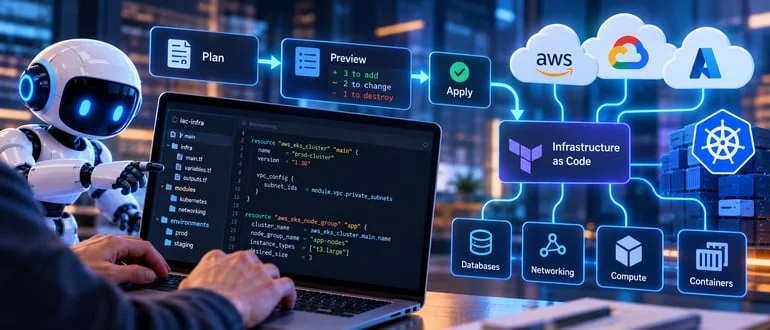
Infrastructure as Code Gives AI Agents a Safer Path to Kubernetes Changes
IaC makes Kubernetes and hybrid infrastructure changes reviewable, helping teams manage upgrades and drift while keeping AI agents inside human approval workflows.
Read analysis →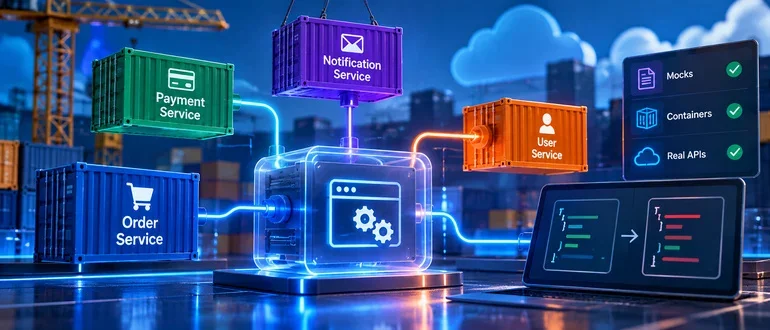
Adapting Service Virtualization Strategies for Evolving Cloud-Native Architectures
Service virtualization must evolve with cloud-native architectures to ensure accuracy, as independent deployments can lead to misalignment and integration risks.
Read analysis →
Streamlining WordPress with Containers on Kubernetes: A Practical Approach
Exploring the practical integration of headless WordPress and Kubernetes for improved scalability and deployment efficiency in web applications.
Read analysis →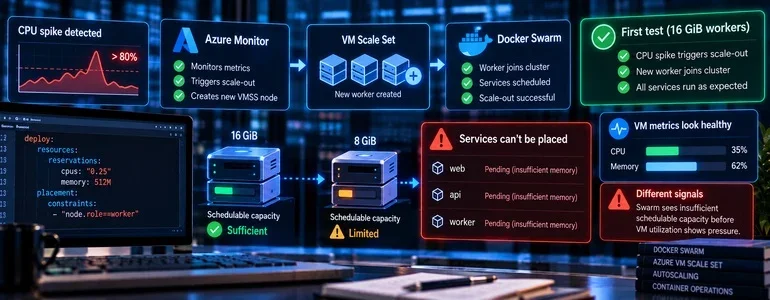
Reevaluating Autoscaling: Aligning Scheduler and Infrastructure Metrics
A hands-on approach to test autoscaling reveals vital discrepancies between scheduler capacity and infrastructure metrics, essential for optimized operations.
Read analysis →
Maximizing Azure Kubernetes Service: Addressing Resource Inefficiencies in AI Workloads
Research shows Azure Kubernetes Service suffers from significant resource inefficiencies, with up to 98% of GPU costs wasted due to overprovisioning.
Read analysis →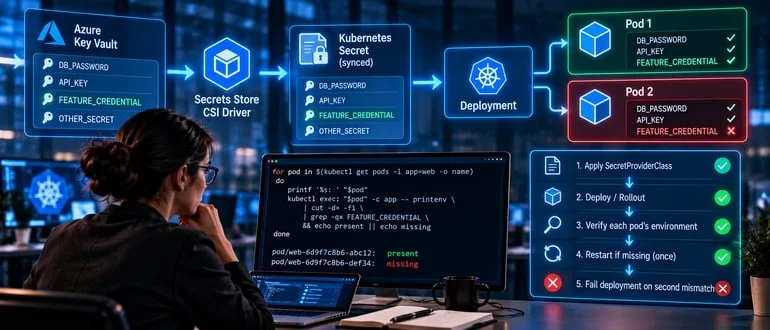
Understanding Secrets Synchronization Issues in Kubernetes Deployments
Explore how mismatches in Kubernetes Secrets across pods can lead to performance issues and learn strategies for effective deployment verification.
Read analysis →
Nvidia Surges to $5.7 Trillion Valuation Amid Record Buyback and AI Demand
Nvidia's stock hits an all-time high, reflecting strong AI-driven revenue and a historic $150 billion buyback, solidifying its top position in the tech sector.
Read analysis →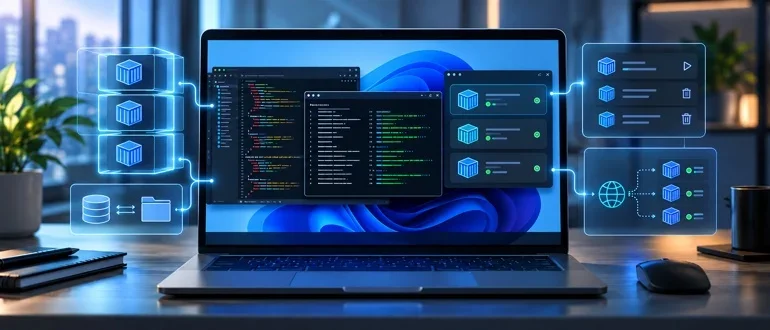
Microsoft Embeds Linux Container Functionality in Windows for Developers
Microsoft's latest update integrates Linux container support directly into Windows, simplifying development for Linux-based applications.
Read analysis →
Anthropic's Financial Review: A Candid Look at AI Investment and Revenue Risks
Anthropic faces significant financial challenges with a $42 billion loss projected for 2025, raising concerns about the sustainability of its AI expansion efforts.
Read analysis →