Public affairs, explained with context.

Kubernetes Recovery Depends on an Independent Infrastructure Access Path
Kubernetes can keep workloads running through failures, but teams also need a separate way to reach and restore the infrastructure.
Read analysis →
Kubernetes Security Automation Needs Production Change Controls
Agentic SOCs can speed incident response, but Kubernetes containment must account for workload ownership, GitOps reconciliation, evidence and approval.
Read analysis →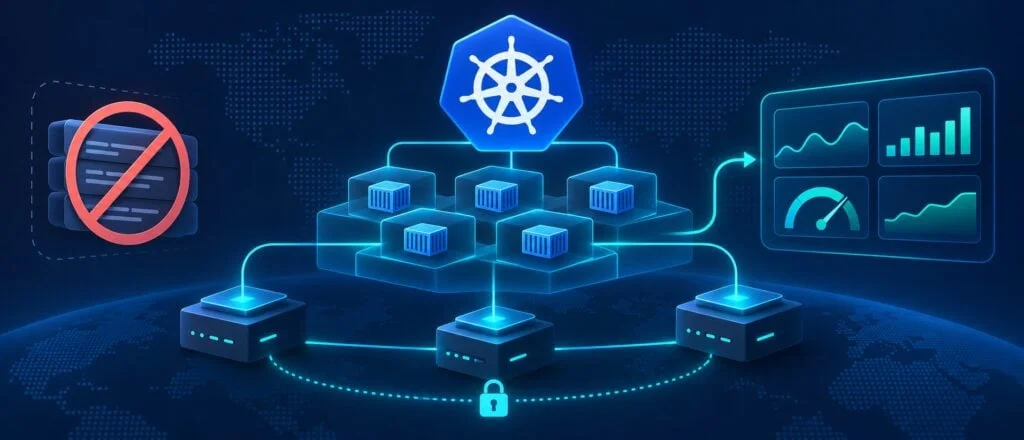
K3s Production Without Centralized Logs: Metrics-First Observability in Practice
A K3s platform uses Prometheus metrics and temporary diagnostics to detect incidents while avoiding centralized collection of application logs.
Read analysis →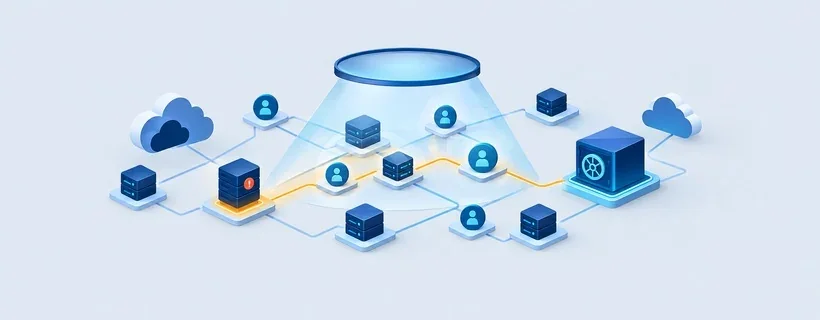
Cloud Exposure Management Adds Context to Detection and Response
Exposure data connects cloud alerts to permissions, asset value and attack paths, helping teams prioritize investigations and contain risk faster.
Read analysis →
GKE Cost Optimization Starts With Workload Requests, Then Scales to Nodes and GPUs
GKE’s automation can manage infrastructure, but teams still need to right-size workloads and match capacity to demand. New utilization data shows where to start.
Read analysis →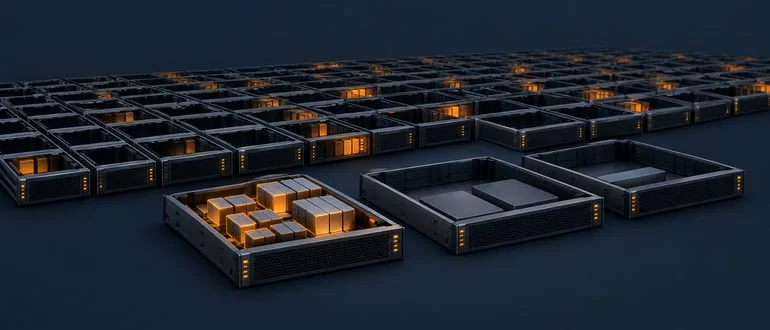
EKS Cost Optimization: Why Kubernetes Clusters Leave CPU and GPUs Idle
EKS fleets average 8% CPU and 5% GPU utilization. Rightsizing, workload sharing and smarter Spot placement can turn idle capacity into useful compute.
Read analysis →
Stock Perpetual Futures Approved for U.S. Exchanges Under CFTC and SEC Oversight
U.S. exchanges can list perpetual futures tied to individual stocks, bringing leveraged, no-expiration contracts under joint CFTC and SEC oversight.
Read analysis →
Tokenized Stock Objections Rise to 56 as Major Companies Block OKX Listings
Amazon, Tesla and Netflix joined 53 other issuers objecting to third-party tokenized stock listings on OKX’s venue, narrowing its potential offerings.
Read analysis →
Bitcoin and Ethereum Face ETF Outflows as Markets Assess Binance Hack Resilience
Bitcoin ETF outflows top $1 billion after the Binance hack, while Ethereum faces weaker demand as BitMine nears its stated buying limit.
Read analysis →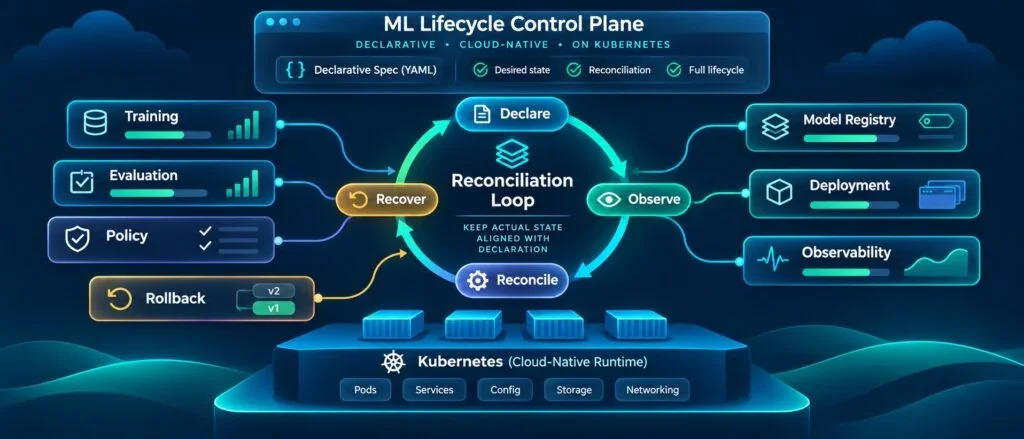
Kubernetes-Native ML Platforms Need Declarative Lifecycle Management
Kubernetes can schedule ML workloads, but declarative lifecycle control is what makes training, evaluation, and deployment observable and recoverable.
Read analysis →
CIQ Stratum Kubernetes Engine Bundles Cluster Deployment and AI Agent Controls
CIQ’s open-source Stratum SKE packages Kubernetes in one signed binary, with managed upgrades and tiered MCP tools for controlled agent access.
Read analysis →
Binance Hack Puts CFTC’s Proposed Crypto Exchange Oversight in Focus
After a $6.4 billion breach, CFTC Chair Michael Selig argues offshore crypto exchanges need a path to U.S. supervision. Binance says investigators found additional breach points.
Read analysis →
Intel AI Chip Demand Grows as Production Limits Weigh on Outlook
Intel’s data center and AI revenue surged, but chip production constraints, weaker PC demand and heavy manufacturing spending cloud its near-term outlook.
Read analysis →
Binance Hack Tests Crypto Market Resilience and Exchange Security
Analysts say Binance’s $6.3 billion hack may not derail crypto’s recovery, but unresolved losses and security risks could shape market confidence.
Read analysis →
Reddit Faces Google AI Search Traffic Risk Despite 53% Revenue Growth
Reddit’s revenue surged 53%, but slowing user growth and falling Google referrals raise concerns about how AI search could affect its audience.
Read analysis →