Cloud
Cloud platforms, services, and infrastructure
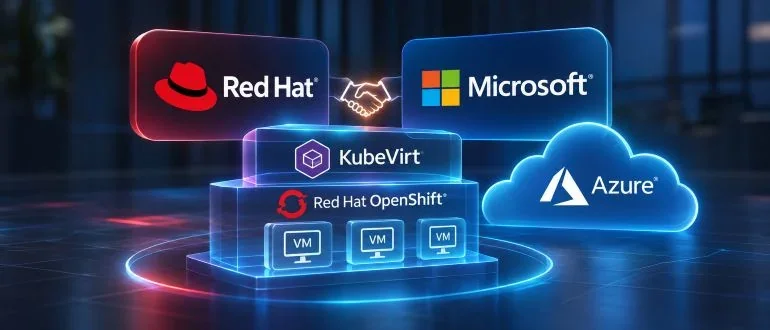
Red Hat Extends OpenShift Alliance with Microsoft to Virtualization
Cloud-Native Development Features Kubernetes Social - Facebook Social - LinkedIn Social - X Topics Virtualization November 20, 2026 Mike Vizard Kubernetes, Microsoft Azure, red hat, virtualization by...
Read analysis →
Nvidia, AMD, Micron Sink as Anthropic Closes 17% Above IPO Price
In brief Anthropic opened at $111.50 but retreated to $97.17 by market close, still 17% above its IPO price. Nvidia's post-earnings slump and an AMD short-seller report weighed on chipmakers, while Mi...
Read analysis →
AWS Nitro Sandboxes Give Each Container Its Own Kernel
AWS Nitro Sandboxes run pods, ECS tasks, and EC2 workloads in their own lightweight VMs with separate kernels, at no extra charge for the feature.
Read analysis →
iCloud Plus Now Raises Siri AI Limits, Starting at $2.99 a Month
Apple's iCloud Plus tiers now carry higher Siri AI limits, starting at $2.99 a month in the US. The baseline allowance is still undisclosed.
Read analysis →
Kubernetes Gets Serious About GPU Scheduling and Agent Control
Kubernetes is adding gang scheduling, finer accelerator allocation, and faster container startup for AI. The 1.38 release and Karpenter changes target GPU efficiency at scale.
Read analysis →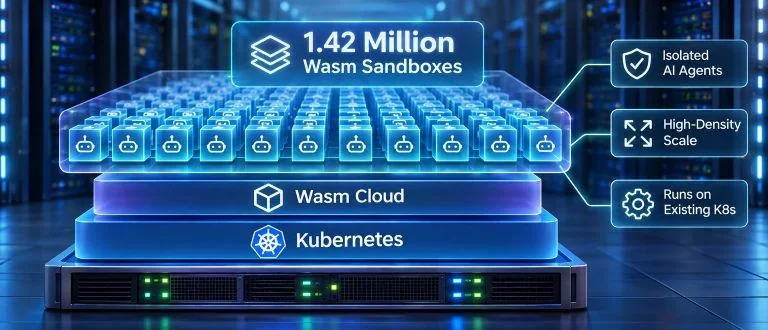
Wasm Sandboxes Could Pack 1.42 Million AI Agents onto One Kubernetes Server
Cosmonic ran 1.42 million Wasm sandboxes on one 64-core server with wasmCloud. Narrow AI agents may be a natural fit.
Read analysis →
Solo.io Lets Idle AI Agents Step Off Kubernetes Pods
Solo.io's Agent Substrate suspends idle AI agents and restores them in under 500 milliseconds, freeing Kubernetes capacity for busier workloads.
Read analysis →
Kubernetes Is Being Re-Engineered for AI Agents That Sit Idle Most of the Time
Long-running AI agents tie up Kubernetes pods and strain the control plane. Google's Agent Substrate, gVisor and NVIDIA's OpenShell are early fixes.
Read analysis →
Rafay and Fortanix Bring Confidential AI Inside Kubernetes Pods
Rafay and Fortanix now run confidential AI in Kubernetes pods via CNCF Confidential Containers, releasing keys only after GPU and CPU attestation.
Read analysis →
CoreWeave Runs Managed PostgreSQL Inside Kubernetes, Next to the GPUs
CoreWeave Database brings managed PostgreSQL into customers' Kubernetes clusters beside GPU workloads, built on CloudNativePG with pgvector support.
Read analysis →
Klio Brings Continuous WAL Streaming and Near-Zero Data Loss to CloudNativePG
EDB donated Klio, a continuous WAL-streaming backup tool, to CloudNativePG and previews enterprise add-ons that keep the open source operator in place.
Read analysis →
Catching Coordinated Fraud Across Services by Grouping Related Events
Fraud hides in the gaps between services. Grouping related events into time-based episodes using pseudonymous signals catches campaigns that per-service models miss.
Read analysis →
SUSE Puts AI Agents to Work on Kubernetes, VMs and Linux
SUSE's new agentic AI tools, hosted control planes, and SLES 16.1 target platform teams running containers, VMs and AI workloads side by side.
Read analysis →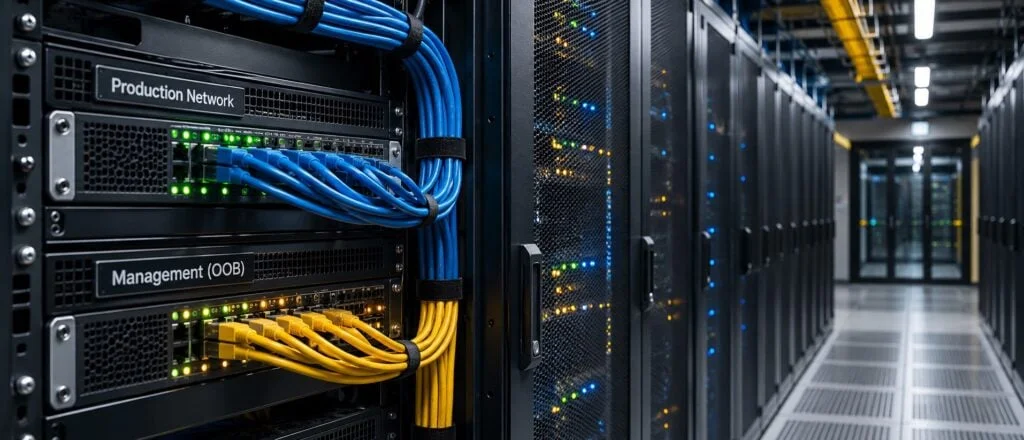
Kubernetes Recovery Depends on an Independent Infrastructure Access Path
Kubernetes can keep workloads running through failures, but teams also need a separate way to reach and restore the infrastructure.
Read analysis →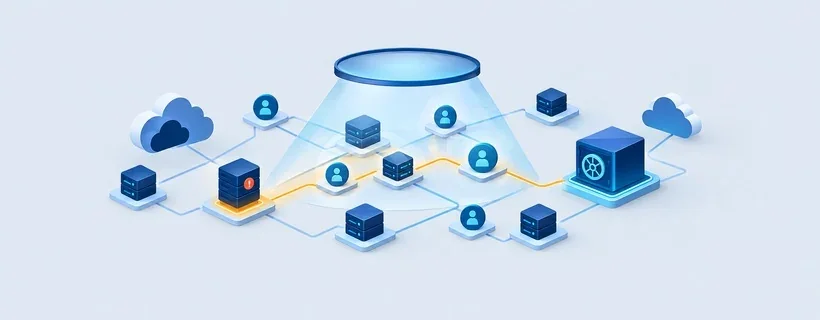
Cloud Exposure Management Adds Context to Detection and Response
Exposure data connects cloud alerts to permissions, asset value and attack paths, helping teams prioritize investigations and contain risk faster.
Read analysis →
Buoyant Kinference Brings GPU-Aware AI Inference Management to Kubernetes
Kinference coordinates vLLM inference across Kubernetes, helping teams manage GPU capacity, costs and performance while routing selected requests to cloud providers.
Read analysis →
GKE Cost Optimization Starts With Workload Requests, Then Scales to Nodes and GPUs
GKE’s automation can manage infrastructure, but teams still need to right-size workloads and match capacity to demand. New utilization data shows where to start.
Read analysis →
EKS Cost Optimization: Why Kubernetes Clusters Leave CPU and GPUs Idle
EKS fleets average 8% CPU and 5% GPU utilization. Rightsizing, workload sharing and smarter Spot placement can turn idle capacity into useful compute.
Read analysis →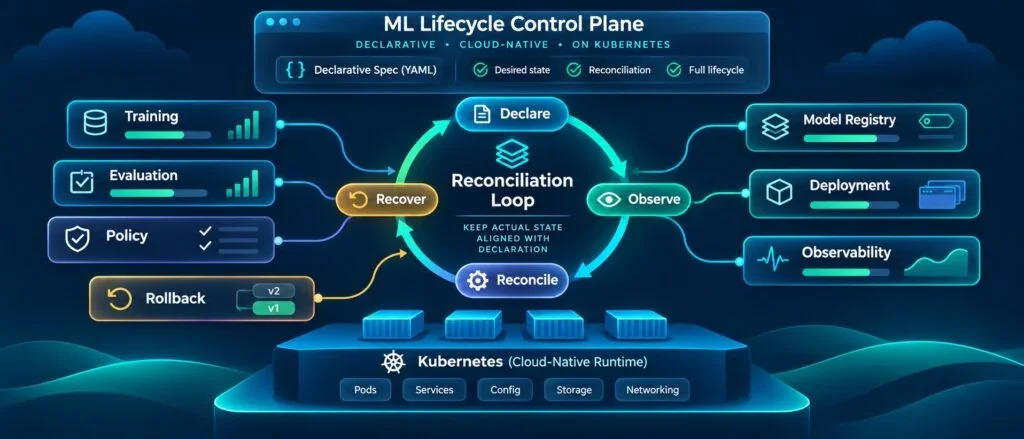
Kubernetes-Native ML Platforms Need Declarative Lifecycle Management
Kubernetes can schedule ML workloads, but declarative lifecycle control is what makes training, evaluation, and deployment observable and recoverable.
Read analysis →
CIQ Stratum Kubernetes Engine Bundles Cluster Deployment and AI Agent Controls
CIQ’s open-source Stratum SKE packages Kubernetes in one signed binary, with managed upgrades and tiered MCP tools for controlled agent access.
Read analysis →