DataAgent's new AI platform effectively addresses Kubernetes issues by automating remediation processes, saving time and resources for engineers.
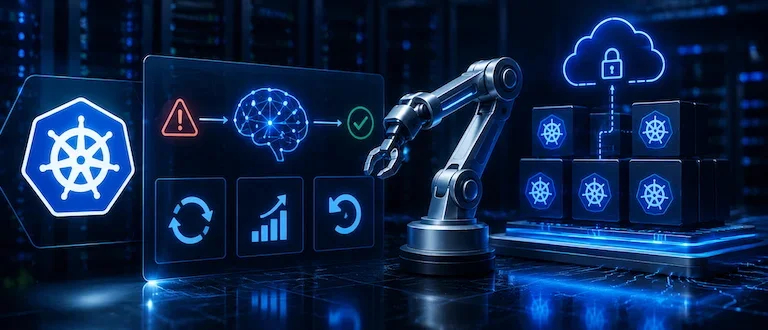
DataAgent has recently emerged, announcing $10 million in pre-seed funding and a state-of-the-art AI platform capable of autonomously handling production issues within Kubernetes environments. The company aims to redefine incident response in cloud-native infrastructure.
Transforming Incident Response
Describing its technology as a remediation-first platform, DataAgent functions like an autonomous Site Reliability Engineer (SRE). This characterization reflects a significant shift in how organizations can manage their IT in complex cloud-native architectures. Traditional SREs often operate reactively, responding to incidents after they're reported. In contrast, DataAgent's solution takes a proactive stance, addressing problems before they escalate, which can lead to smoother operations and enhanced reliability.
It works within cloud-native control planes and integrates directly with existing observability tools, acting as a lightweight overlay. When a fault is detected, its agents assess the live system's state, including topology and configuration drift, and can perform actions such as restarting or rolling back workloads as necessary. This capability not only enhances recovery speed but also promises to reduce the cognitive load on human operators who often juggle multiple alerts and priorities in high-pressure situations.
Proactive, Not Reactive
This innovative approach shifts the typical incident response paradigm. Instead of waiting for engineers to be alerted about problems, DataAgent proactively restores service when it recognizes a failure it can address, followed by a more thorough root cause analysis. Automating the initial response can help organizations minimize downtime, which is an ever-growing concern as businesses rely more heavily on 24/7 operations. The preventative nature of DataAgent could drastically lower the costs associated with incident management, a recurring expense that adds up quickly in environments where every minute counts.
Balancing Safety with Automation
While this level of automation might raise eyebrows concerning safety, DataAgent has developed a discovery phase during onboarding. This phase identifies specific failure categories that the software can credibly remediate autonomously. The clear delineation between known issues that can be handled automatically and the unknown issues that require human evaluation provides a necessary balance. It’s not just about rushing to automate; it’s about making sure that significant changes comply with existing change management processes within customer organizations, something that is essential to avoid potential pitfalls.
Preventative Measures and Continuous Learning
Furthermore, DataAgent's platform is engineered to preemptively prevent failures before they enter production. The dual-engine system combines a remediation engine with a pre-deployment analysis engine capable of blocking changes likely to disrupt service. This collaborative cycle allows DataAgent’s platform to learn continuously from resolved incidents and those it preemptively prevented. It’s a model that not only safeguards operational integrity but could also evolve to improve over time organically as it gains insights into an organization’s unique challenges.
Local Telemetry and Cost Efficiency
Processing telemetry occurs within the customer's environment, mitigating the need to ship logs and metrics to external services for analysis. This aspect of DataAgent's offering is particularly appealing in a climate where organizations are increasingly wary of data privacy issues and associated costs. By keeping data local, DataAgent not only respects compliance requirements but also potentially lowers observability costs. The local telemetry agent is available as an open-source solution, while a paid SaaS offering provides fleet management and orchestration capabilities, catering to varying organizational needs depending on their scale and budget.
Funding and Founding Vision
The recent funding round, led by MizMaa Ventures and Alicorn Venture Partners, supports DataAgent’s mission as it seeks to carve out a space for itself in the tech industry. Founded in January by CEO Ishay Yaari and CTO Nati Shalom, the two have a history together at Cloudify, a cloud orchestration company acquired by Dell in 2023. Their past collaboration indicates a shared vision for tackling the challenges of cloud-native operations through advanced automation.
Shalom noted that the vision behind DataAgent is to operate where operational data resides and to grant the platform increased autonomy incrementally as it successfully manages specific failure types. This signifies a potential shift in cloud-native operations, moving beyond merely observing incidents to a capable software solution that can autonomously resolve more issues. If you're working in this space, this approach could redefine not just how incidents are handled but also how teams view reliability and performance.
Future Outlook and Implications
As organizations continue to migrate to cloud-native architectures, solutions like DataAgent's are poised to gain traction. The demand for less manual oversight in incident management is only likely to grow, and those who can automate effectively will distinguish themselves in a crowded marketplace. The implications of such technology extend beyond efficiency; they could reshape team dynamics, reduce burnout, and ultimately lead to more reliable services for end-users. Yet, companies must also watch for over-reliance on automation, which can sometimes breed complacency. The balance between machine efficiency and human oversight will remain a critical consideration.
Ultimately, while DataAgent's technology appears promising, the actual effectiveness of such platforms will hinge on real-world performance and adoption rates. Many organizations will be watching closely to see how DataAgent performs in varied environments, wary of automation’s limits and the potential consequences when systems fail. This is more significant than it looks — it’s about reshaping the very fabric of incident management.
Discussion
Sign in to join the discussion.