Shifting from traditional governance, risk, and compliance models to continuous assurance is essential in dynamic cloud-native landscapes.
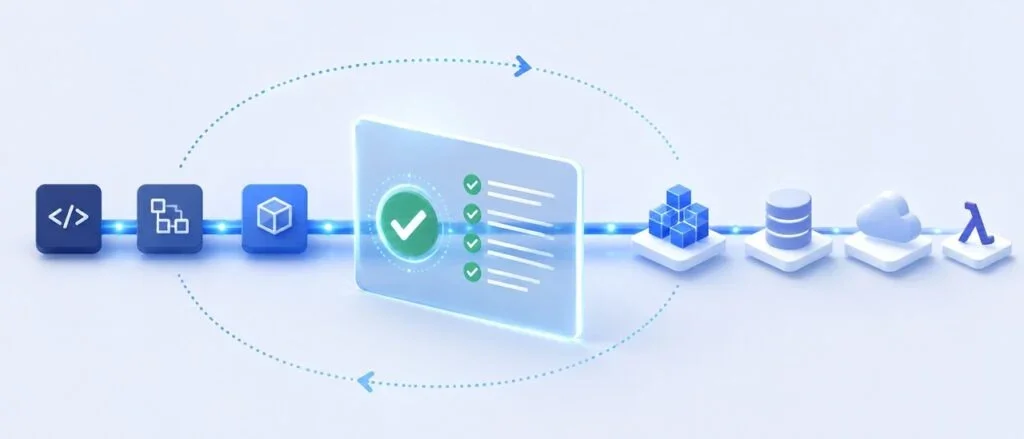
The conventional approach to governance, risk, and compliance (GRC) has relied heavily on static checklists and periodic assessments. This methodology was adequate when IT environments evolved slowly, with structured applications and easily manageable change approval processes. However, today's cloud-native ecosystems are radically different, necessitating a shift towards continuous assurance protocols.
The Ineffectiveness of Periodic Controls
Standard GRC frameworks, such as SOC 2, ISO 27001, and PCI DSS, were designed with the expectation that controls could be verified once and trusted until the next audit. In today's dynamic cloud environments, this approach fails to account for the rapid changes occurring, as infrastructure can evolve multiple times within a single day. For instance, a compliance team might confirm that all S3 buckets are secure one month, only to have new buckets created and existing permissions altered shortly after, making that assurance obsolete.
Introducing Continuous Assurance
Continuous assurance represents a paradigm shift in compliance management. Instead of asking if a system is compliant at a single point in time, it poses the question: “Are we compliant right now?” This mindset aligns compliance assessment with the operational tempo of cloud-native applications, which demand constant monitoring akin to performance metrics such as uptime and latency.
The foundation for this transformative approach lies in the programmable nature of cloud infrastructure. Automation, declarative methodologies, and ubiquitous APIs, which complicate traditional governance, can also enable ongoing compliance tracking.
Key Components of Continuous Assurance
Implementing continuous assurance involves several key strategies:
- Controls as Code: In a cloud-native setting, infrastructure is often managed using infrastructure as code (IaC) tools like Terraform or Kubernetes manifests. This allows teams to also manage compliance controls as code, utilizing policy-as-code frameworks such as Open Policy Agent (OPA) and Kyverno for consistent enforcement across deployments.
- Automated Evidence Generation: Rather than relying on manual compilation of compliance evidence, automated processes embedded in CI/CD (continuous integration and continuous deployment) pipelines can generate compliance documentation dynamically during every deployment cycle, streamlining audit preparations.
- Real-time Drift Detection: Automated tools can continuously monitor for deviations from established compliance baselines, enabling organizations to swiftly identify and rectify potential security gaps or compliance violations as they occur, rather than during periodic reviews.
- Dynamic Risk Assessment: Moving from static risk registers to real-time assessments based on current deployments and existing vulnerabilities allows for a more accurate understanding of the risk landscape at any given moment.
Implications for GRC Teams
Transitioning to continuous assurance necessitates a cultural shift within GRC teams. They must adapt to collaborating closely with engineering and development teams rather than operating in isolation. Policies need to be integrated into deployment pipelines and maintained in version control like any other code. Instead of merely validating findings post-production, GRC professionals should focus on fostering an environment where compliance is an ingrained aspect of the development process.
While the nature of audits is changing, their necessity remains. Continuous assurance allows for evidence to be continuously available, enabling auditors to access real-time compliance data rather than sifting through an archive compiled in a rush during audit periods.
The aim of this approach isn't merely to pass compliance checks, but to track compliance trends over time. Continuous assurance solutions can reveal insights into how quickly issues are resolved and how often deviations occur, providing a more nuanced view of a company's risk posture compared to a single pass/fail result from traditional audits.
Addressing Tooling Needs
Organizations often utilize various tools for compliance, security posture management, and vulnerability assessments. Continuous assurance emphasizes the need to unify these tools into integrated platforms capable of correlating data across the entire stack. Without such integration, gaining a comprehensive view of compliance becomes nearly impossible.
The Cultural Transformation Demands
The transition to continuous assurance isn't solely a technological challenge—it’s also a cultural one. GRC teams traditionally measured success based on audit results, a retrospective approach that conflicts with the proactive nature of continuous assurance. To succeed, these teams must embrace an “always-on” mentality, where they actively collaborate with engineering teams and prioritize real-time compliance visibility over periodic assessments.
Successful organizations often begin this transition by selecting a few key controls, encoding them as policies, and integrating them into existing pipelines for automatic evidence generation. Gradually, this approach expands to encompass a broader range of controls until continuous assurance becomes an ordinary aspect of business operations.
Final Thoughts
The rapid evolution of cloud-native infrastructures renders traditional auditing and compliance methods inadequate. Embracing continuous assurance is not just a compliance trend; it's an essential strategy for managing risk effectively in environments defined by constant change. Organizations that incorporate GRC principles into their operational frameworks will be far better positioned to understand and achieve a comprehensive view of their compliance and security status, ensuring they remain resilient in an increasingly complex digital landscape.
Discussion
Sign in to join the discussion.