Komodor introduces its Agentic Operations Platform, allowing SREs to deploy and manage AI agents seamlessly within Kubernetes workflows.
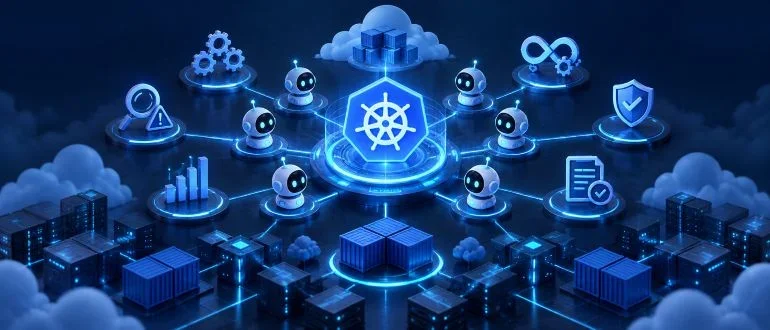
Expanding AI Capabilities in Kubernetes
Komodor has unveiled a new capability that allows site reliability engineers (SREs) to deploy agentic artificial intelligence (AI) workflows directly through their existing platform designed for managing Kubernetes clusters. This development reflects the growing trend of integrating advanced AI functionalities into commonly used DevOps tools, opening up new avenues for efficiency and complexity management.
Introducing the Komodor Agentic Operations Platform
According to Komodor’s CTO Itiel Shwartz, the Komodor Agentic Operations Platform enables users to implement AI agents using the same operational workflows employed for other workloads. This integration means SREs can maintain familiarity while managing increasingly complex AI deployments. It positions the platform as a crucial bridge between traditional operations and emergent AI capabilities.
By leveraging a platform that SREs are already comfortable with, Komodor anticipates a smoother transition to AI-enhanced operations. The design also addresses the skill gap many teams face as they attempt to incorporate AI into their workflows. With existing knowledge at the forefront, organizations can focus more on optimization instead of extensive retraining or onboarding sessions.
DevOps Workflows and Customization
With the Agentic Operations Platform, SREs can utilize a variety of workflows and templates particularly aimed at troubleshooting issues, optimizing AI usage, and managing continuous integration and continuous delivery (CI/CD) processes. Komodor also offers over 50 ready-made specialist agents, skills, and integrations, along with Model Context Protocol (MCP) servers, providing a customizable foundation for DevOps teams. This customization allows them to modify workflows to include or exclude specific steps, adjust routing, or create their own agents. The flexibility in these tools is notable and enhances the adaptability of DevOps teams to specific project needs.
One major benefit is the ease of transforming existing scripts or runbooks into governed agents. By doing so, organizations retain valuable knowledge built over years of experience. This aspect fosters continuity, ensuring that even as they adopt new technologies, the foundations of their operations remain intact. Importing third-party agents or developing new ones using Komodor’s software development kit (SDK) further empowers teams to innovate while adhering to governance standards.
Additionally, layered role-based policies guarantee that agent invocation roles, credentials, and tool accesses are meticulously controlled. This is a pivotal factor in addressing security concerns that often arise with increased automation. Guardrails monitor agent activities, confirming proper input handling, effective tool usage, and appropriate model responses. Human approval is fundamental for agent actions, laying the groundwork for accountability in AI-driven environments. Spending limits are enforced with a complete audit trail for accountability, giving organizations a clear overview of AI interactions in their systems.
Managing Complexity in AI Workflows
Kubernetes has quickly become a pivotal platform for deploying AI workloads. The challenge ahead lies in adapting existing DevOps workflows for potentially thousands of AI agents operating in live environments. Shwartz pointed out that SREs are transitioning from traditional practitioners to managers of intricate agentic workflows—a noteworthy evolution in their role. As they navigate this shift, teams will also face the burden of ensuring consistency across numerous agents, each tailored for different tasks.
As workloads scale, SREs are likely to depend on a single AI agent to coordinate and manage the activities of numerous specialized agents, each assigned to automate specific tasks. This cohesiveness may lead to improved efficiency, but the associated risks are significant. If not carefully monitored, the interconnectedness of these agents can lead to cascading failures if one agent operates incorrectly.
Governance and Control of AI Operations
Mitch Ashley, who leads software lifecycle engineering at the Futurum Group, stated that the effectiveness of agentic operations currently hinges on what organizations can monitor and manage once agents operate in production settings. One glaring, yet often overlooked aspect, is the necessity for entities to establish clear governance protocols. The reuse of familiar processes, including pipelines and audit trails, is essential for ensuring governance where SRE expertise is already embedded. This approach helps maintain a handle on operations that are becoming increasingly complex.
The pivotal question remains whether this new approach could evolve into the primary control framework for all operations, or if it simply adds to the complexity of existing systems. As organizations navigate this crossroads, they'll have to weigh the costs against the potential benefits closely. So much depends on organizational readiness—not just in terms of technology, but also in culture and processes.
Looking Ahead
As DevOps teams adapt to this new paradigm, the pace of AI agent deployment will vary across organizations. The focus now is not on if AI will be integrated into processes but rather how soon this technology will be adopted and the extent of its implementation. There's a growing recognition that the integration of AI isn’t merely a trend; it represents a fundamental shift in how DevOps teams will operate. If you're working in this space, you already know that understanding these dynamics will be vital for future success.
This transition also raises concerns about training and support. Organizations need to ensure their teams aren't just overwhelmed by the influx of AI functionalities but are adequately equipped to harness them. The implications of this shift extend beyond immediate operational changes—they signal a new era for IT teams where agility and foresight will be paramount. The next chapter in AI and DevOps isn’t just about using new tools; it’s about understanding their broader impact on workflows and company culture.
Discussion
Sign in to join the discussion.