The September 2026 security patch for Google Pixel devices addresses critical issues and enhances overall performance across multiple areas.
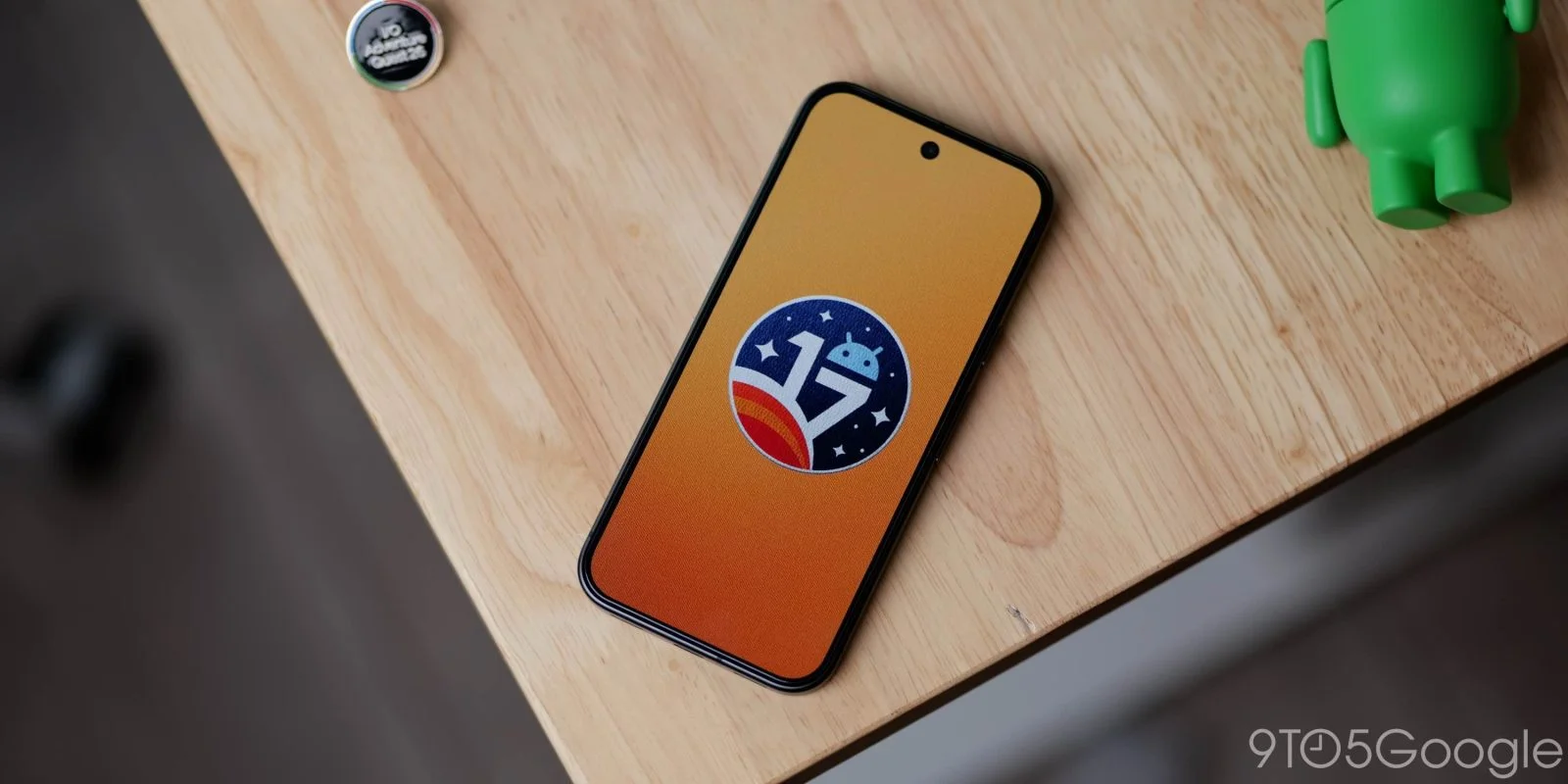
Google has begun rolling out the Android 17 QPR1 update today, featuring the September 2026 security patch, to a wide range of Pixel devices including the Pixel 6, 7, and 8 series as well as the Pixel Tablet and Fold.
This patch brings significant fixes across various components, impacting Apps, Bluetooth, Camera, Display & Graphics, Framework, System, Telephony, and User Interface.
The September patch resolves 115 security vulnerabilities per the Android Security Bulletin dated September 1, 2026, with an additional 85 addressed on September 5. Furthermore, a dedicated bulletin specific to Google devices highlights 110 more security enhancements.
For those looking to sideload, the OTA packages are now available as a global build: CP3A.260905.009.
Here's the device key to help interpret the changelog for the Android 17 September update:
*[1] Pixel 6, Pixel 6 Pro, Pixel 6a, Pixel 7, Pixel 7 Pro, Pixel 7a, Pixel 8, Pixel 8 Pro, Pixel 8a, Pixel Fold, Pixel Tablet, Pixel 9, Pixel 9 Pro, Pixel 9 Pro XL, Pixel 9 Pro Fold, Pixel 9a, Pixel 10, Pixel 10 Pro, Pixel 10 Pro XL, Pixel 10 Pro Fold, Pixel 10a
*[2] Pixel Tablet
*[3] Pixel 10, Pixel 10 Pro, Pixel 10 Pro XL, Pixel 10 Pro Fold, Pixel 10a
Notable Fixes Across Key Areas
Apps
- Resolved a crash issue occurring in the Google app under certain conditions.*[1]
- Fixed a bug causing certain gaming apps to crash upon launch.*[3]
Bluetooth
- Addressed an issue preventing the enablement of Wi-Fi or Bluetooth in specific scenarios.*[3]
Camera
- Fixed a stability problem that led to system crashes during camera use.*[2]
Display & Graphics
- Tackled issues related to game lag, choppy frame rates, and increased temperatures during intensive graphics tasks.*[1]
Framework
- Corrected a system crash occurring during app installations, uninstalls, or updates.*[3]
- Fixed a problem caused by Android System Intelligence that could make the device unresponsive.*[1]
- Addressed issues affecting the magnification shortcut and home screen widget disappearances after a restart.*[1]
System
- Resolved a bug that caused on-device intelligence features to fail when the forced dark mode was activated.*[1]
Telephony
- Fixed connectivity issues with mobile networks that could interrupt service under certain conditions.*[1]
User Interface
- Improved media player controls with surface animations.*[1]
- Fixed crashes related to connecting or disconnecting external displays and issues with taskbar folders stumbling in Overview mode.*[1]
- Resolved issues with notification displays, including partial cut-off and overlapping text.*[1]
- Enhanced performance for the Internet panel in the quick settings shade.*[1]
Security Fixes and Vulnerability Management
The September patch addresses a daunting number of security vulnerabilities—115 identified on September 1 alone, with an additional 85 on September 5, according to the Android Security Bulletin. Security patches have become increasingly vital as cyber threats evolve. Google’s proactive approach in rolling out comprehensive updates reflects this urgency. If you’re the type who thinks “what's the worst that could happen?” consider that similar systems typically face myriad attacks daily, and leaving vulnerabilities open can have dire consequences.
That’s not just a buzz phrase; security breaches can lead to data leaks, device theft, and a loss of user trust. Enhancing device security isn't merely about patching the latest flows; it’s about maintaining the integrity and functionality users expect from their devices. Moreover, the dedicated bulletin aimed specifically at Google devices indicates a granularity in addressing issues that can be particularly damaging, highlighting their commitment to consumer confidence.
Performance Improvements and User Experience
The patch doesn’t merely fix problems; it enhances the overall user experience across numerous components. A case in point is the updated Bluetooth functionality that now allows users to connect and enable Wi-Fi or Bluetooth without hiccups. There’s a notable emphasis on fixing app crashes in popular software like the Google app and certain gaming platforms. This attention to popular apps speaks to a larger trend: the necessity for OEMs (Original Equipment Manufacturers) to ensure compatibility with third-party applications or risk driving users to alternative devices.
Camera stability improvements are also a significant focus. After all, cameras are a key selling point for many modern smartphones, particularly in Google's Pixel range, which has routinely been praised for its photographic capabilities. Stability during use can mean the difference between capturing a perfect moment and a frustrating missed opportunity. It's interesting how some users might overlook software updates as merely procedural. But in a competitive space, even minor enhancements can skew user satisfaction.
Implications and Future Outlook
This update hints at Google's ongoing commitment to not just security but overall performance enhancements. As the smartphone market evolves, with new entrants increasingly offering formidable competition, these patches can subtly influence user retention. The promise of a secure and stable experience is critical for keeping consumers loyal to a brand.
Looking ahead, user expectations will likely rise. As newer models come equipped with advanced features and capabilities, older devices must also adapt. Google’s strategy seems to involve maintaining relevance not just through new hardware but via ongoing software support. With the shift in consumer sentiments toward longer-lasting devices, this approach of enhanced scrutiny on software performance can bolster brand loyalty.
What this means for you if you're working in this space is clear: software support has become a critical differentiator. As companies prioritize user experience alongside innovation, staying ahead of potential vulnerabilities becomes essential to cultivating trust in an ever-competitive industry.
Discussion
Sign in to join the discussion.