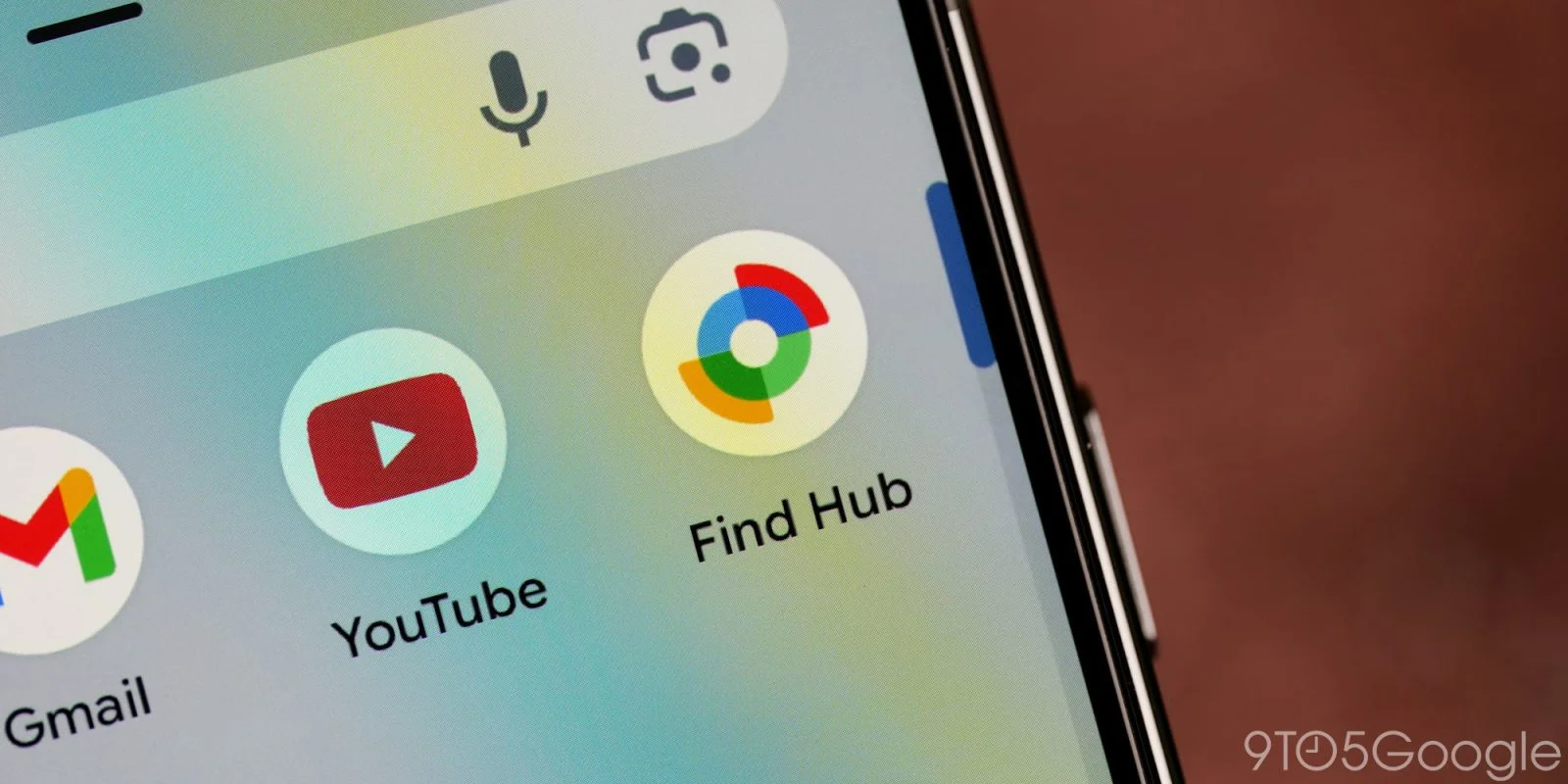
Google's Find Hub now features a ‘Remembered’ tab, enabling users to track everyday items with Gemini integration for effortless management.
Understanding the Find Hub Update
Google's latest update to its Find Hub app, featuring a new tab called “Remembered,” raises interesting questions about how technology integrates into daily life. Released shortly after the Android Drop update, this feature aims to help users manage their belongings more effectively. It’s not just another enhancement; it's part of a broader initiative to leverage AI in practical, everyday applications.
The introduction of the "Remembered" tab adds layer to the already existing functionalities within the Find Hub app. Users can now effortlessly keep track of items they might frequently misplace—like keys, passports, or even remote controls—by simply dictating their storage locations. This shift represents a growing trend toward making technological tools more intuitive and conversational. At a glance, it seems straightforward, but the implications for user behavior and AI interaction are quite significant.
How the "Remembered" Tab Works
This new feature enables interaction with Google’s Gemini, an AI service designed to enhance user experience. When a user wants to log an item, they can issue a command such as, “Remember that I put my passport in my top dresser drawer.” The convenience here is noteworthy. Instead of struggling to remember where you've stored something, you can just ask the app to do it for you.
A floating action button (or FAB) is included in the user interface for quick access to the “Ask Gemini” feature, ensuring that everything is just a tap away. This minimalist approach is user-friendly and minimizes friction. It reflects a design philosophy that's currently trending: efficiency over complexity.
When you input data for your items, you start with a simple naming and storage location process. But it doesn't end there. Users can enhance their entries with details like a photograph or specific location designations, such as 'home' or 'office'. They can even add notes to elaborate on the context of the item. This multi-layered input could be particularly useful for people who manage a high volume of personal belongings, like parents, students, or professionals constantly on the move.
This feature doesn’t just promise ease; it’s an intelligent solution tailored for modern-day challenges. With the ability to access this information hands-free, it places significant power in users' hands, streamlining their lives in ways we might only begin to appreciate. The efficiency of listing recorded items through Gemini is a noteworthy enhancement that speaks to the growing integration of voice-assisted technologies into daily living.
The Implications of Smart Technology
What's particularly telling about the "Remembered" feature is the increasing reliance on AI to aid in everyday tasks. As consumers look for functionality in their applications, Google’s move signifies an acknowledgment of this trend. Intelligent, easy-to-use features like this may eventually redefine how we interact with technology. It's not about replacing human memory; it's about augmenting it. Yet, there's a lingering skepticism about how effective these tools can be in truly reshaping our habits.
For many users, the expectation that technology can take over mundane tasks is alluring, but the reality is often less glamorous. Information consistency, data security, and user trust in these AI systems remain significant concerns. After all, can we truly rely on a digital assistant to remember where we placed our belongings? This app may successfully capture some user interest, but challenges around user trust and data accuracy will be pivotal in its adoption.
Looking Forward to Google’s Vision
As the rollout of version 3.1.732-02 progresses, it will be interesting to see how users respond. While the initial takeaway might be the immediate functionality offered, the broader implications could shape future updates and features in the Find Hub app. If someone misplaces a critical item, will they turn to this AI solution or re-embrace traditional memory strategies? The tech community will be observing these patterns closely.
This could be a step towards a more interconnected approach to our digital environments, where our devices collaboratively manage our physical lives. If you're working in this space, you'll know that understanding user behavior in response to these features will drive the improvement of similar technologies. Interest in tracking solutions like Find Hub can signal what's next for AI in daily life: not just remembering where things are but enriching our interaction with the environments around us.
And yet, with technology such as this becoming commonplace, it raises societal questions we can’t overlook. Are we, as a culture, becoming too dependent on technology to fill gaps in our personal capabilities? Perhaps. But there’s also the undeniable appeal of having a reliable partner assisting in everyday life.
Discussion
Sign in to join the discussion.