Motorola's latest Razr Fold is set to feature a bezel-less front display and aims to minimize the crease, taking on competitors like the Galaxy Fold.
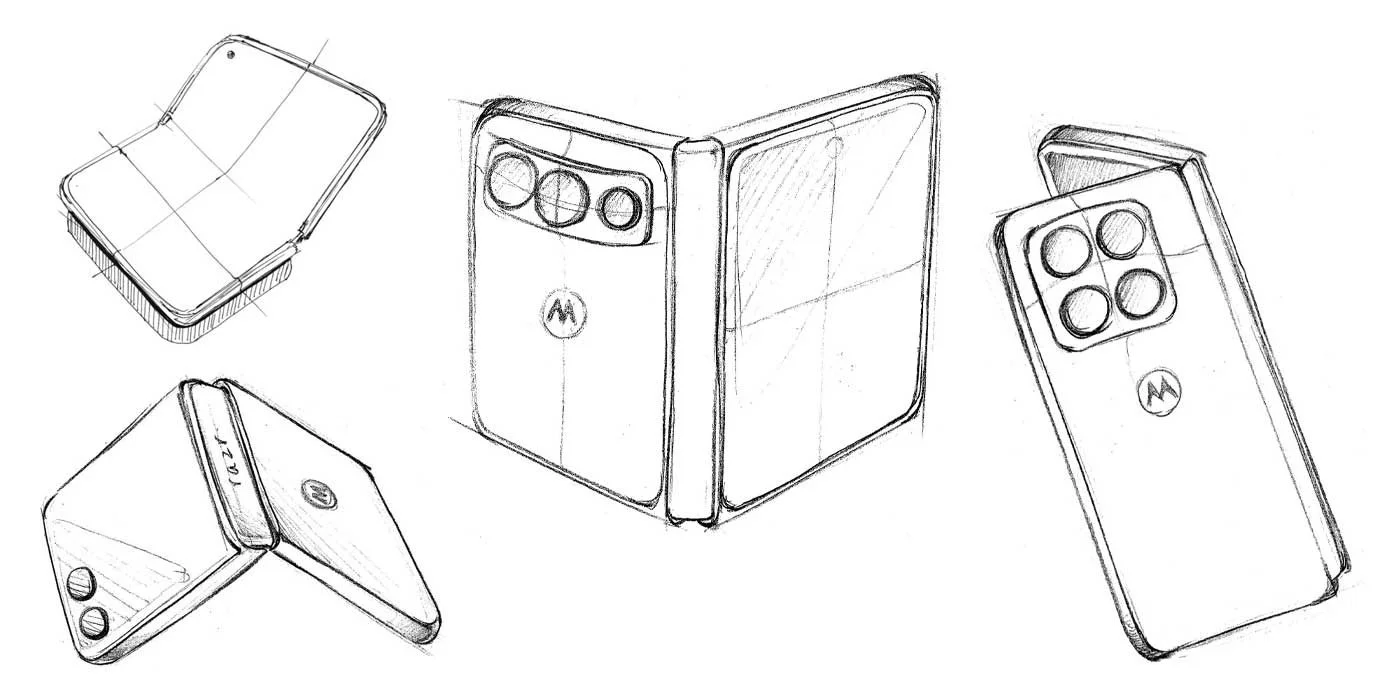
The pieces of the puzzle for the upcoming Motorola Wide Razr Fold are falling into place as recent listings from the World Power Consortium, along with leaked designs, suggest a new contender in the foldable smartphone market. This model is likely to challenge popular devices such as the Galaxy Fold 8 and iPhone Duo. In a market that's rapidly evolving with more manufacturers embracing foldable technologies, standing out is essential. Motorola's history with the Razr brand, originally a flip phone icon, gives it a unique foundation to build upon.
Design Philosophy Inspired by Competitors
Interestingly, Motorola appears to be adopting a design philosophy that resembles Apple's approach with its bezel-less front display. The emphasis on sharp left corners paired with rounded right edges could blend into a modern smartphone aesthetic. Importantly, this alludes to a familiarity that consumers might already recognize from premium devices like the iPhone Duo. By positioning the Razr Fold similarly, Motorola arguably integrates into a desirable visual category while setting itself apart from competitors like the Pixel 11 Pro Fold, which employs bezels for a softer corner look.
This design direction isn't merely about attracting the eye; it's about making a statement in a crowded market. Consumers are increasingly drawn to devices that prioritize not just function but form as well. A visually striking device can influence purchasing decisions even amidst competing specifications. The Razr has a legacy, and reimagining its aesthetic could reignite that nostalgia while appealing to a new generation.
Aiming for a Creaseless Display
Another notable aspect from the leaked images is Motorola's ambition to minimize the visible crease in the display. One of the mockup images boldly declares the goal of achieving a creaseless display. This is more significant than it looks. Users often express dissatisfaction with the creases surrounding foldable screens—they’re an unarguable flaw that detracts from an otherwise advanced technology. Samsung, with its Galaxy Z Fold 8, has pushed the boundaries of display quality, but the crease still remains a talking point. To eliminate it entirely would mark a significant technical achievement for Motorola, placing it ahead of not just the Galaxy series but a number of other contenders.
Nevertheless, achieving a completely creaseless display isn't simply a matter of flashy marketing. It will demand both innovation in materials and engineering precision. If Motorola can deliver on this promise, it could redefine user expectations, transforming foldable woes into triumphs—and isn't that what we want? A flawless screen could revolutionize user experience and open up new avenues for foldable applications.
Leaked Insights and Future Expectations
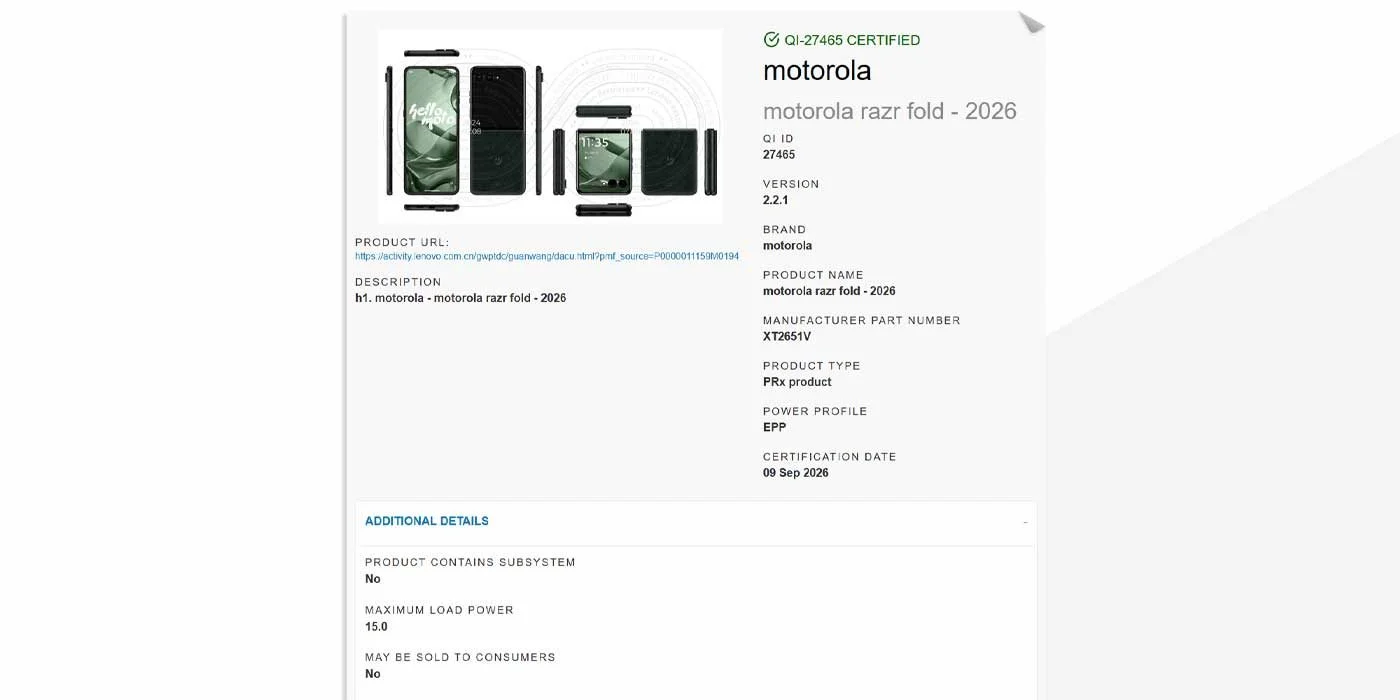
The leaked design elements hold weight, given that they bear the same watermark found in previous World Power Consortium listings of Motorola devices. A recent listing for a variant of the existing Razr Fold, particularly aimed at Verizon, hints at new features and improved specifications. The upgrade to comply with the Qi 2.2.1 standard signifies a shift towards better charging capabilities—something consumers have been vocal about. Moving away from previous versions lacking magnets illustrates Motorola’s responsiveness to user feedback.
However, while it’s premature to draw definitive conclusions about the Verizon variant of the Razr Fold solely based on these listings, the consistent watermark across models suggests that the leaked design materials could indeed be a genuine representation of what Motorola intends to unveil with this next generation of the Razr Fold. Speculation swirls in tech circles, but without hard evidence, it’s easy to get swept away in excitement. Evidence backed by consistent branding rattles skepticism, giving credence to what could be an impressive announcement.
As the competition heats up in the foldable smartphone arena, Motorola's focus on a tighter and more aesthetically pleasing design could provide an edge. However, it all boils down to execution. If the design ambitions translate into a usable and aesthetically satisfying product experience, then Motorola might just reclaim its spot in the foldable phone conversation.
Implications and Future Outlook
The developments surrounding the Wide Razr Fold highlight a critical turning point in the foldable smartphone segment. If Motorola successfully enters this competitive field with an emphasis on aesthetics and technical proficiency, it could elevate consumer expectations across the board. Major tech players will have to respond with even more compelling options, keeping innovation alive.
There's a lot at stake here. The foldable category isn't just a niche anymore; it's emerging as a vital marketplace that major brands want a slice of. If you're working in this space, you’ll know that something as fundamental as display quality can influence entire product lines. Motorola's push for a creaseless display might spark a trend, prompting others to abandon outdated designs or features. And this is the part most people overlook: every breakthrough leads to ripples throughout the industry.
It's clear that Motorola has ambitious plans—it just needs to execute them effectively. As this highly anticipated release approaches, all eyes will be fixated on how well these designs translate into real-world devices. For consumers, there’s hope that they might soon see a foldable phone that not only looks premium but also performs reliably. That’s a prospect worth watching.
Discussion
Sign in to join the discussion.