Google's Tensor chips have improved, yet still lag behind competitors. The company needs a significant leap in performance akin to AMD's Ryzen breakthrough.
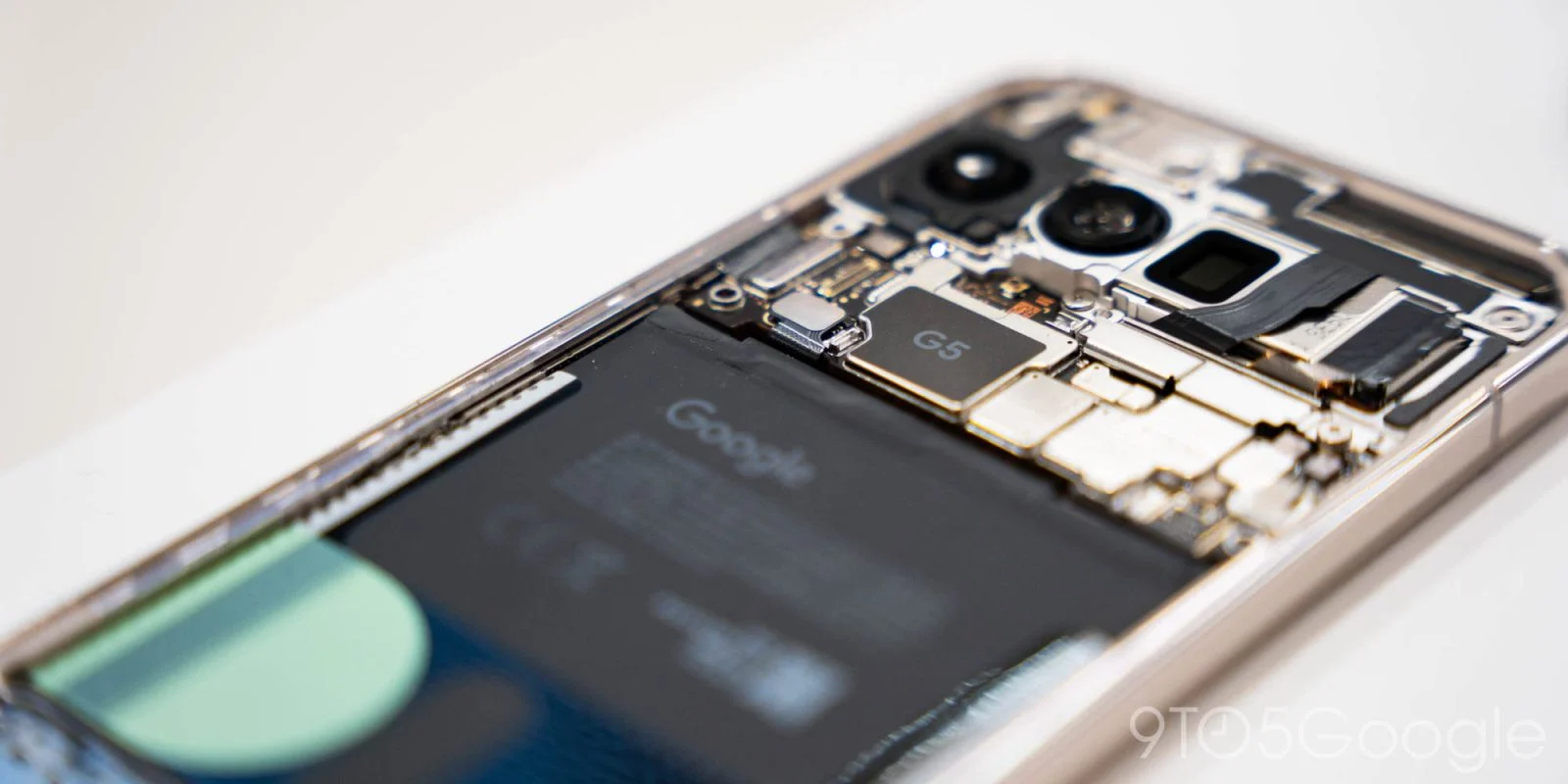
The Case for a Performance Overhaul
Are Google’s Tensor chips merely “fine,” or are they facing deeper issues? As Google continues to navigate the smartphone market, the performance of their custom processors has been a persistent topic of discussion. The consensus seems clear: what’s needed is a significant leap forward, akin to AMD’s Ryzen moment.
Learning from History: The AMD Example
For context, let’s take a step back to AMD's struggle in the desktop CPU market. For years, they lagged behind Intel, primarily due to the poorly received Bulldozer architecture. While Intel solidified its dominance, innovation stalled as a result of the lack of competition. When AMD shifted to their Zen architecture, they not only enhanced performance but transformed their entire product line, ultimately shaking up the industry.
Google's Pixel: Between Excitement and Frustration
Similarly, Google's Pixel series has garnered attention for its exceptional software and camera capabilities, yet the Tensor chip often becomes the focal point of disappointment. Despite being praised for its software optimizations and unique features, users and experts alike have pointed out that the Tensor architecture echoes the missteps seen during AMD’s Bulldozer era. Incremental updates are insufficient; what’s needed is a fundamental rethinking of the chip’s architecture to unlock the full potential of the Pixel line.
The Technology Behind Tensor
The Tensor processors have attempted to prioritize AI capabilities over hardware efficiency, yet many benchmarks suggest that off-the-shelf Qualcomm alternatives often provide better performance. While early performance issues are partly attributable to Samsung’s manufacturing challenges with the Exynos chips, Google's subsequent transition to TSMC has not yielded the expected gains. Instead, users are left with a slight improvement but still facing a noticeable performance gap compared to competitors who are consistently pushing the envelope.
The Importance of Competitive Edge
Moving forward, Google risks isolating itself in a competitive landscape, especially as smartphones increasingly serve as powerful personal computing devices. While the current performance of Tensor chips may suffice for basic tasks, more intensive applications—like video recording or multitasking—expose limitations that could undermine long-term user satisfaction. In a market that values longevity and performance, it’s essential that Tensor does not merely hold the line but evolves with user expectations and technological advancements.
Concerns Over Longevity and Updates
Another pressing concern lies in Google’s promise of seven years of OS updates. A chip that struggles today will likely become increasingly inadequate as software demands grow in the coming years. Given the rising prices of flagship devices, users may keep their phones longer, amplifying the need for future-proof performance. If Google is to deliver on its promises, the hardware must align with these ambitious software commitments.
A Look at the Bigger Picture
Moreover, Google’s aspirations for a holistic ecosystem—where Android-based devices can seamlessly transition between mobile and desktop formats—demand more than just satisfactory performance. The ambition behind an Android-ready productivity system necessitates a chipset that can hold its own against traditional computing architectures. Google has laid the groundwork, but without a commensurate leap in silicon capabilities, this vision may remain out of reach.
Setting a Benchmark for Future Generations
Looking ahead, if Google can replicate a transformative moment like AMD’s Ryzen, the potential exists for a compelling narrative around their Pixel product line, emphasizing both software and hardware excellence. However, this journey will require significant investment in R&D and a willingness to challenge existing paradigms, moving beyond “fine” and aiming for performance that genuinely challenges industry leaders.
Conclusion: A Call to Action
The transition to TSMC manufacturing has laid a foundation for future developments but it will take time and sustained investment to turn incremental changes into significant breakthroughs. With their latest offerings, Google has shown promise, but it’s time to take bold steps towards achieving true performance parity. As consumers increasingly demand powerful, versatile devices, Google’s path is clear: elevate Tensor from an adequate component to a defining feature of the Pixel ecosystem. Let’s hope the next generation delivers not just improvements but a meaningful shift that aligns with user aspirations.
Discussion
Sign in to join the discussion.