K8sGPT aids Kubernetes troubleshooting by providing insights while ensuring human oversight, balancing efficiency with operational safety.
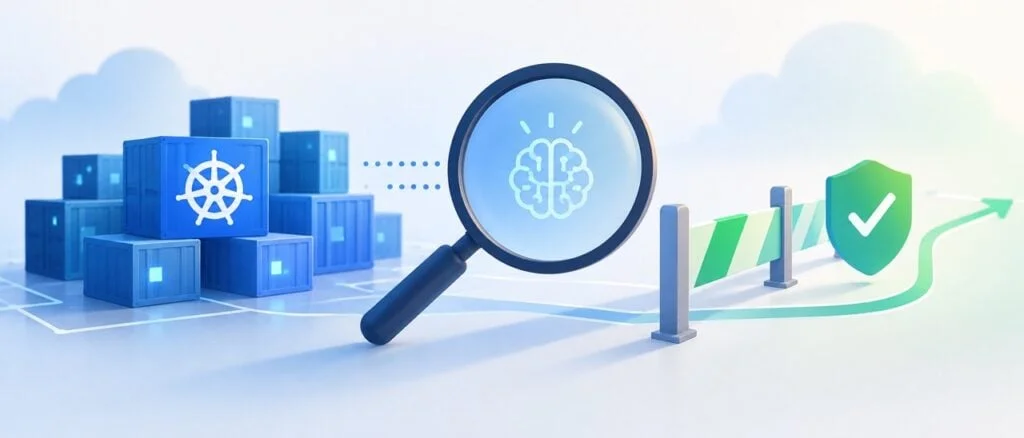
K8sGPT offers a structured approach for platform teams leveraging AI for Kubernetes troubleshooting, emphasizing the importance of human control.
There’s palpable excitement when AI tools gain access to real cluster data, yet that enthusiasm is tempered by some inevitable apprehension.
Kubernetes troubleshooting is an ideal use case for AI assistance. Developers often face issues like pods stuck in Pending state, image pull failures, or services lacking endpoints. Typically, resolutions involve digging into events, labels, resource requests, and logs. A tool that streamlines these diagnostics can be a substantial time-saver.
However, once in a production environment, Kubernetes is no playground. The potential for an assistant that not only diagnoses but also executes commands like restarting workloads or altering resource requests poses significant risks. This is where maintaining a careful dialogue about capabilities becomes essential.
K8sGPT serves as an intriguing focal point in this conversation. Recognized by the Cloud Native Computing Foundation (CNCF) as a Sandbox project, its core functionality is to scan Kubernetes clusters, analyze data, and assist in diagnosing typical problems. What sets K8sGPT apart is its use of AI to transform technical findings into accessible language, integrating AI into operational workflows.
Instead of debating whether an AI assistant can facilitate troubleshooting—most likely, it can—the pivotal question is about its boundaries.
My recommended framework follows a digestible sequence:
Read → Explain → Recommend → Human Approval → Execute
The first step is reading. Allow the tool to examine the state of Kubernetes: pods, deployments, services, events, node capacities, and resource requests. Here, K8sGPT provides immediate insights, surfacing critical information that can aid human operators rapidly and effectively. This phase should strictly maintain the cluster’s state—no changes permitted.
The next phase involves explanation. While raw Kubernetes events carry valuable information, they can be cryptic. For instance, a developer may struggle with a scheduling message or an image pull error that sprawls across several event lines. An AI-generated clarification can distill these complexities into a lucid summary. For example, instead of leaving a developer to decipher an error, the assistant might succinctly communicate that the workload’s pending status arises from a GPU resource that isn’t available on any node.
This highlights the significance of data sensitivity. When K8sGPT operates in explanation mode, it communicates with an AI backend, sending over insights such as namespace names, pod identifiers, and event messages—information that can disclose architectural details. Platform teams must determine the acceptable backend options, consider anonymization strategies, and assess when local versus remote models are preferable. Therefore, while AI-assisted troubleshooting enhances efficiency, it also necessitates careful data governance.
Following explanation, the assistant can provide targeted recommendations, guiding operators without commandeering control. Suggestions might include examining service selectors, quotas, node labels, or tolerations. Good recommendations narrow down potential issues without altering the cluster configuration, ensuring they remain valuable yet non-intrusive.
The concept of the Model Context Protocol (MCP) underpins this boundary delineation. K8sGPT’s MCP capability delineates specific tools that the AI assistant can interact with, avoiding broad access that might facilitate mistaken actions. Rather than granting extensive shell access, the assistant operates within a well-defined toolkit—its capabilities becoming an integral part of the platform’s operational framework.
For most teams, this framework should commence with a read-only capacity: analyzing cluster health, querying resources, and reviewing events without making changes. As operators gain trust in these workflows, the decision to grant more capabilities can be revisited.
Remediation should be the final element introduced. While automated fixes seem appealing, especially for recurring failures, changes in Kubernetes present a multitude of potential impacts. Actions like restarting workloads or changing configurations require heightened oversight compared to passive reads. Prioritizing stronger controls—scoped permissions, policy compliance, audit logs, and rollback plans—is necessary before enabling AI-driven execution. In many situations, proposing a GitOps pull request represents a safer alternative than immediately altering the cluster.
A sensible path to maturity might resemble the following: start with read-only diagnostics, layer in explanations, proceed to recommendations, and finally permit the assistant to suggest a GitOps pull request. Only after these stages should teams entertain the potential for actionable steps. Completely automated responses should remain confined to scenarios with well-established policies and rollback procedures.
This stance doesn’t argue against automation. It emphasizes the need for vigorous platform engineering. The objective is to empower AI assistants to function in alignment with these established guardrails instead of circumventing them.
Looking ahead, K8sGPT and MCP signal a promising direction for internal developer platforms. Developers receive clearer insights for troubleshooting, SREs obtain quicker access to common failure patterns, and platform teams maintain tight control over permissions, data, and authorized actions.
As the complexity of AI workloads, GPU utilization, and multi-tenant Kubernetes environments increases, troubleshooting will inherently become more challenging. AI can certainly aid teams in navigating that complexity more swiftly; nonetheless, it’s advisable to adopt solutions incrementally.
Therefore, the progression remains clear: allow the assistant to read first, explain its findings, suggest next steps, and then involve a human before any significant actions are executed.
Discussion
Sign in to join the discussion.