GrapheneOS will support Motorola Razr Fold and Ultra models next year, alongside upcoming Pixel 11 series devices, enhancing privacy-focused user experience.
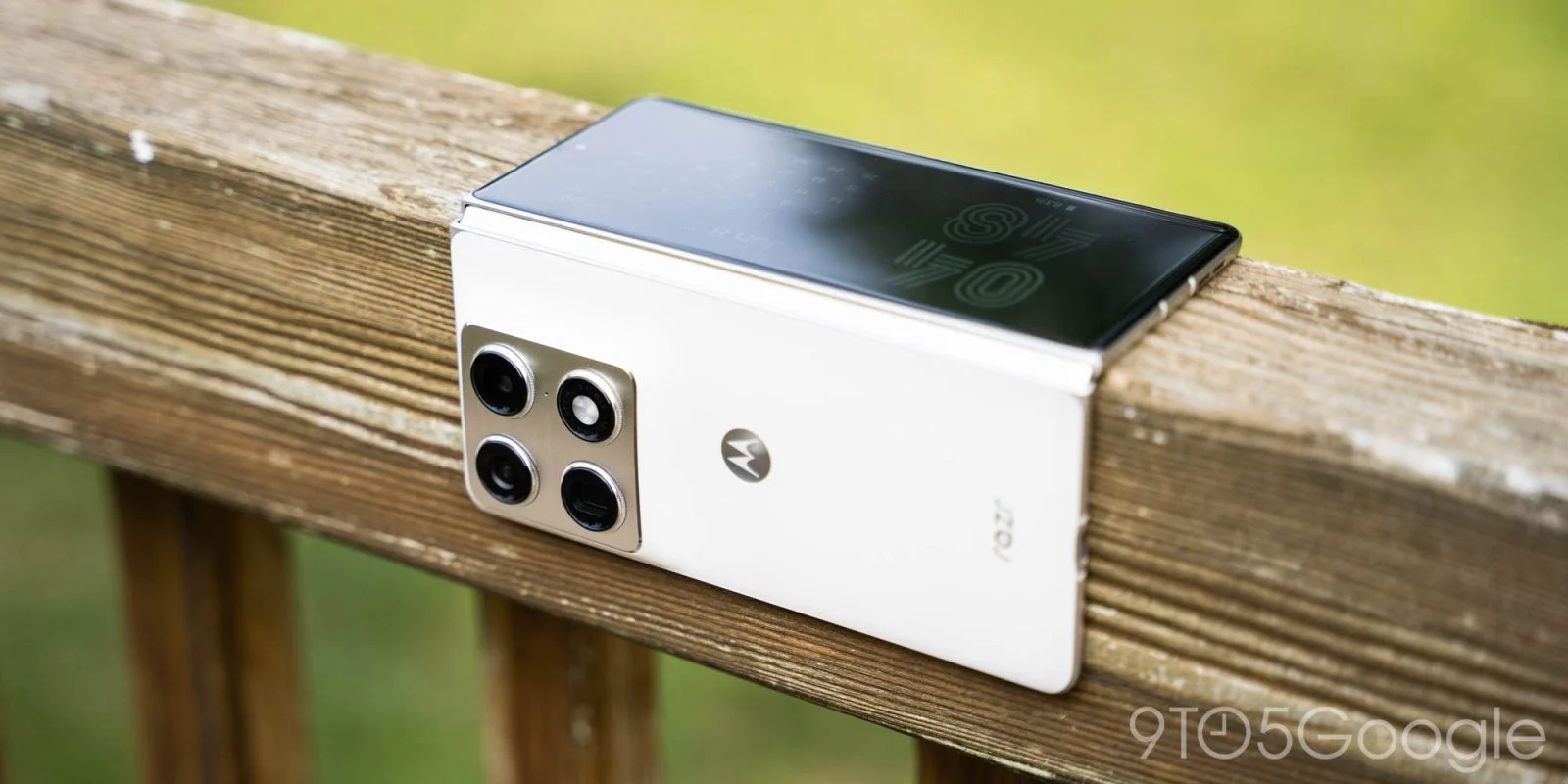
GrapheneOS is gearing up to roll out its privacy-centric Android version on Motorola's devices next year, including anticipated support for the Razr Fold and Razr Ultra. This marks a significant move, as these will be the first foldable smartphones to support GrapheneOS.
The Significance of GrapheneOS's Expansion
This development is more significant than it looks on the surface. GrapheneOS, known for its strong focus on privacy, represents a shift toward more secure mobile operating systems. In an era where privacy concerns are rising, many users are looking for alternatives to traditional Android systems, which have been criticized for their data collection practices. By extending support to Motorola's foldable smartphones, GrapheneOS is not just broadening its market reach; it’s also signaling to users that they can have both advanced technology and enhanced security.
Motorola's Razr line is notable for blending modern technology with a nostalgic design, making its foldable devices popular among consumers who prefer compact phones. By supporting these devices, GrapheneOS is positioning itself in a niche market where privacy-conscious consumers seek stylish yet efficient smartphones. This could lead to a more extensive user base that values secure technology alongside innovative design.
Initial Focus on Non-Foldable Devices
In a recent announcement via a Mastodon thread, GrapheneOS confirmed its initial focus will be on a conventional non-foldable smartphone. However, there are concrete plans to extend support to future versions of Motorola's flip models. This approach isn’t entirely surprising; many companies typically test new software on more conventional devices before rolling it out to more complex hardware configurations.
The upcoming Razr devices aim to cater to users looking for compact phones that can be easily operated with one hand. This trend has grown as smartphone users demand more from their devices, often favoring usability and portability. GrapheneOS's adaptation to the newer Pixel 11 series further indicates a willingness to embrace cutting-edge tech while also ensuring a secure experience. It suggests that they’re not just entering the foldable market for the novelty; they’re committed to delivering trustworthy software on a diverse range of devices.
Compatibility Challenges and Solutions
GrapheneOS stated explicitly: "We do plan to support Motorola’s Razr Fold and Razr Ultra (flip) devices in addition to a regular device." They also mentioned ongoing support for existing Pixel devices, including the original Pixel Fold.
The technical specifications required for compatibility with GrapheneOS add layers of complexity. The Razr Fold and Razr Ultra models are nearly ready for GrapheneOS compatibility, pending the inclusion of specific features like memory tagging (MTE) and secure element integration. These elements are essential for ensuring enhanced security, a hallmark of GrapheneOS. For many industry players, this level of detail underscores the importance of hardware-software synergy in securing user data.
Motorola's upcoming releases will be integral in addressing these concerns. With the expected upgrades utilizing Qualcomm Snapdragon processors, there’s potential for enhanced MTE support, which is pivotal for a privacy-centric operating system. Here’s the thing: the successful integration of GrapheneOS with these advanced features will not only benefit Motorola but may also influence other manufacturers to elevate their security measures, thus pushing the entire industry forward.
A Commitment to Updates and Security
Further, it's noteworthy that Motorola devices compatible with GrapheneOS will be guaranteed seven years of operating system updates. This commitment to longevity is rare in the smartphone market, where many manufacturers struggle to keep up with providing timely security patches. It reflects a significant cultural shift among some tech companies, where prioritizing user security over planned obsolescence is becoming more mainstream.
Nonetheless, many consumers are rightfully cautious. Several brands, including Motorola, have faced criticism over their track records on update consistency. While the promise of seven years sounds appealing, the reality often disappoints. Past experiences underscore the necessity for consumers to remain vigilant and demand accountability. Motorola’s commitment to managing much of the development work alongside GrapheneOS is a positive step, yet only time will reveal if they are truly raising the bar for security and support.
Future Implications
What this means for you, particularly if you're working in this space, is a potential shift in consumer expectations. As privacy concerns escalate, more users may seek out secure operating systems, prompting manufacturers to rethink their strategies. The cooperation between GrapheneOS and Motorola isn't just about enhancing a product; it could spark a larger movement toward privacy as a selling point in smartphones.
This development may lead to competitive pressures in the smartphone market, pushing others to follow suit. As traditional manufacturers grapple with privacy implications of their devices, the rise of dedicated privacy-centered alternatives like GrapheneOS could reshape how we think about and build mobile operating systems. It's a wake-up call in a sector often dominated by convenience over security.
Discussion
Sign in to join the discussion.