The Moto Tag 2's ongoing $20 pricing offers advantages over its competitors, with updated Amazon stock options now available.
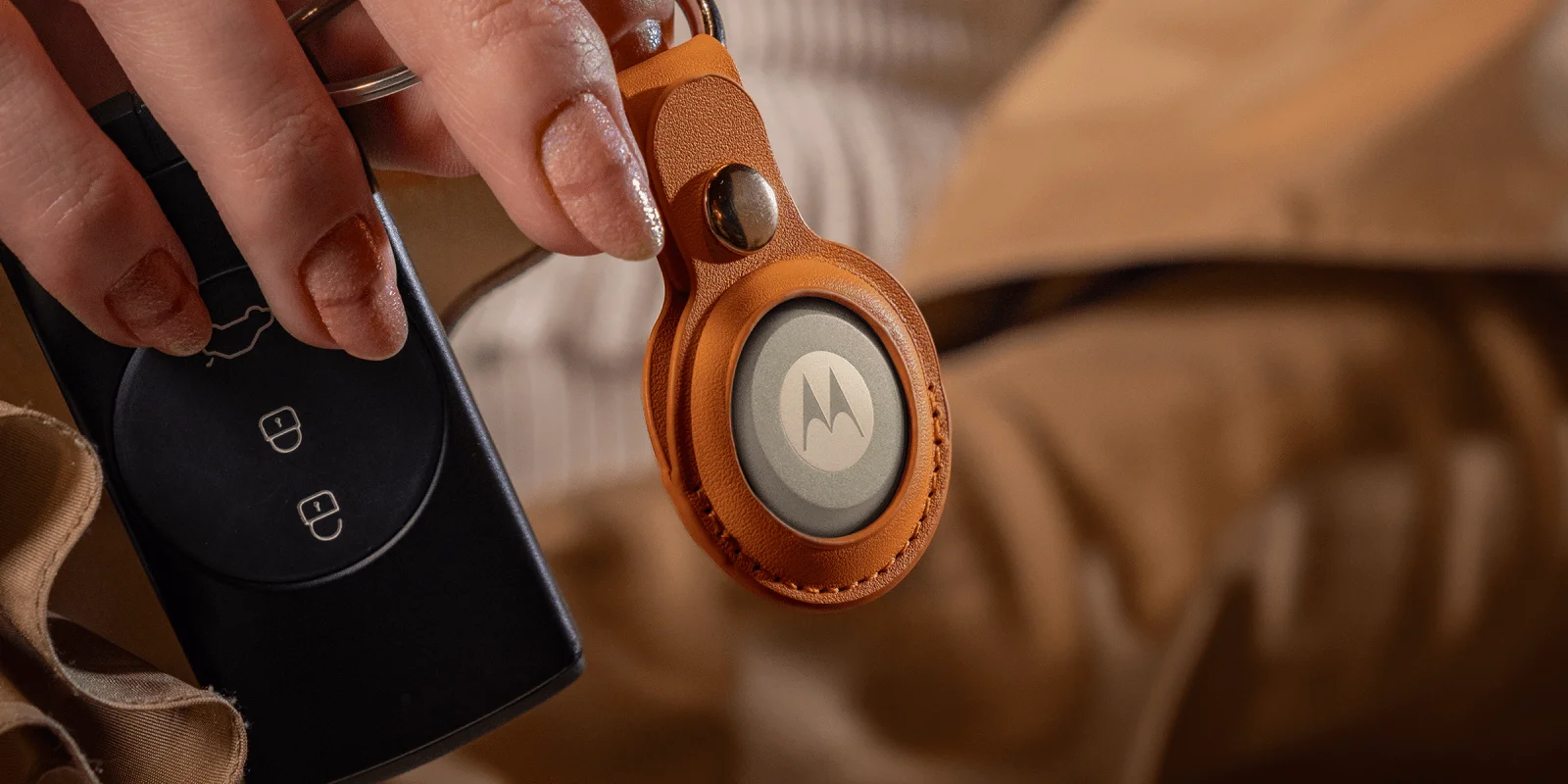
The Moto Tag 2 stands out among Android Find Hub trackers, primarily due to its Ultra-Wideband (UWB) capabilities, a feature that's soon expected to be available on the upcoming Pixel Tag. Currently priced at just $20, this tracker represents a compelling option for users seeking efficient item tracking without breaking the bank.
Price Changes and Their Implications
Update 8/24: The attractive $20 offer for a single Moto Tag 2 has disappeared from Amazon, replaced by a 4-pack priced at $80. Although the total cost remains the same, it requires a higher initial investment. On the other hand, Motorola's website continues to list the 4-pack for $100, presenting a marketing maneuver worth noting.
Price fluctuations in the technology market often reflect deeper trends, especially in consumer electronics. There's an evident strategy at play when companies like Motorola adjust prices. By offering initial promotional discounts, they create buzz and compel early adopters to jump in. However, the disappearance of the single unit option has raised eyebrows. For users who may only need one tag, getting a four-pack can feel like an unnecessary leap in investment. After all, most consumers aren't looking to track multiple items at once. This could lead to a higher barrier to entry for those not fully sold on the concept of item tracking.
Originally launched in the U.S. months after its international debut, the Moto Tag 2's price was lowered from its typical $30 as a launch promotion. However, this limited-time offer has persisted, allowing users to snag it for $19.99 on Motorola's website and now via Amazon as well. With Amazon previously adjusting its stock to $30, the current pricing grabs attention, although users might experience delayed delivery, estimated for early or mid-September.
- Moto Tag 2 at Motorola.com
- Moto Tag 2 at Amazon.com (Update: now a 4-pack)
The 4-pack remains priced at $100 through both platforms.
Further Insights on Find Hub
In a crowded field of item tracking solutions, including Apple's AirTag and Tile's offerings, the Moto Tag 2 has some unique features that could sway potential buyers. Its UWB capabilities promise greater precision and faster data transfer than typical Bluetooth trackers, a crucial advantage in scenarios where misplacing items is frequent. In terms of practicality, UWB also enables features like directional tracking, allowing users to find their items more intuitively.
- Google’s Pixel Tag embraces a daring strategy amidst AirTag alternatives [Gallery]
- Android's Find Hub app now allows users to discard old Bluetooth headphones & earbuds
- Find Hub for Wear OS introduces a basic ‘Find people’ app
Market Positioning and Future Outlook
What this means for you as a potential buyer is that the Moto Tag 2 isn't just about price; it's also about functionalities that can enhance your experience. The interest in UWB is growing as more devices incorporate this technology, which suggests that Motorola has positioned itself strategically to not only capture current demand but also address future needs. This isn’t a mere accessory; it’s becoming an integral component of a larger network of connected devices.
If you're working in this space, you'll want to be particularly sensitive to how consumer preferences are shifting. People are not just looking for item trackers; they want items that integrate neatly into their larger tech ecosystems. Companies that fail to adapt might find themselves struggling to keep up. For instance, you can expect increased competition from Google's forthcoming Pixel Tag, which promises similar UWB capabilities.
And yet, the dynamics of consumer electronics remain complex. Although the Moto Tag 2 is enticing, challenges persist, particularly concerning usability and overall consumer awareness. Many individuals still don't understand the functional advantages of UWB over traditional Bluetooth technology. Communication gaps can hinder sales, making effective marketing as essential as the technology itself.
(and this is the part most people overlook) If Motorola can effectively educate potential buyers about UWB benefits while maintaining a competitive price, they could gain considerable market traction, especially with a user base that’s increasingly tech-savvy. On the other hand, hesitation from users unfamiliar with how UWB improves tracking could limit its immediate impact.
Ultimately, the Moto Tag 2's pricing and innovative features keep it relevant in a competitive market, but the onus is on Motorola to capitalize on this momentum before the competition catches up. In the highly volatile consumer tech space, the stakes are high. Just a slight misstep in marketing strategy could result in lost opportunities.
Discussion
Sign in to join the discussion.