Pixel 11 Pro Flashlight Fails to Shine: A Practical Review of Performance Issues
Aug 24, 2026 · 809 views
The Pixel 11 Pro's flashlight functionality falls short compared to predecessors and rivals, offering inadequate illumination for everyday tasks.
Flashlight Functionality: A Step Backward for Pixel 11 Pro
When it comes to smartphones, you'd expect basic features like flashlight functionality to remain reliable, yet the Pixel 11 Pro seems to falter in this area. The "HiLight" feature, which is intended to elevate the user experience, inadvertently diminishes the fundamental utility of the rear LED, historically serving as both a camera flash and a makeshift flashlight.
Most smartphones have a rear LED designed primarily as a camera flash, but it often doubles as a decent flashlight. While it may never match the brightness of a dedicated flashlight, it typically provides adequate light for navigating through dark spaces. Unfortunately, that’s not the case with the Pixel 11 Pro series.
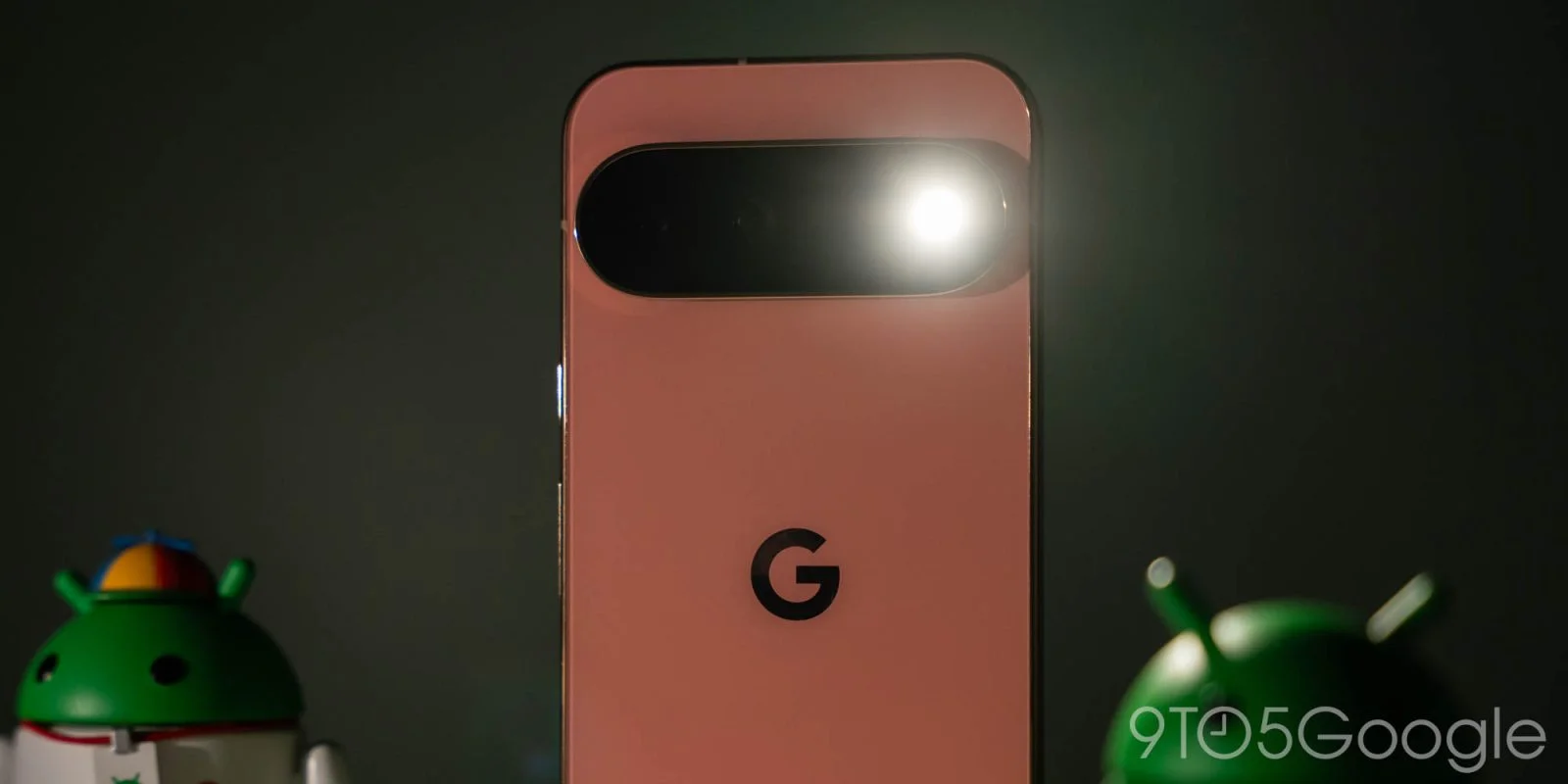
In recent reviews, it became evident that the Pixel 11 Pro's flashlight is noticeably weaker than its predecessors and many competing devices. Personal experiences during late-night home repairs underscored this deficiency; even a short distance away from the device, illumination quickly dwindled, rendering it ineffective. Will Sattelberg, another reviewer, describes it as “unusable,” reflecting a collective frustration that this flagship phone has compromised on such a basic function. Damien Wilde touched on a possible culprit—the diffuser used for "HiLight”—which, while beneficial for photography, compromises functionality when you need consistent lighting for practical tasks.
Inadequate in Direct Comparisons
Comparative analysis further highlights the Pixel 11 Pro's shortcomings. Side-by-side tests showed a stark contrast between its flashlight and those on earlier models like the Pixel 10 Pro XL, as well as competitors like the iPhone 15 Pro and Samsung's Galaxy Z Fold 7. Users could clearly see that the new model produced significantly less light, failing to illuminate adequately even at closer distances.
Visual comparisons, as shown in the accompanying images, reveal that the Pixel 11 Pro lacks the brightness needed for effective nighttime use. In practical scenarios, such as a dark room or an outdoor path, the lighting from the Pixel 11 Pro simply doesn’t hold up against its contemporaries. Images captured illustrate a marked difference—not only is it less bright, but it seems to dim rapidly with distance, which you can review in the detailed tests we conducted.
Encouragingly, while the flashlight performance has taken a hit, the actual camera flash functionality remains mostly comparable between generations, with some subtle differences in warmth and harshness. However, the persistent issue of subpar everyday usability throws a shadow on what should otherwise be a hallmark of innovation in smartphone technology.
It's puzzling why Google would degrade a feature widely used by consumers in favor of something that only enhances a narrow niche of photography. As one user aptly put it, “Classic Google. Degrade something that's widely used to add a feature that only works in one of the most niche situations of all time.” This hit to the practicality of the Pixel 11 Pro calls into question the design priorities of the latest iteration.**Closing Thoughts on Google’s Missed Marks**
The recent discussions around the Pixel 11 Pro highlight a significant gap in Google’s ability to compete in the increasingly nuanced smartphone market. While technical specifications often overshadow features that may seem trivial at first glance—like the flashlight functionality—these details can greatly affect user satisfaction. In Apple’s iPhone, for instance, the enhancements brought forth by the "HiLight" feature subtly underscore how even minor upgrades can impact the user experience. It’s not just about flashy hardware; it’s the small, often overlooked aspects that can turn a casual user into a loyal fan.
What this all points to is a larger issue with Google’s attention to detail in user experience. When a customer switches from an iPhone to a Pixel phone, the differences often become painfully evident in everyday tasks. It's that user experience curve that can either convert potential customers or push them away. Google needs to realize that these small discrepancies, like the aforementioned flashlight feature, can create ripples of dissatisfaction that far exceed the impact of major changes.
Is Google lagging behind? Yes, it certainly appears so. The focus on eye-catching specs at the expense of mundane but critical functions may lead to losing touch with what users truly value. If you're invested in tech or working within this space, it’s a moment worth reflecting on. The industry moves fast, and relevancy often hinges on understanding the user experience deeply.
Keep an eye on how these shifts evolve. The implications for both tech giants and emerging competitors could be profound, affecting everything from product design to marketing strategies. As the landscape shifts, detail-focused innovation might just be the leverage needed for larger shifts in market dominance.
Need to catch up on more Pixel 11 insights? Check out these articles:
- [Pixel Camera adds ‘Launch control’ and new ‘Quick access’ slider controls on Pixel 11](https://9to5google.com/2026/08/21/google-pixel-camera-11-update-launch-mode-quick-access/)
- [Google Pixel screen savers add new styles and iPhone-like switching](https://9to5google.com/2026/08/20/google-pixel-screen-savers-updates-pixel-11/)
- [Pixel 11 Pro’s ‘HiLight’ is another half-baked feature burdened by bad first impressions](https://9to5google.com/2026/08/16/google-pixel-11-hilight/)
For the latest updates, follow me on [Twitter](https://twitter.com/NexusBen), [Threads](https://www.threads.net/@nexusben), [Bluesky](https://bsky.app/profile/nexusben.com), and [Instagram](https://www.instagram.com/nexusben).
Discussion
Sign in to join the discussion.