Evolving Design and Performance: Pixel 11 vs. Pixel 10 Comparison
Aug 24, 2026 · 739 views
The Pixel 11 introduces minimal hardware and software changes compared to the Pixel 10, with subtle enhancements failing to justify its flagship price.
Significant Iterations: Pixel 10 to Pixel 11
For many years, new tech releases promised transformative changes. However, the shift from Pixel 10 to Pixel 11 illustrates a more subdued, pragmatic evolution. If you're expecting groundbreaking innovations, you're likely to be disappointed.
Hardware Changes: A Minimal Approach
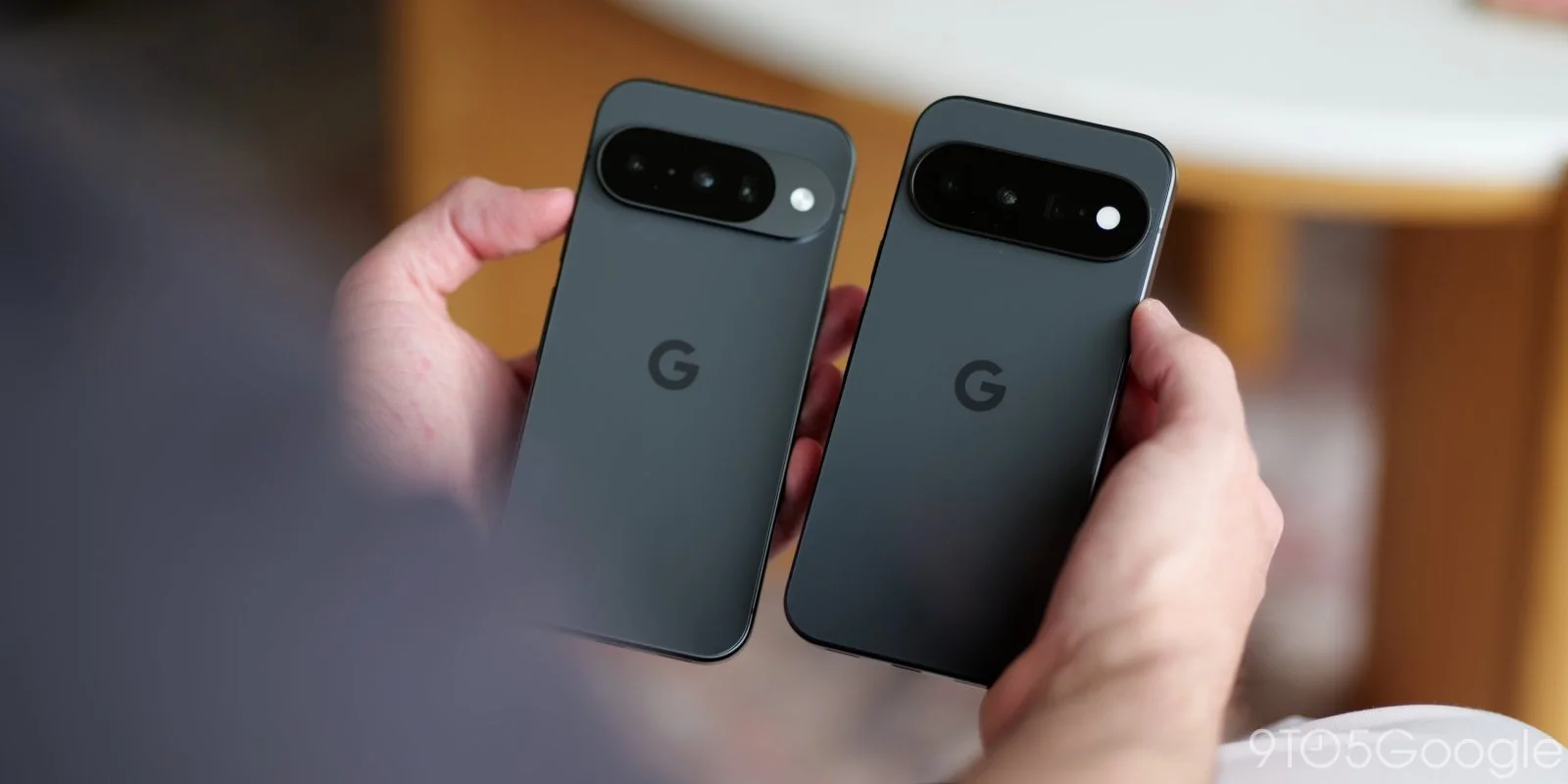
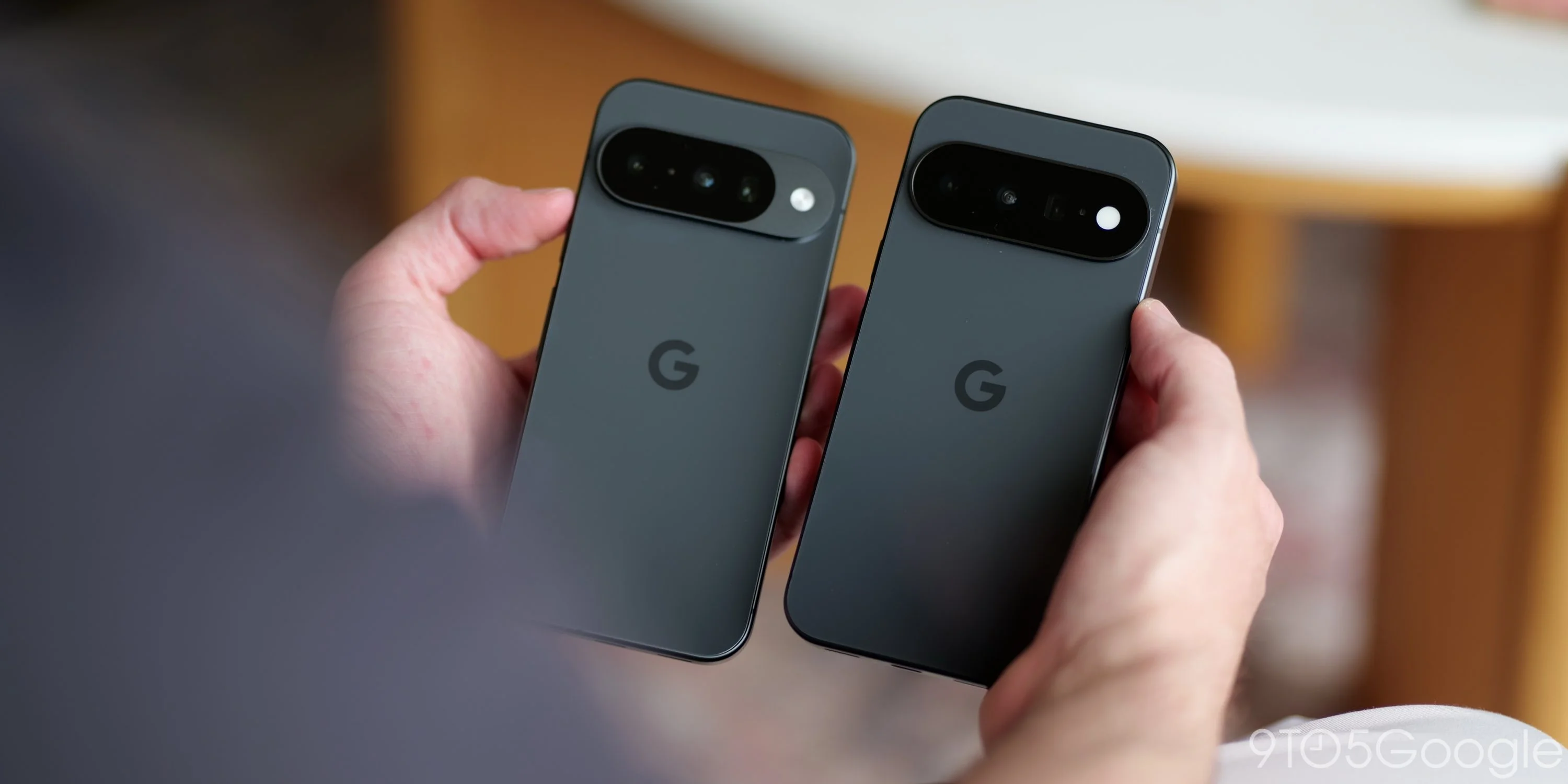
The aesthetic differences between the Pixel 10 and Pixel 11 are negligible. Placed side by side—especially in the Obsidian variant—you'd be hard-pressed to notice any distinctions. The dimensions remain virtually unchanged, and even the color palette sticks closely to familiar tones. In fact, calling it a simple copy-and-paste job isn’t overreaching.
While the display maintains a peak brightness of 3000 nits, it still suffers from the unchanged bezels, which can be a usability frustration. The reliability of the fingerprint scanner remains, offering a fast and fluid experience. Interestingly, contrary to pre-launch rumors, Face Unlock hasn’t received any updates.
However, there are some modifications on the back of the smartphone. The camera bar has undergone redesign; while the structure appears bulkier, it actually sits closer to the backplate, making the phone less wobbly when laid face-up. Many users overlook such subtle design tweaks, but those seeking a sleek device may appreciate the change. Furthermore, the LED flash has been integrated into the glass, allowing for improved light diffusion, thus promising softer illumination.
Despite these targeted changes, the Pixel 11 is 6 grams lighter than its predecessor, tipping the scales at 197 grams. While this might seem insignificant at first, every ounce can count for users who keep their phones on them throughout the day.
Software: A Familiar Experience
When it comes to software, the updates are barely noticeable. Both devices run on Android 17, with only minor enhancements that most users may overlook. Gemini Intelligence was initially touted to be a significant feature for more devices, yet it appears to be largely exclusive to the newest phones, leaving potential users disappointed.
Material 3 Expressive pops up in a slightly more pronounced manner, along with newly designed app icons. A notable enhancement is Rambler, a revamped voice-to-text feature integrated into Gboard. Users can expect better performance, but overall, the software experience is what to expect.
Storage speeds have improved in the base Pixel 11, resulting in faster app launches compared to prior models, although it’s not a night-and-day difference. Game performance is acceptable, but the device doesn’t soar to the top-tier metrics, which could raise eyebrows for those scrutinizing price tags.
Despite flagship pricing in various markets, neither model seems to justify the high cost when performance isn’t in the league of competitors.
Battery: Little to Differentiate
Both the Pixel 10 and Pixel 11 demonstrate similar battery performance. They utilize almost identical capacities, and the differences in charging speed are negligible at best. The touted “fast charging” feature still falls short, as it takes over an hour for either device to reach full charge.
While neither phone can be labeled as having poor battery life, they won’t wow you with impressive longevity either. They simply meet the standard expectations for modern smartphones.
Camera Upgrades: Incremental Improvements
In response to criticisms of the Pixel 10’s camera system, Google made some thoughtful updates. The new 48-megapixel main sensor features a larger physical size, allowing for better light capture—an essential improvement for photography enthusiasts. Despite the other sensors remaining unchanged, the zoom capability has also been upgraded to reach 30x.
On the downside, the enhancements don’t offer radical change; slight color tuning improvements and new features like Camera Looks and Magic Capture add functionality but not necessarily a transformative experience.
Should You Upgrade? The Verdict
To be clear, the Pixel 11 doesn’t offer substantial reasons for Pixel 10 users to rush into an upgrade. The trend of minimal enhancements in the industry is becoming increasingly apparent here. If you can hold onto your device a little longer, you might find greater benefits down the line.
Unless tempted by an irresistible trade-in offer, existing Pixel 10 owners have little reason to switch. The minor improvements are unlikely to satisfy any "wish-list" of features, leaving many potential buyers questioning the actual value of upgrading to the Pixel 11.
If you’re deliberating on making the jump, take a moment to evaluate whether the changes are compelling enough for your use case. In most scenarios, the answer may well be "not really."
Discussion
Sign in to join the discussion.