Keystone Destroys 18,835 Wallets After Authentication Key Breach
Oct 27, 2026 · 785 views
Keystone says a compromised factory key could let counterfeit wallets pass authentication. It will destroy unsold devices and disclosed a separate customer data exposure.
A compromised factory key puts unsold Keystone wallets in question
Keystone’s response shows why a hardware wallet maker’s authentication system can become a security risk of its own. The company says an attacker obtained the permanent key used to verify that its devices are genuine. Keystone will destroy 18,835 unsold wallets and has stopped shipping orders that haven’t yet left its website.
The concern is that counterfeit devices could pass Keystone’s own check. A buyer might then trust one with their crypto savings, unaware that it could be designed to steal them. Keystone says recovery phrases and private keys weren’t exposed, and devices delivered before October 20 are unaffected. The company detected the breach on October 20.
Keystone calls the factory credential a “WebAuth key.” It’s written into each device and can’t be erased or changed. As the company [explained in a statement](https://x.com/KeystoneWallet/status/2114719318722404578), an attacker with the key could make counterfeits that pass authentication, then sell or ship them to customers who believe they’re genuine. That risk makes destroying the affected stock a significant step, though the statement doesn’t explain how the key was obtained.
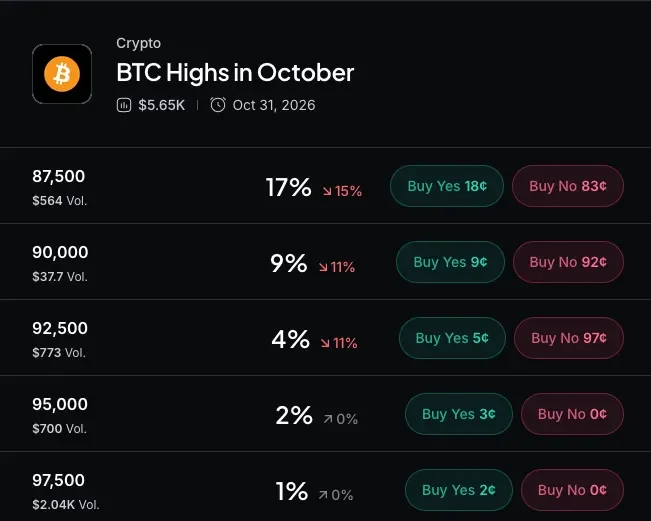
Myriad: How high will Bitcoin go? Click to make your prediction.
The breach also exposed customer information. Keystone first disclosed on Saturday that a third party had obtained shipping data. On Monday, it said 25,964 buyer records from its Shopify store were affected, spanning 2024 to 2026. Those records included names, contact details, shipping addresses and order information. Purchases through Amazon and other sales channels weren’t affected.
Keystone says 51,083 records were involved in total, but personal information in 25,119 had already been erased. The company’s policy was to delete buyer records after 180 days, yet its automated bulk deletion tool didn’t work reliably. Keystone acknowledged that some deletion jobs failed and said it didn’t catch the problem in time, leaving data stored longer than permitted. It accepted responsibility for that failure.
Customer data can create risks long after a wallet is sold. The [2020 Ledger breach](https://decrypt.co/53961/bitcoin-wallet-ledger-discovers-full-extent-hack) eventually affected about 292,000 customers; some later received phishing emails and feared they could be targeted for home invasions. Keystone’s disclosure doesn’t identify who was behind this breach or when the attacker first gained access.
The Keystone incident sits in a wider pattern: wallet makers Trezor and SafePal also disclosed customer data breaches in August, exposing information tied to 13,689 customers and about 39,798 customers, respectively.
Names and home addresses carry a particular risk for crypto owners. Criminals can use them to target people in so-called wrench attacks, coercing them with threats or violence to surrender their assets. Chainalysis recorded 46 violent attacks in the first half of 2026, with more than $30 million stolen. That figure makes customer records a security concern in their own right, beyond the familiar risk of phishing or account theft.
Keystone has warned customers to ignore messages promising “asset migration,” “wallet verification” or “investigation assistance.” Its guidance is direct: “We will not ask you to return your device. Anyone contacting you under the pretext of a ‘recall’ and asking you to ship your device to them should be treated as a scammer.”
The company says it has reported the incident to authorities in the EU, UK and other jurisdictions. It has also shortened its customer-data retention period from 180 days to 90. On October 24, Keystone asked Shopify to erase buyer data that had passed its retention window; Shopify’s process includes a 10-day waiting period, and Keystone expects deletion to be complete on November 3.
Sales through Keystone’s website will remain preorder-only until production of devices with a new key is finished. The measures address the immediate incident, but the broader lesson is harder to contain: when a wallet company holds customer names and addresses, a data breach can put people at risk far beyond their screens.
Discussion
Sign in to join the discussion.