The iPhone 16 arrives without Apple's classic stickers, signaling a shift in packaging priorities as the company focuses on sustainability.
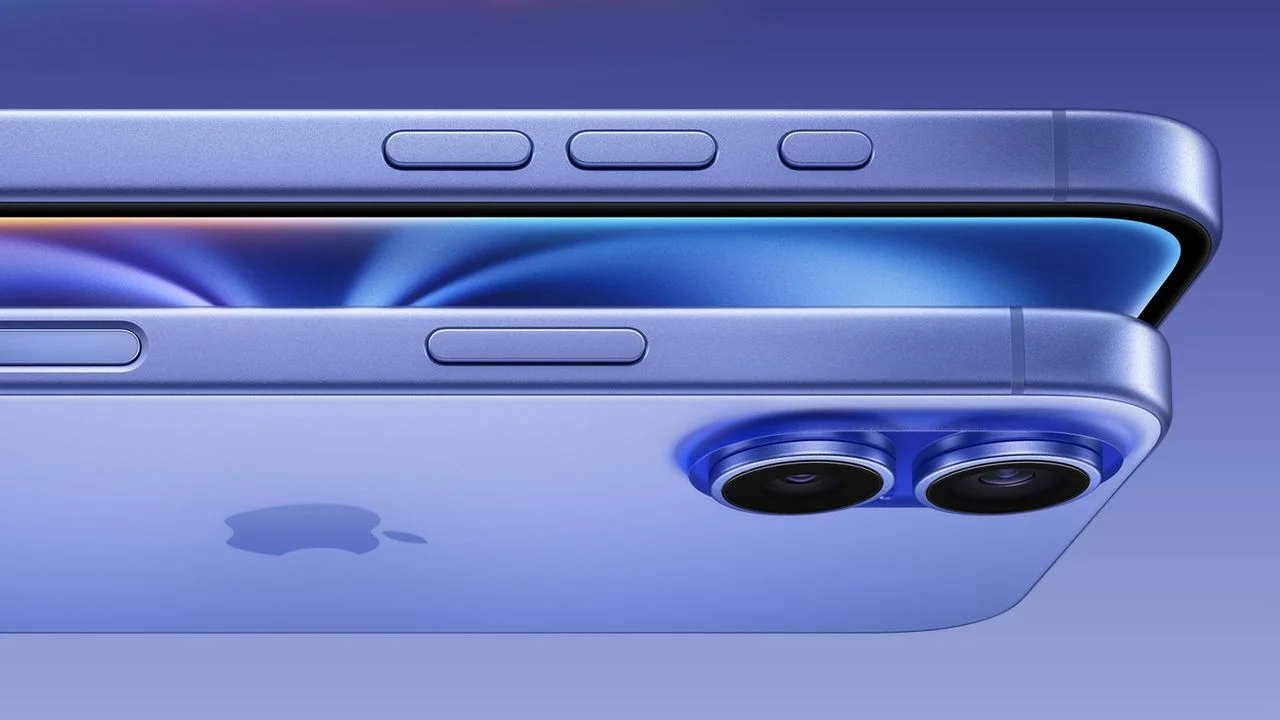
Buying a new iPhone 16 or iPhone 16 Pro? You might notice that Apple's signature white stickers are no longer included in the box. This change follows the elimination of earbuds and power adapters, reflecting Apple's ongoing transformation in packaging strategy.
According to 9to5Mac, while consumers can still request stickers when purchasing their phones, they won't be available through carriers or third-party retailers. This marks a significant departure from Apple's previous practices.
The End of an Era
The brand’s decision to omit stickers isn't isolated, as the M4 iPad Air, M2 iPad Air, and the Vision Pro also debuted without them. These whimsical touches seem to be fading away as Apple prioritizes environmental sustainability, aiming for carbon neutrality by 2030.
Stickers were more than just branding; they were tokens of ownership. Many people enjoyed decorating their laptops, water bottles, and other personal items with those stickers. They held a certain charm, representing a tangible link to the product. Its absence, while seemingly trivial, underscores a shift in how Apple is trying to position itself in the market. It raises the question: What else will be left behind in the name of sustainability?
Shifting Strategies in Product Packaging
Apple's decision to cut out stickers aligns with a broader trend in product packaging, especially among tech giants. Companies are increasingly wrestling with the balance between environmental responsibility and customer satisfaction. Apple's earlier moves, such as removing the power adapter and headphones from their devices, were controversial. Yet, they are now seen as part of a concerted effort to reduce waste.
This shift comes with its own risks. Consumers have grown accustomed to certain perks that come bundled with new devices. Apple's decision to phase out stickers—alongside earbuds and chargers—might leave some feeling a void. If you’re working in this space, you know consumers often build emotional connections to brands based on these small but meaningful details. There might be a backlash from die-hard fans who see these changes as a loss of identity associated with the brand.
Environmental Concerns and Consumer Expectations
Apple's commitment to reducing plastic in packaging aligns with growing global awareness around environmental issues. The materials used for packaging can have a significant environmental impact, contributing to pollution and excessive waste. By transforming its packaging strategy, Apple demonstrates leadership in corporate responsibility, which is an admirable initiative that other companies might feel pressured to follow.
However, this commitment raises a critical question. Are consumers willing to sacrifice personalization and small touches in the name of sustainability? The answer is nuanced; while many people support eco-friendly initiatives, they also enjoy the little perks that come with new purchases. Companies must navigate this delicate balance. (And this is the part most people overlook.) If Apple fails to meet consumer expectations in other areas, it risks alienating its core audience.
Comparative Context: Other Brands' Approaches
Apple isn't the only tech giant making waves in product packaging; several companies have embraced similar ecological initiatives. Samsung, for instance, has discussed eliminating plastic in its packaging by 2025. Similarly, Google has aimed to use more recyclable materials in its product packaging. These companies are developing their strategies, indicating a larger shift in tech that's focused on sustainability.
Yet, the comparative consumer reception can vary significantly. Some might celebrate Samsung's efforts for offering eco-friendly packaging while lamenting Apple's aesthetic decisions. This shows how detrimental the reception to these changes can be. Consumer sentiment might sharply diverge based on brand loyalty and personal expectations.
Future Implications for Apple's Branding
The removal of stickers could also have long-term branding implications. While going green is commendable, will it affect how consumers perceive Apple products? Brand identity is often tied closely to the physical experience a product delivers, including packaging. Future buyers might feel a disconnect without small, familiar elements that come packaged with an iPhone or iPad. This could lead to fragmentation where new customers may not grasp the same excitement as those who’ve been loyal for years.
As consumers become more aware of corporate practices, Apple's focus on sustainability may enhance its public image. However, if those sustainability efforts seem to dampen the brand experience, the premium price point for its products might come under scrutiny. Apple’s stature has rested upon a delicate balance of quality and brand cachet—this could tip the scale.
In closing, while the absence of stickers from iPhone boxes might seem trivial, it reflects a broader trend in packaging and consumer preferences that could influence Apple's brand identity for years to come. If today’s gadget enthusiasts feel the loss of physical tokens of ownership, who knows what the future holds for new Apple generations?
Discussion
Sign in to join the discussion.