Apple confirms all iPhone 16 models include 8GB of RAM, optimizing performance for Apple Intelligence features and demanding applications.
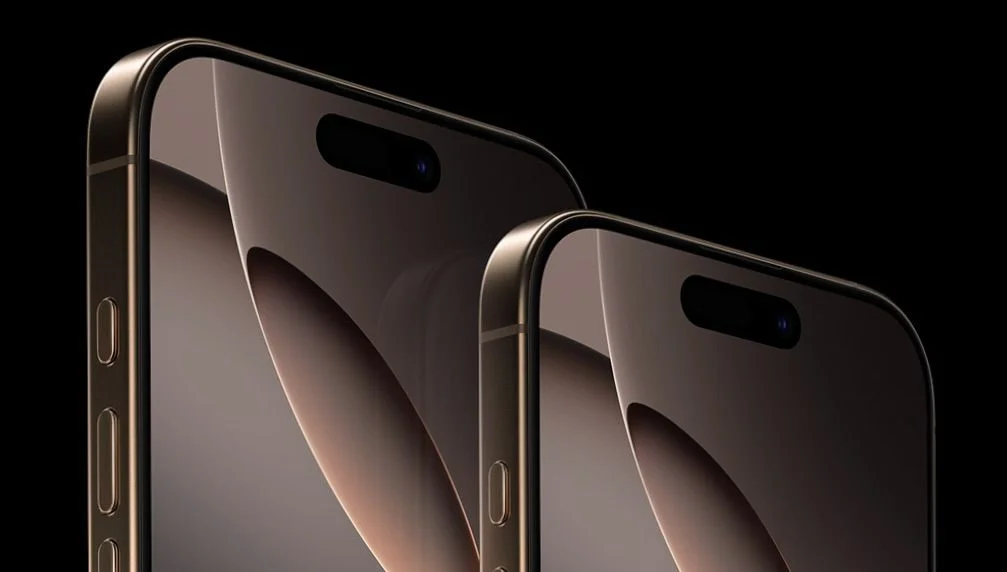
The recent Apple Glowtime event unveiled the highly anticipated iPhone 16 and iPhone 16 Pro models, sparking interest in their specifications, particularly RAM. This year, there's a notable focus on how the devices can run Apple Intelligence features, a capability that sets them apart from the iPhone 15.
Understanding the RAM Capabilities of iPhone 16
When it comes to smartphones, RAM is often a decisive factor for performance and usability. Apple has taken a bold step this year by equipping the iPhone 16 models with 8GB of RAM—a move that aims to enhance functionality and improve user experience. This development signifies Apple's commitment to staying competitive in an increasingly demanding market, where consumers expect their devices to handle not only everyday tasks but also resource-intensive applications.
The iPhone 15 models ran with 6GB of RAM, so this increase might seem minor at first glance. However, in the context of Apple Intelligence, the enhanced memory becomes critical. Apple’s software ecosystem is evolving rapidly, requiring more computational resources to support advanced features such as machine learning and real-time data processing. Consequently, this RAM boost represents a strategic decision to align hardware capabilities with software ambitions.
Insights from Johny Srouji on iPhone RAM
Srouji stated, “Our goal is to build the best products, delivering the absolute best user experience. As it relates to Apple Intelligence, DRAM is one aspect. We have lots of data that tells us what is going to enable a certain feature, and Apple Intelligence is one of those very, very important features that we want to enable.” With this statement, Srouji is putting a spotlight on the symbiotic relationship between hardware and software—one that has become increasingly relevant as mobile applications evolve to demand more from their underlying systems.
What's often overlooked is that while increased RAM can enable new features, it doesn't automatically lead to improved performance. Apple’s distinct approach focuses on creating a seamless integration of hardware and software. The decision to allocate 8GB of RAM isn’t merely about having more memory; it’s about ensuring that the device can fluidly support the myriad functionalities users will expect, especially in the realm of advanced gaming and high-demand applications.
The rationale behind the 8GB RAM allocation also relates to providing a smooth experience for high-end gaming applications, which increasingly demand a higher performance from mobile devices. Mobile gaming continues to thrive, and major titles are becoming richer and more complex, which means they require more resources. Srouji elaborated that the configuration choices made in terms of memory, computational power, and bandwidth are driven by user needs—an acknowledgment of market trends that can't be ignored.
Performance and Efficiency Cores
Apple has made significant strides in optimizing its performance cores. Srouji further praised the performance of Apple’s efficiency cores, emphasizing their leadership within the industry. “When you look at the single-thread performance core across all of our silicon, it’s the absolute best in the industry,” Srouji asserted. This claim isn't simply corporate hyperbole; it underscores the hard work Apple has put into developing their silicon to meet the performance standards expected by both consumers and developers alike.
What’s fascinating is how these efficiency cores allow users to maintain high performance without sacrificing battery life. In an age where sustainability and longevity are key considerations for consumers, Apple's architectural decisions reflect an awareness of these pressures. If you’re working in this space, the implications of high-performance cores can't be understated. They not only influence on-device processing capabilities but also determine how apps interact within the Apple ecosystem in terms of speed and responsiveness.
The Implications for the Market
With the introduction of the iPhone 16 and its emphasis on improved RAM and performance, Apple isn't just focusing on outperforming its immediate competitors; it’s actively reshaping expectations in the smartphone market. The capacity for advanced functionalities like Apple Intelligence ties back into a broader narrative about how smartphones are no longer just communication devices but also powerful tools for productivity and entertainment. This relevance in various facets of life could alter user purchase decisions.
Apple’s strategy could also put pressure on competitors to step up their own RAM and processing capabilities. Companies like Samsung, Google, and OnePlus may find themselves needing to respond not just with hardware upgrades but also in terms of optimizing software for better performance. (And this is the part most people overlook.) Feature sets, user experiences, and raw specifications will increasingly become battlegrounds for market share as consumer expectations continue to rise.
The move to 8GB of RAM signifies a shift beyond merely following market trends—Apple is trying to set them. This might very well be part of a larger strategy to embed machine learning and artificial intelligence across its entire product line. In the long run, this could also expand the scope of what mobile applications can achieve, pushing developers to innovate continuously. Will this lead to an era where smartphones can do things we haven’t imagined yet? Only time will tell, but the groundwork is clearly being laid.
Discussion
Sign in to join the discussion.