The iPhone 16 Pro's impressive Geekbench performance suggests it rivals Apple's M1 chip, showcasing significant advances in mobile processing power.
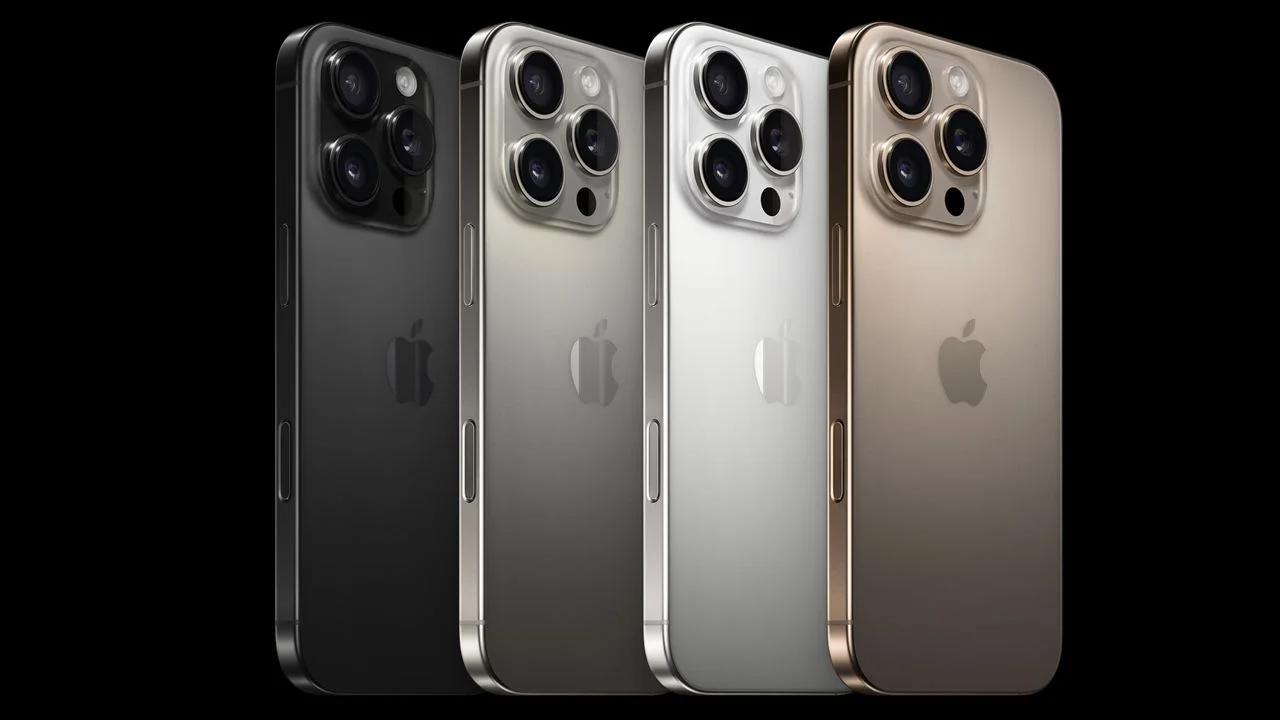
This year's iPhone 16 Pro models are shaping up to outperform even the M1 chip, according to recent Geekbench results. The benchmark data pertains to the A18 Pro chip, specifically designed for the Pro variants of this year's lineup. The implications of this development are far-reaching, suggesting a shift not just in smartphone capabilities but also in the relationship between mobile and desktop computing.
Benchmark Results: A New Standard?
The benchmark revealed a Single-Core Score of 3429 and a Multi-Core Score of 8790, indicating substantial improvements over last year's iterations, consistent with Apple’s projections shared during their Glowtime event. On the surface, these scores seem impressive, but they invite a deeper analysis that considers the benchmarking environment. Benchmarks, after all, measure specific scenarios that might not translate directly into everyday use.
The uptick in performance reflects Apple's ongoing strategy to push the boundaries of what mobile devices can achieve. The A18 Pro seems particularly designed to handle workloads that were previously reserved for more powerful hardware. This might raise eyebrows among professionals who rely heavily on laptops or desktops for demanding applications like video editing and software development. But it’s not simply about raw numbers; it’s about the brand positioning Apple is striving for. By aiming to place its iPhones on par with desktop processors, Apple is signaling a seriousness about making its mobile devices not just complementary to traditional computing, but potentially leading alternatives.
Could Your iPhone Outperform Your Laptop?
While these results come from a controlled benchmarking scenario rather than real-world usage, they do suggest that the A18 Pro, in a pocket-sized device, is entering competition with Apple’s laptop and desktop processors—specifically the M1, which debuted with Apple’s transition to its Silicon architecture. The idea that your smartphone could outperform a laptop seems almost sci-fi, but it’s a reality for many users today.
The A18 Pro slightly edges out the M1's multi-core performance, which historically benchmarks around 8300. Critics might argue that this comparison is not entirely fair given the differences in thermal management and power constraints. Laptops typically have the advantage of better heat dissipation mechanisms, which allows them to sustain higher performance levels for longer periods. But this reality doesn’t diminish the accomplishment at hand. Apple’s rapid development in processing power, especially when you consider the short time frame between the M1 and the A18 Pro, is quite remarkable. It highlights not only Apple’s innovation but also intensifying competition. Other firms are ramping up their game, leading to a landscape where the performance dynamics are frequently in flux.
More from iMore
- iPhone 16 and iPhone 16 Pro preorders are now live — as well as Apple Watch Series 10, AirPods 4, and more
- iPhone 16 has a secret charging upgrade Apple didn't even mention
- Apple hints that the iPhone SE 4 is closer than ever
The Role of Memory: Are iPhones Catching Up?
Moreover, Apple’s Johny Srouji has confirmed that the latest iPhone models are equipped with 8GB of RAM—matching the specifications of the base M1 chip. While RAM figures alone don’t paint a complete picture of performance, they do suggest that Apple is keen to ensure that the iPhone 16 Pro is not just about raw processing speed. RAM impacts the ability to manage multiple applications and processes efficiently, which is increasingly important as smartphones take on more complex tasks.
You'll find that RAM limitations can cause even the most powerful chip to slow down under heavy multitasking loads. Hence, having comparable memory means that iPhones are no longer lagging behind in this essential aspect. But does this mean you should ditch your laptop for an iPhone? Not necessarily, as many will still require the form factor and capabilities found in a laptop. Still, the broader implications for productivity are real. If you're working in this space, you may find yourself questioning whether you need that bulky device on your desk, or if a powerful smartphone could suffice.
Future Outlook: What Comes Next for Apple?
The benchmarks and features we’re seeing are more than just speed tests. They signify Apple’s deliberate choices in product development, harnessing its vertical integration abilities to produce chips that are suited to a wide range of tasks. And yet, what does this mean for consumers? Will we see iPad and Mac models start to adopt similar architectures, bringing the same performance to different form factors? It’s a tantalizing possibility that could change how we think about computing.
As competition heats up among tech giants, consumers stand to benefit significantly. With brands striving to outdo one another, we can expect a future where processing power continues to evolve rapidly. It raises an important question: how far can this trend go? Mobile devices are already powerful, but can they completely replace traditional computing in the next few years? The answer won't come easily, but Apple has certainly thrown down the gauntlet, challenging consumers to reconsider what devices they truly need.
At the end of the day, Apple's constant push for high performance turns the spotlight on a broader narrative about technology: one where the line between mobile and desktop computing becomes increasingly blurred. The race isn’t over, and what happens next will be critical in shaping the technology we rely on daily.
Discussion
Sign in to join the discussion.