With Apple discontinuing the iPhone 15 Pro, users must now turn to the iPhone 16 to access the latest AI capabilities, alongside recent product removals.
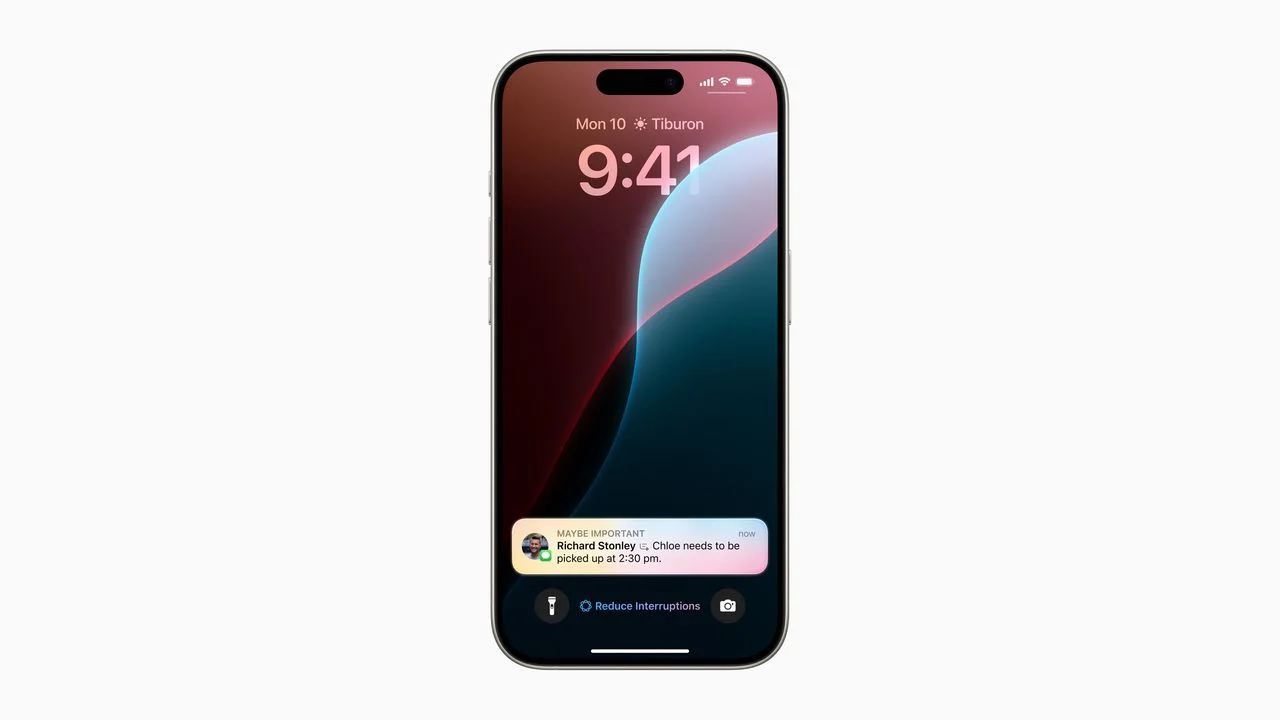
For those keen on utilizing Apple's AI features on their devices, the transition to the iPhone 16 is essential. The discontinuation of the iPhone 15 Pro and iPhone 15 Pro Max leaves the iPhone 16 and iPhone 16 Pro as the only options to access these advancements. This shift highlights Apple's strategy not only to streamline its offerings but also to force user upgrades to its latest hardware for an optimal experience.
This isn't just about specs; it's about positioning in a highly competitive market. The iPhone 16, equipped with 8GB of RAM, is set to enable users to make the most of new intelligent features Apple is introducing. It's a calculated move that ties hardware capabilities directly to software enhancements, ensuring the latest users get a genuinely improved experience. Consequently, anyone looking to experience Apple’s updated offerings may need to budget more than they initially planned. Those hoping to save with older models will find themselves on the outside looking in as Apple pushes its flagship features forward.
Broader Product Cuts Following Recent Announcements
Apple's recent product line changes extend beyond just the iPhone 15 Pro. The company has also phased out the iPhone 13 from 2021, showcasing its intent to keep the focus on newer models that boast advancements like AI capabilities, better camera systems, and improved battery life. This is a strategic choice that emphasizes Apple’s commitment to staying at the forefront of technology while making older models obsolete.
The operational philosophy behind these discontinuations is evident. Apple is not only consolidating its product offerings but also steering consumers toward their latest flagship devices. The retirement of the Apple Watch Series 9, replaced by the new Apple Watch Series 10, reinforces this pattern. With each iteration, Apple tries to enhance functionality and incorporate feedback from its user base while inviting customers to invest in their latest innovations.
In tandem with these changes, the AirPods lineup has also undergone a major refresh. The AirPods 2 and 3 have been succeeded by AirPods 4, which draw design cues and features from the AirPods Pro, suggesting a shift towards a more premium offering across their audio devices. Meanwhile, the original AirPods Max has been retired, replaced by a new USB-C version, reflecting growing industry standards and customer demands for universal charging solutions.
Here's the thing: every time Apple makes significant cuts in its product lineup, it paves a clear pathway for innovation. The company isn’t just discarding old models; it’s making space for something new and potentially more exciting. Notably, the FineWoven material, which received mixed reviews when launched, appears to live on in various accessories, signaling that Apple isn't abandoning unique concepts but is instead refining them. (And this is the part most people overlook.)
Future Outlook and Implications for Users
As users adapt to these new developments, the implications extend beyond mere device appreciation. The landscape of tech is shifting rapidly with a greater emphasis on the intersection of hardware and software capabilities. For Apple, the focus on RAM enhancements directly correlates to an enriched user experience, particularly with AI applications taking center stage within iOS. It’s become increasingly clear that customers will pay a premium for features that genuinely improve usability.
The discontinuation of previous models indicates a significant move towards obsolescence rapidly dictating consumer choices, a trend amplified by Apple's approach to holding prices steady for newer models. If you're working in this space, staying informed about these changes can greatly affect both marketing tactics and consumer interactions. Think about how the landscape might look in a year or two. Will consumers continue to see devices as premium investments? Or will they shift towards more budget-friendly alternatives as economic conditions fluctuate?
This dynamic could signal a broader trend where tech companies might feel the pressure to sustain older models longer, incorporating necessary updates and modifications to keep user engagement high. The accelerated pace of innovation may further tilt the scale, leading to a cycle of continual device refreshes and upgrades that consumers are upwards of willing to embrace.
Discussion
Sign in to join the discussion.