The Galaxy S27 Ultra and Pro are set for significant battery capacity boosts, but will it be enough to outshine competitors?
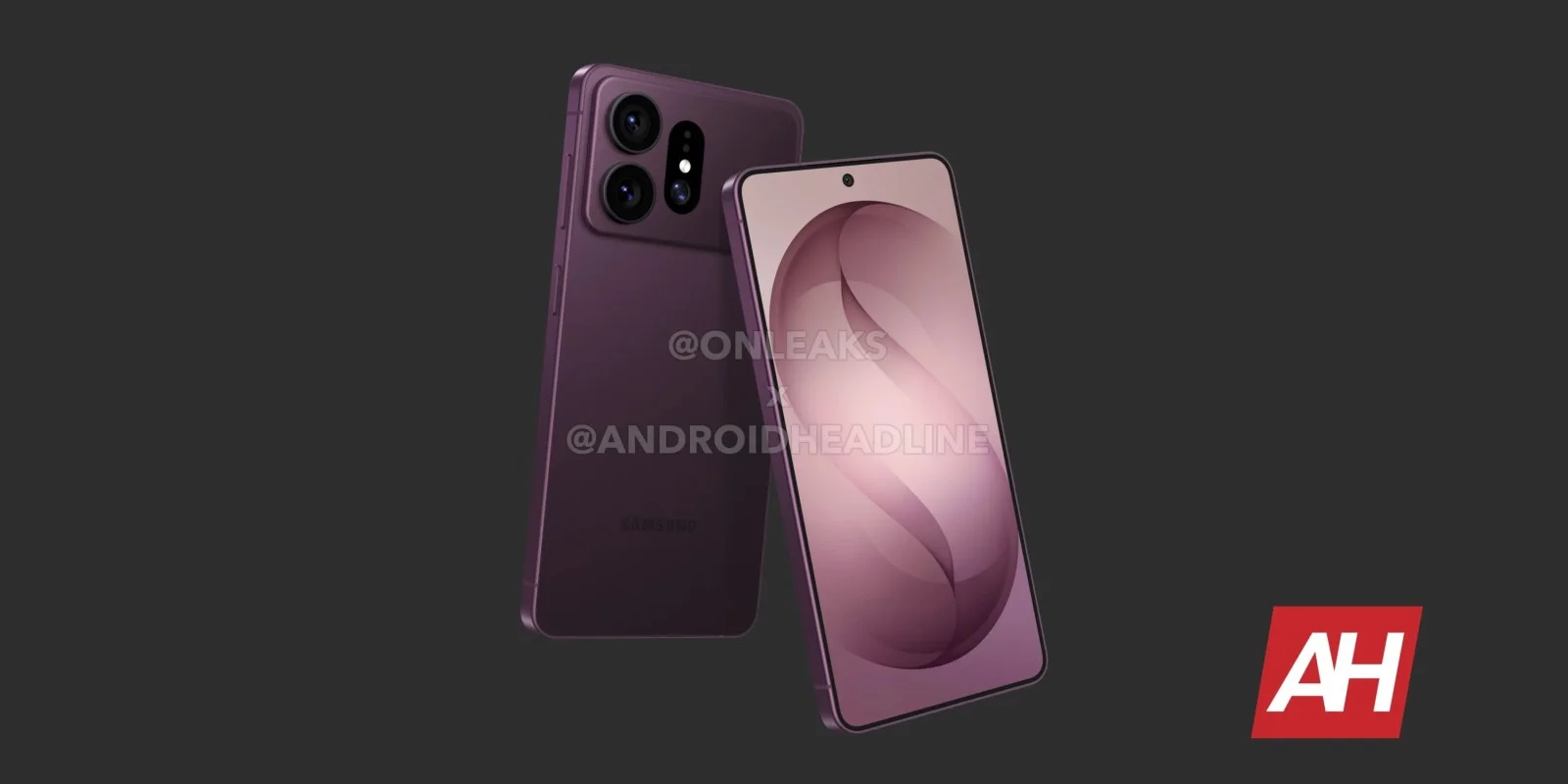
Recent leaks have unveiled the anticipated battery capacities for Samsung's Galaxy S27 Ultra and S27 Pro models, signaling a substantial evolution in their battery technology.
Transition to Silicon-Carbon Technology
Samsung appears to be transitioning towards silicon-carbon battery technology, which was first seen in the Z Fold 8 series. This approach boosts battery performance significantly, delivering higher energy densities compared to traditional lithium-ion batteries. You'll find that silicon-carbon technology can improve charging speed and longevity, making devices more efficient in handling power demands. While this development hasn't been officially confirmed by the company yet, a regulatory leak reported by GSMArena sheds light on what we can expect.
New Battery Capacities Revealed
According to the leaked data, the rated capacities for these models are noteworthy. For context, the Galaxy S26 Ultra features an advertised capacity of 5,000 mAh but is rated at 4,855 mAh. So, what do the new models boast?
- Galaxy S27 Ultra: Rated 5,534 mAh | Advertised likely around 5,700 mAh
- Galaxy S27 Pro: Rated 5,087 mAh | Advertised likely around 5,200 mAh
While the S27 Pro doesn't have a direct predecessor for comparison, the Galaxy S26's 4,300 mAh capacity makes the bump for the Pro remarkably significant. This increase indicates Samsung's focus on addressing user demands for longer-lasting batteries, especially as smartphone usage becomes more intensive.
Notably, the Galaxy S27 Ultra’s increase approximates a 700 mAh jump. It's a modest 14% improvement, but consider how the industry had become stagnant in terms of battery upgrades over previous generations. Even a slight enhancement can yield better performance for everyday tasks like streaming videos or gaming. Both devices are reportedly equipped with 60W wired charging, which aligns with user expectations for flagship devices, ensuring fast recharges.
Facing Strong Competition
However, competition is heating up. Other Android flagships are pushing battery capacities higher, with rumors circulating about the Oppo Find X10 potentially featuring an 8,000 mAh battery upon its launch. This raises a critical point: while Samsung may be making strides, are they enough to maintain their lead in an increasingly crowded smartphone market? The aggressive moves from competitors mean that consumers now have more choices than ever, putting pressure on established brands like Samsung to innovate or risk losing market share.
Here’s the thing: while battery size is crucial, it's not the only aspect that determines a smartphone's usability. Performance optimization, power management software, and charging technologies also play significant roles in user experience. Therefore, primary attention should also focus on how these new batteries integrate with the existing software ecosystem Samsung has to offer.
Implications for Consumers
What this means for you is that Samsung's refresh becomes increasingly vital as consumer expectations evolve. With digital lives that demand constant connectivity and performance, the need for reliable battery life is paramount. Samsung’s investments in battery innovation may well impact how users engage with their devices. A battery that can last all day without needing a charge can change how people approach mobile technology. The shift to silicon-carbon technology might not fit into everyone’s radar immediately, but in the long run, it’s the type of advancement that might redefine usability.
(and this is the part most people overlook) It’s essential to keep an eye on how quickly these technologies can be mass-produced and whether they’ll be affordable enough for widespread adoption. Samsung has a reputation for being a leader in tech, but they must also ensure that these sophisticated advancements don't become exclusive to high-end models.
Looking Ahead
As we look ahead, Samsung’s battery strategy will likely shape its future releases. With the ongoing momentum from competitors, it’ll be interesting to see how quickly Samsung can roll out these upgrades and whether early adopters find them worthwhile. Battery technology often lags behind other advancements in mobile devices, so any leap forward should be welcomed.
The question remains: have Samsung’s upgrades done enough to keep it competitive? Share your thoughts in the comments.
Discussion
Sign in to join the discussion.