The latest Google Health update enhances account management and resolves user sign-up issues, streamlining the app experience for users.
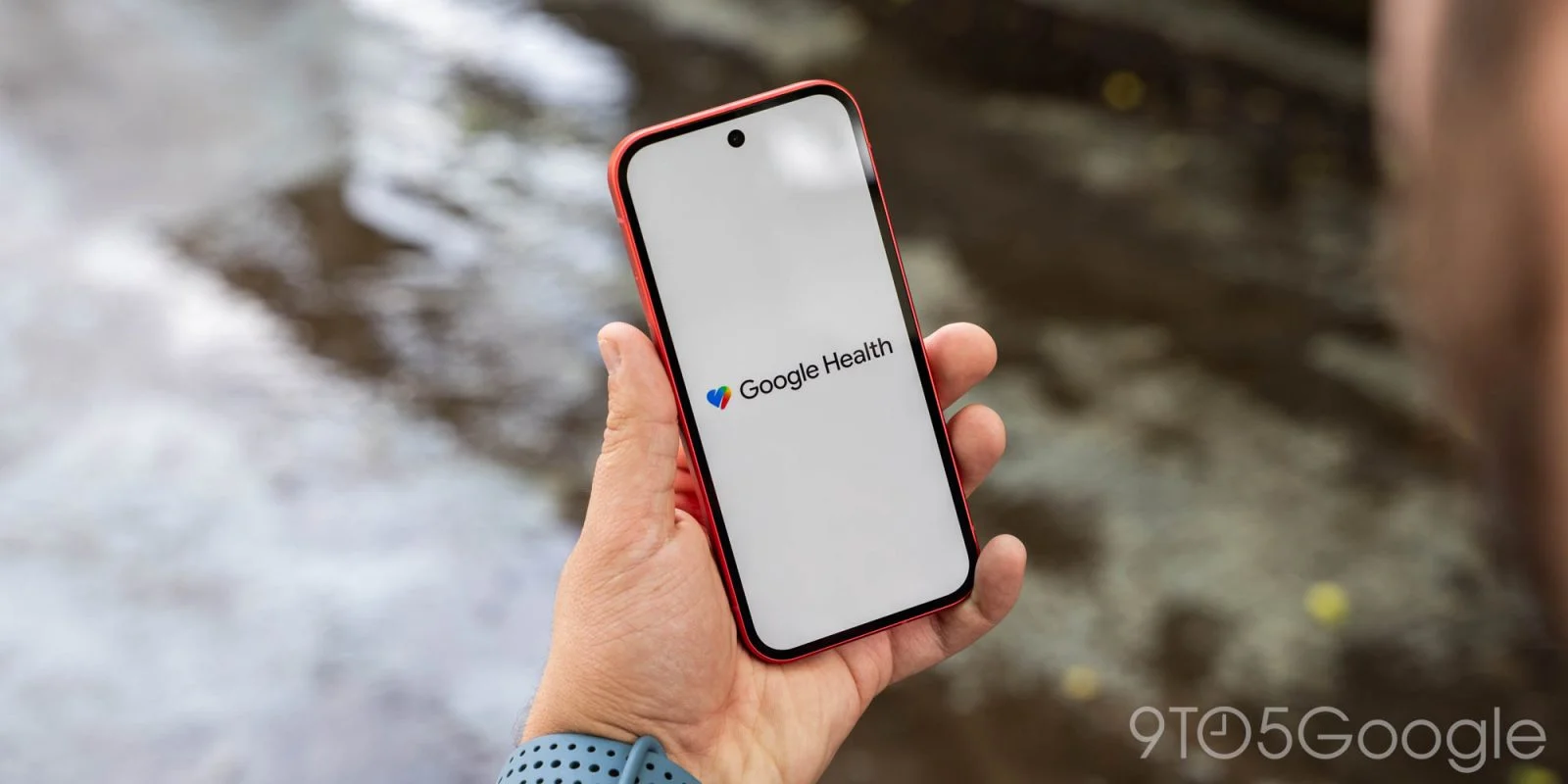
Google Health version 5.08 is now available for Android and iOS, marking its smallest update since the significant redesign in May. This update is pivotal in solidifying the transition from Fitbit's standalone ecosystem to Google's integrated health platform. While it may appear minimal, the implications could significantly impact user experience and data management.
One of the key changes is the mandatory requirement of a Google Account, as the transition period for Fitbit account migrations has concluded. This shift means that users who've been relying on their Fitbit accounts will now face hurdles in accessing their health data. Users should be aware that logins via Fitbit accounts are no longer supported, resulting in the deletion of any unmigrated data. Such a transition can disconcert users who have invested in tracking their health metrics over time using their legacy accounts.
What's New in 5.08?
- The update resolves a sign-up issue for users who had previously tied their email addresses to Fitbit, allowing these users to log in using their Google Account of choice. This is a critical fix, as user access may significantly affect retention and long-term satisfaction.
- Other enhancements include general stability improvements and bug fixes, which help ensure a smoother experience for current users. These kinds of updates, while less thrilling, are often necessary to eliminate the friction that can build over time in any app.
This update is currently rolling out on Android and is fully available to iOS users. It’s interesting to see how Google manages phased rollouts. They have a methodical approach, which allows them to address potential issues on a smaller scale before pushing updates worldwide. As Google continues to implement changes, the majority of issues noted in its roadmap have been addressed. The focus here seems to be on smoothing out the user journey as they fully transition to the Google ecosystem. Remaining items primarily revolve around enhancing the Health Coach feature, an aspect that many users appear eager to see developed further.
Further Insights on Google Health
- A potential Google device at the FCC may signal a Wear OS fitness tracker. Such devices could fit well within Google's broader strategy of blending hardware and software solutions focused on health tracking.
- The previous 5.07 update brought improved manual logging and more. Incremental improvements like these reflect the growing competition in the fitness tracking space, where companies are continuously seeking to enhance user engagement and data accuracy.
- Version 5.06 introduced features for managing the Health Coach through the Today tab. This kind of feature exemplifies the need for personalized health solutions that resonate with user behaviors and daily habits.
The Shift to Google Accounts
One of the most significant changes in this update is the shift to requiring a Google account, leaving Fitbit's user accounts behind. This move represents a strategic consolidation by Google. For years, Fitbit operated as an independent brand, yet as the tech giant deepens its foothold in the wellness and health sectors, merging platforms is becoming standard practice. The real question is whether users will respond positively or negatively to this change. Some may appreciate the integration into Google's vast ecosystem, while others could view it as a loss of identity and control over their health data.
This transition could have long-term effects on user retention and loyalty. If you're working in this space, keep an eye on user responses. Loss of access to historical data could lead to dissatisfaction, and it might take only a few complaints on social media for this to snowball into a larger issue.
Implications of This Update
The mandatory requirement for a Google account isn't just a technical change; it symbolizes a broader trend in digital health. Companies in the wearables sector are increasingly focused on creating a single, cohesive user experience that gathers data across different devices and applications. This not only provides users with a more unified view of their health but also allows companies to leverage the combined data for more sophisticated analytics and insights, which can lead to better products and services down the line.
What this means for you, as a consumer, is that the future of health tech is likely to involve more significant data sharing across different platforms and services. However, this increased integration raises pressing questions about data privacy and security. Users should be proactive in understanding how their data is being used and stored, especially with notable shifts like what we see here with Google Health. Companies need to tread carefully to maintain user trust while offering more integrated solutions.
What’s next? As Google marches forward, expect further integration of AI and data analytics into health offerings. Tracking not just steps and heart rate but potentially the psychological aspects of health, from stress levels to overall wellbeing, could emerge as key features in future iterations of Google Health.
Discussion
Sign in to join the discussion.