Samsung has delivered sharp responses to the unveiling of Apple's iPhone Duo, likening it to warmed-up leftovers and drawing comparisons with its Galaxy Z Fold 8.
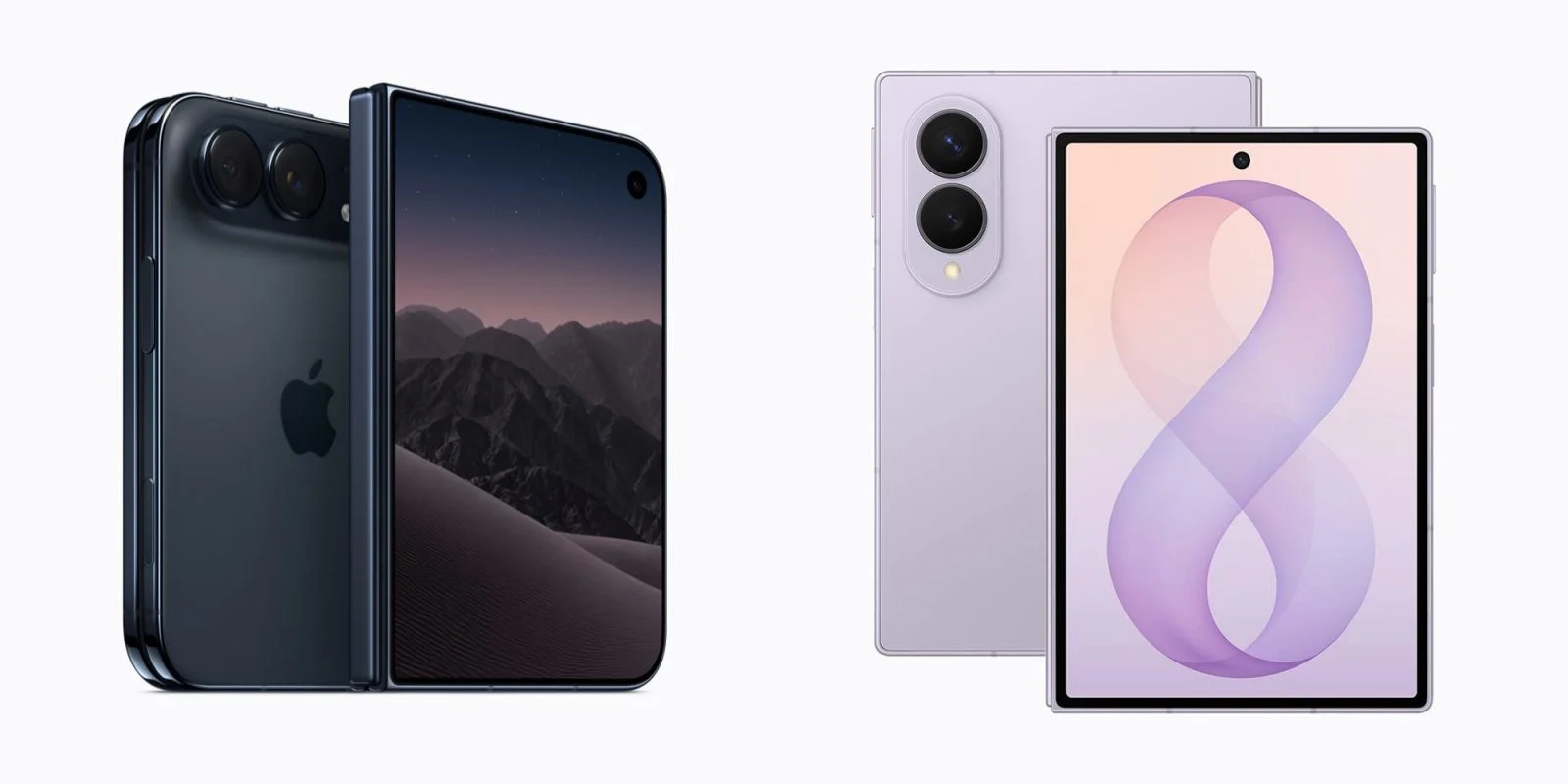
Samsung's reaction to Apple’s iPhone Duo, the tech giant's first foray into foldable devices, has been anything but subtle. Describing the new device as "a Sims sequel" and "reheating our leftovers," Samsung has positioned itself as the cheeky veteran in the foldable market. This attitude reveals the company's entrenched view of its leadership in the phone sector, underscoring the competitive tension that often exists between industry giants.
Apple's Entry into Foldable Devices
Apple's entrance into the foldable space isn't just about hardware; it's a strategic move that could redefine how consumers view this category. Over the years, Apple has steadfastly maintained a distinct design philosophy, usually taking a more cautious approach compared to its rivals. But the iPhone Duo appears to signal a willingness to adapt—albeit belatedly—to trends that have gained traction with Android manufacturers. Samsung's playful jabs suggest they see Apple's efforts as a direct challenge, stemming from uncertainty about Apple's ability to truly innovate after years of incremental updates.
This fresh foldable from Apple features design elements reminiscent of Samsung’s Galaxy Z Fold 8, which has been well-received since its launch in July. The intertwining of design inspirations raises questions about originality in the tech industry. While some may argue that Samsung’s own foldable advancements were partly fueled by Apple's upcoming debut, the interplay of competition is evident. Each company is keenly aware that consumer perception can hinge on who appears to be the forerunner. Strong branding matters; Apple may be late to foldables, but it has the advantage of a dedicated customer base that often views its products as aspirational.
Samsung's Defensive Posture
Interestingly, Samsung initially expressed openness toward Apple entering the foldable space. This approach is often seen in the industry where dominant players sometimes welcome new entrants, believing they can capitalize on their established presence. However, Samsung's tone shifted dramatically on social media. Tweets from Samsung’s official account suggested that the iPhone Duo doesn't break new ground in terms of features that have already been showcased by current Android foldables. Phrases like “So far, so same” illustrate their skepticism, showing Samsung's defensiveness is born out of having to protect its stronghold on the market.
Such responses from Samsung aren't just playful banter; they serve a strategic purpose. The company wants to not only assert its dominance but also influence consumer perception. If you're working in this space, you'll recognize that having a strong narrative is just as vital as having a superior product. Samsung's social media strategies are a case in point—they're trying to shape the conversation around the advantages of their existing foldable models over Apple's newcomer.
Critique of iPhone Duo’s Features
As Samsung further mocked the iPhone Duo, it critiqued Apple's singular approach to foldable design and expressed amusement at features like using the device as a clock, reiterating the sentiment of “reheating our leftovers.” This critique raises an important issue: Are these features genuinely useful, or are they merely gimmicky attempts to showcase what the foldable can do? In consumer electronics, functionality and real-world utility often tip the scales of success. Many tech enthusiasts will argue that features should enhance the user experience rather than just provide novelty.
Moreover, Samsung's remarks aren't merely an act of bravado. They highlight a larger trend within the tech community, where companies are increasingly pressured to differentiate their products. Simply offering a foldable design isn't enough anymore. Consumers are looking for practical applications that fit into their daily lives. If Apple can't effectively communicate this value with the iPhone Duo, it risks falling into the same trap that has ensnared many other tech companies.
The Bigger Picture
Samsung’s remarks highlight a broader narrative regarding its long-standing dominance in foldables, especially given the Fold 8's striking design evolution compared to earlier models. It’s clear that Samsung feels confident amidst the competition. This isn't merely about one-upmanship; it's about establishing a brand narrative that reinforces its market position. Previous iterations of foldables faced skepticism, yet Samsung has steadily improved its product line, which provides it leverage against new entrants.
Meanwhile, the arrival of Apple creates new stakes in the foldable market. The iPhone Duo is set to launch in October at a price point of $1,999. That's no small investment, and it forces consumers to carefully consider whether they’re buying into a truly new experience or just a rehash of existing technology. With Apple often viewed as a laggard in adopting foldable technology, skepticism regarding the iPhone Duo's ability to reshape consumer expectations is prevalent.
Implications and Future Outlook
The entry of Apple into foldables carries future implications for the entire smartphone industry. If the iPhone Duo succeeds, it could shift the dynamics of consumer expectations about foldable devices. Area after area, Apple has managed to cultivate desires that later reshape markets. If Apple really does provide consumers with a compelling reason to buy the Duo, Samsung may face significant pressure to up its game further.
That said, should the iPhone Duo fall short of expectations, it could reinforce Samsung's existing dominance, giving it ample room to maintain its lead unchecked. Market watchers will be keenly observing how consumers respond to both products. The competition between Samsung and Apple isn’t just about technology; it's a battle of perceptions, brand loyalty, and ultimately, market share. What this means for you? If you're in the tech space, keep an eye on how these two giants navigate these turbulent waters—there’s more at stake than simply foldable innovations.
Discussion
Sign in to join the discussion.