Apple’s iPhone Duo matches leading foldables with IP68 protection, but its water and dust resistance can diminish with wear.
What IP68 means for iPhone Duo
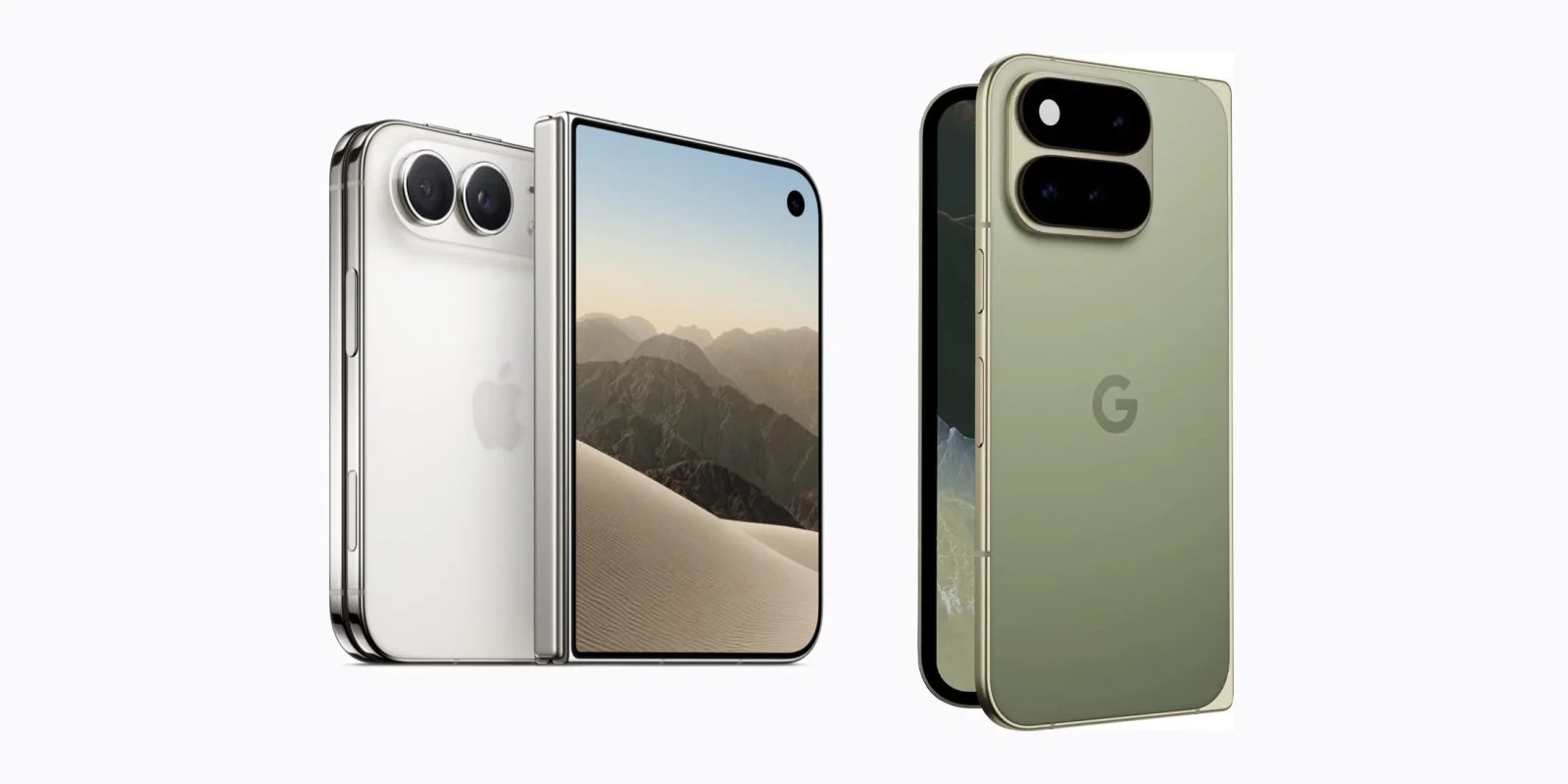
Apple’s first foldable iPhone arrives with IP68 dust and water resistance, putting the iPhone Duo alongside Google’s top foldables on a specification that’s still unusual for hinged phones. The rating suggests a meaningful level of protection when the device is new, but it doesn’t make the phone waterproof or guarantee that its seals will hold up throughout years of use. Apple says the protection can weaken with normal wear, so the rating describes the phone under controlled testing rather than a permanent condition.
Apple’s iPhone Duo listing says the device was tested to IEC standard 60529 and rated IP68 for submersion up to 6 meters for 30 minutes. Those conditions define the scope of the claim: they’re a laboratory measure, not a promise about every accident or every point in the phone’s lifespan. The same footnote warns that splash, water, and dust resistance aren’t permanent and may decline through ordinary use.
iPhone Duo is splash, water, and dust resistant and was tested under controlled laboratory conditions with a rating of IP68 under IEC standard 60529 (maximum depth of 6 meters up to 30 minutes). Splash, water, and dust resistance are not permanent conditions. Resistance might decrease as a result of normal wear…
That warning carries more weight on a foldable than on a conventional phone. A hinge and other moving parts add design challenges because the device must open and close while maintaining barriers against dust and moisture. That doesn’t mean the iPhone Duo’s protection will fail, but it does mean buyers should read the rating as a snapshot of tested performance, not a guarantee that the phone can be treated like a sealed enclosure indefinitely. Small changes that come with use can matter.
A shared caveat among foldables
Google has taken a similar approach. It introduced IP68 on the Pixel 10 Pro Fold, and the rating continues on the Pixel 11 Pro Fold. Google’s specifications page says resistance can diminish or disappear with wear, repairs, disassembly, or damage. It also cautions that dropping the phone may affect its protection. The detail matters because a device can appear intact after a fall while still having taken damage that affects how well it resists dust or water.
Designed to comply with dust and water protection rating IP68 under IEC standard 60529 when each device leaves the factory but the device is not water or dust proof. The accessories are not water or dust resistant. Water resistance and dust resistance are not permanent conditions and will diminish or be lost over time due to normal wear and tear, device repair, disassembly or damage. Phone is not drop/tumble proof and dropping your device may result in loss of water/dust resistance.
Google also includes a similar warning for its standard Pixel phones, according to its Pixel 11 Pro listing. Apple’s iPhone 18 Pro listings, by comparison, don’t mention resistance fading. Honor does: its Magic V6 page says the IP68/69 protection is “not permanently effective” and may decline with daily wear. The company carries a similar disclaimer for the Magic 8 Pro. These differences in wording don’t establish that one brand’s phone is more durable than another’s; they show how manufacturers describe the limits of their claims.
Apple’s move raises the dust protection offered by its foldable to IP68, while Samsung’s latest Galaxy foldables carry an IP48 rating. The ratings make a useful comparison, but they don’t describe every aspect of durability or show how a device will fare after prolonged use. For buyers, the key distinction is that IP68 is a tested rating at the time of manufacture; a foldable’s seals and moving parts can make that protection less dependable as the device ages.
What the rating means in daily use
Here’s the thing: an IP rating can help buyers compare stated protection, but it’s easy to give the label more weight than it deserves. A test under controlled conditions can’t account for every combination of wear, impact, repair, and exposure a phone may encounter. And a high rating doesn’t tell you whether a particular device has been damaged since it left the factory.
If you’re working in this space, the practical takeaway is to treat water resistance as one layer of protection, not an invitation to expose a phone to water. This is more significant than it looks: foldables bring a moving mechanism into a category where buyers already expect a premium device to withstand routine use. The hinge is part of the appeal, and it’s also part of the reason manufacturers emphasize that protection can change over time (and this is the part most people overlook). A careful specification sheet can set expectations, but it can’t remove that tradeoff.
The durability question remains open
Apple’s IP68 rating gives the iPhone Duo a strong stated level of dust and water protection when new. Whether that protection holds up with age is a separate question, and the published warning doesn’t answer it. The same caveat appears across competing foldables, which makes the limitation a broader feature of the category rather than a concern unique to Apple.
That said, the specification is still useful. It gives buyers a defined test result to compare, while the disclaimer explains why that result shouldn’t be treated as permanent. The numbers are clear; the long-term experience is less certain. For now, the most grounded reading is the one the manufacturers provide themselves: resistance can diminish with use, damage, or repair. A rating, not a lifetime promise.
More on iPhone Duo from 9to5Mac:
Follow Ben: Twitter/X, Threads, Bluesky, and Instagram
Updated with additional context.


FTC: We use income earning auto affiliate links. More.
Discussion
Sign in to join the discussion.