Google's Pixel 11 series gets a September patch, presaging the Android 17 QPR1 update while addressing several bugs post-launch.
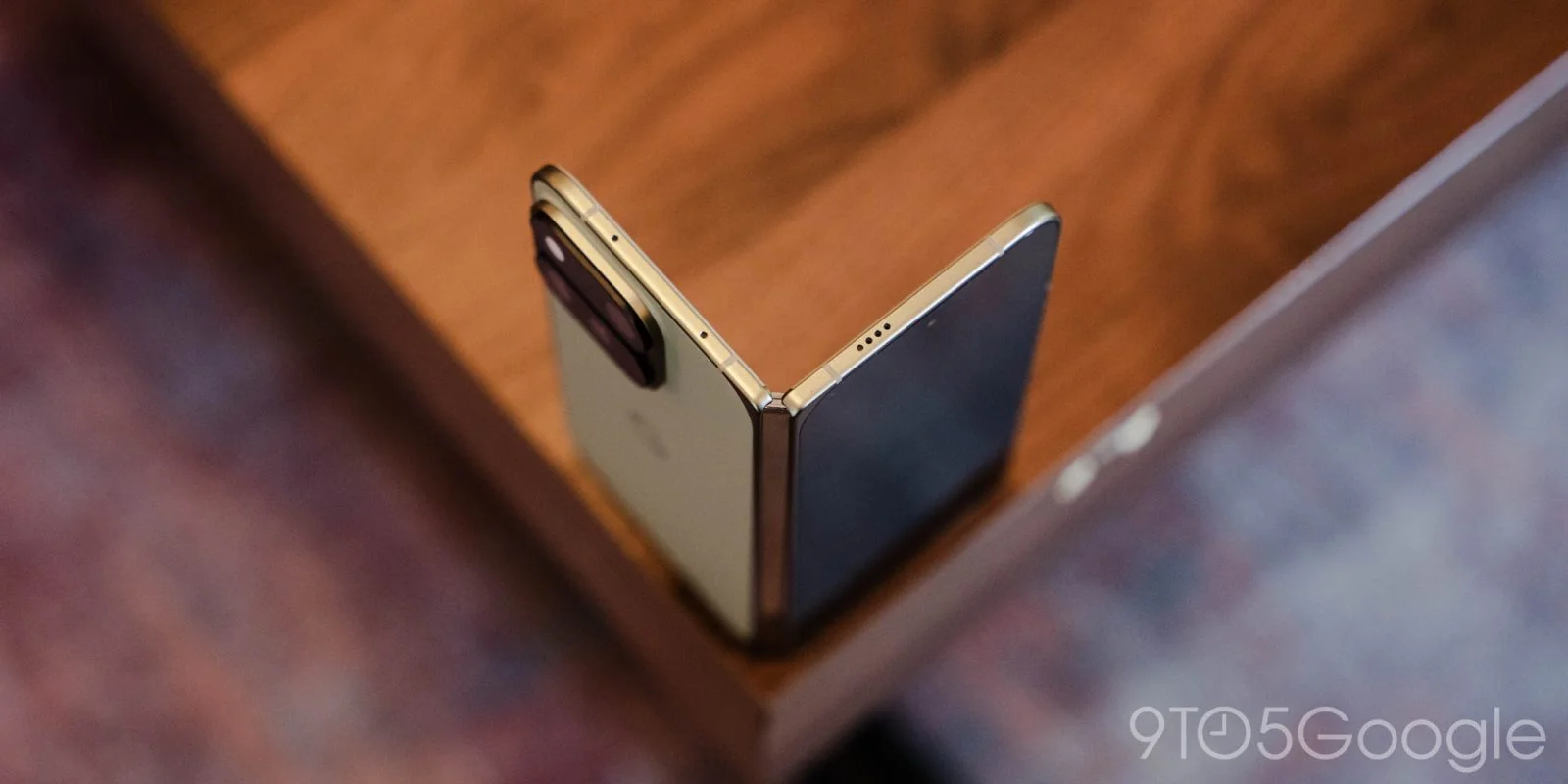
September Update for Pixel 11 Series
Google has rolled out a new security update for the Pixel 11 series before the anticipated Android 17 QPR1 update set for later this month. This out-of-cycle update includes a September 2026 security patch aimed at enhancing the overall performance of the devices. For users, security updates are essential. They not only protect individual privacy but also patch vulnerabilities that can be exploited by malicious actors. This month's update reinforces Google's commitment to maintaining the integrity of its devices, an area where any lapses can have significant reputational implications.
Details of the Update
Update 9/9: Following an initial on-device update for select users, Google has released factory and OTA images for manual installations. The recent updates are tagged “Sep 2026” and apply to the Pixel 11, 11 Pro, 11 Pro XL, and 11 Pro Fold. Manual installations allow more tech-savvy users to bypass the normal rollout schedule, which is vital when addressing critical updates. However, these updates can also result in complications if users aren't cautious during manual installations—a risk that underscores the need for clear instructions and user guidance from Google.
Expectations for Android 17 QPR1
Despite the rollout of this update, Google remains silent about the specifics of the Android 17 QPR1 release and the anticipated Pixel Drop. Users are left speculating about the features that will accompany this upcoming update. A lack of communication on key features can be frustrating for consumers who are eager to see improvements, especially since the Pixel series has often been touted for its software quality. The silence around QPR1 may feel concerning. After all, transparency builds trust, and without it, users might wonder about the priorities at Google.
What’s New in the Latest OTA
The latest OTA update, which reportedly hovers below 100 MB, involves a revision from CD1A.260714.001.A9 to CD1A.260905.001.A1. The content of the update presents a standard security patch note: “This update fixes critical bugs and improves the performance and stability of your device.” Such updates, while crucial, can often be seen as just a checklist item—something users expect but don't necessarily appreciate unless something goes awry. The tech community often fixes its gaze on flashy features rather than the underlying stability improvements that these updates offer. And that's an oversight. Every stability boost contributes to the cumulative quality of the user experience.
However, this update should not be mistaken for Android 17 QPR1, as many expected visual changes tied to that update are absent. Google's choice to deliver what can be seen as a rather mundane update could suggest a more methodical strategy. The release appears to be a quick fix addressing issues surfaced since last month's launch, indicating a proactive approach on Google's part. The fact that there aren't many visual changes isn't necessarily negative—it might signal a commitment to refining what’s already been released rather than continually shifting the goalposts. Users benefit from both fluid design and solid functionality, though the latter can easily be overshadowed by eye-catching interface updates.
Implications of the Updates
This cycle of updates has implications that extend beyond the immediate technological fixes. Google's continuing push to address security issues illustrates its acknowledgment of heightened concerns regarding cybersecurity. If you’re working in this space, the ongoing commitment to security updates ought to matter. As devices become increasingly interconnected, the importance of staying ahead of potential vulnerabilities cannot be overstated.
Additionally, the quiet anticipation surrounding Android 17 QPR1 showcases a broader trend among consumers: they want not just functional devices, but those that also look and feel cutting-edge. That said, when potential new features are overshadowed by silence, it leaves a vacuum of speculation. Users may turn to online forums and unofficial sources for information, which can sometimes lead to misinformation or unrealistic expectations.
And here’s the part most people overlook: while Google's approach may seem methodical, if users feel left in the dark too often, it could lead to disengagement. Maintaining a strong relationship with the user base involves striking a balance between delivering timely updates and effectively communicating what those updates entail.
The next wave of updates will likely play a crucial role in how users perceive the Pixel brand, especially in comparison to competitors. Without a doubt, staying relevant in today's tech market requires both technical excellence and clear communication strategies. If Google leans into this dual focus, it could foster a loyal community around the Pixel series and ensure that users are excited rather than anxious for what comes next.
Discussion
Sign in to join the discussion.