The iPhone Duo debuts heavier and thicker than its Android counterparts. While design choices impact portability, its appeal may still resonate with loyal users.
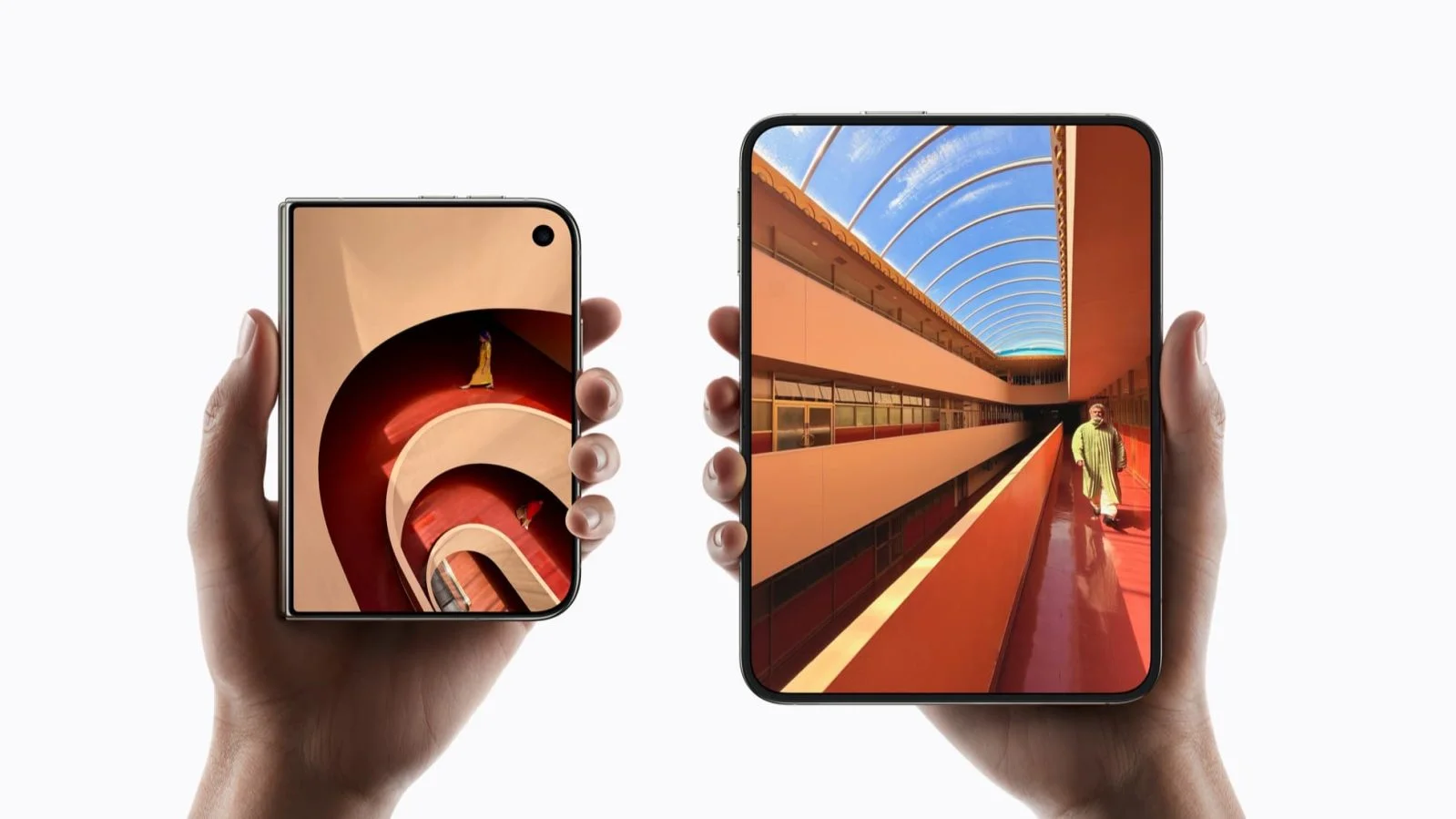
The upcoming iPhone Duo breaks the Android monopoly on foldable smartphones, debuting next month at a competitive price of $2,000. Apple's strategy of watching the foldable market since the original Galaxy Fold's release appears to have yielded some insights, though its new device raises questions about size and weight.
There's certainly excitement surrounding the iPhone Duo, which borrows several design elements from existing foldable models by Samsung and Google. From under-display camera technology to stylus support seen in prior Galaxy Z-series devices, Apple seems to want to make a strong entry. And let's not overlook a smooth transition between the inner and outer displays, plus playful software features like a "Made You Look" clone featuring Snoopy—all of which could attract attention even from ardent Android supporters.
Size and Weight: A Design Miss?
However, the iPhone Duo's bulk is hard to ignore. When closed, it measures 11.3mm in thickness and weighs 254 grams. For comparison, the Google Pixel 11 Pro Fold is 15 grams lighter at 239 grams, while the Galaxy Z Fold 8 Ultra weighs just 215 grams and the Galaxy Z Fold 8 is even lighter at 201 grams. Thickness for these competitors ranges from 8.9mm to 10.1mm — significantly slimmer than Apple's offering.
- iPhone Duo: 254g, 11.3mm closed
- Pixel 11 Pro Fold: 239g, 10.1mm closed
- Samsung Galaxy Z Fold 8 Ultra: 215g, 8.9mm closed
- Samsung Galaxy Z Fold 8: 201g, 9.7mm closed
This added bulk raises some eyebrows, especially given Apple's push toward lightweight devices like last year's iPhone Air. While the design choices reflect Apple's familiar aesthetics, the iPhone Duo seems to contradict the trend of sleekness and portability that's become standard in the premium smartphone segment. And here's the thing: consumers have grown accustomed to a certain degree of convenience and comfort in their daily devices. Keeping the device lightweight is an expectation that Apple appears to challenge with this launch. Although the iPhone Duo's design choices lean heavily on Apple's familiar aesthetics, this model falls short in the weight department. Google isn't too far ahead in this area. Its latest foldable has shed a few grams, yet the iPhone Duo still manages to trump the lighter 2025 Pixel 10 Pro Fold from just a month prior. But Samsung remains the frontrunner in creating sleeker devices, edging out both brands with a refined approach.
Stylus Support and Implications
The weight difference might partially stem from Apple Pencil compatibility. Samsung faced backlash when it eliminated S Pen support from the Galaxy Z Fold 7, a decision that resulted in a lighter, sleeker device. The last Samsung foldable offering stylus capability, the Fold 6, was 12.1mm thick, yet managed to be lighter than the iPhone Duo even after two years. Moreover, incorporating stylus support can add a layer of functionality that appeals to artists and professionals who demand precision in their work. This choice reflects Apple's effort to cater to a base that values both creativity and productivity—a strategic move given the rise of remote work and digital artistry.
While the bulkiness of the iPhone Duo might deter some, it's a different narrative for industry insiders and early adopters who look for a premium hardware experience. The added weight may not be a dealbreaker for those who prioritize performance over portability. However, it does pose a question of balance: can Apple successfully attract customers who are already entrenched in the foldable ecosystem without offering compelling advantages? While die-hard Android enthusiasts may be unimpressed by a device that doesn’t present a substantial advantage over existing foldables, iOS fans eagerly awaiting an Apple foldable may overlook the extra weight and thickness. This trend signals that, even with trade-offs in portability, Apple's loyal user base might embrace this new offering enthusiastically. Everyone loves a good chance to flaunt the latest tech, after all.
The Road Ahead: Implications for Apple's Future
The launch of the iPhone Duo is more than just the introduction of a new device; it could signal Apple's long-term strategy in the foldable space. If you're working in this space, keep an eye on how Apple positions this offering over the coming months. The effectiveness of marketing strategies around the Duo will significantly influence its success. Many consumers will want to see how the features blend into their existing Apple ecosystem—think seamless integration with other Apple devices. Apple's historical focus on brand loyalty means that even minor improvements in functionality or design could persuade existing users to transition.
Still, there’s a larger question at play: can Apple redefine the foldable experience in a way that gives it a competitive edge? The success of the iPhone Duo will likely depend on customer feedback and how well the device is received in real-world conditions compared to its sleeker competitors. With the foldable segment still being relatively new, every new entry adds to the discourse on what users want from their devices. The industry is watching closely, and that may pressure Apple to iterate quickly.
Discussion
Sign in to join the discussion.