The foldable smartphone market is expanding, with Huawei leading and Samsung struggling for second place amid declining clamshell sales.
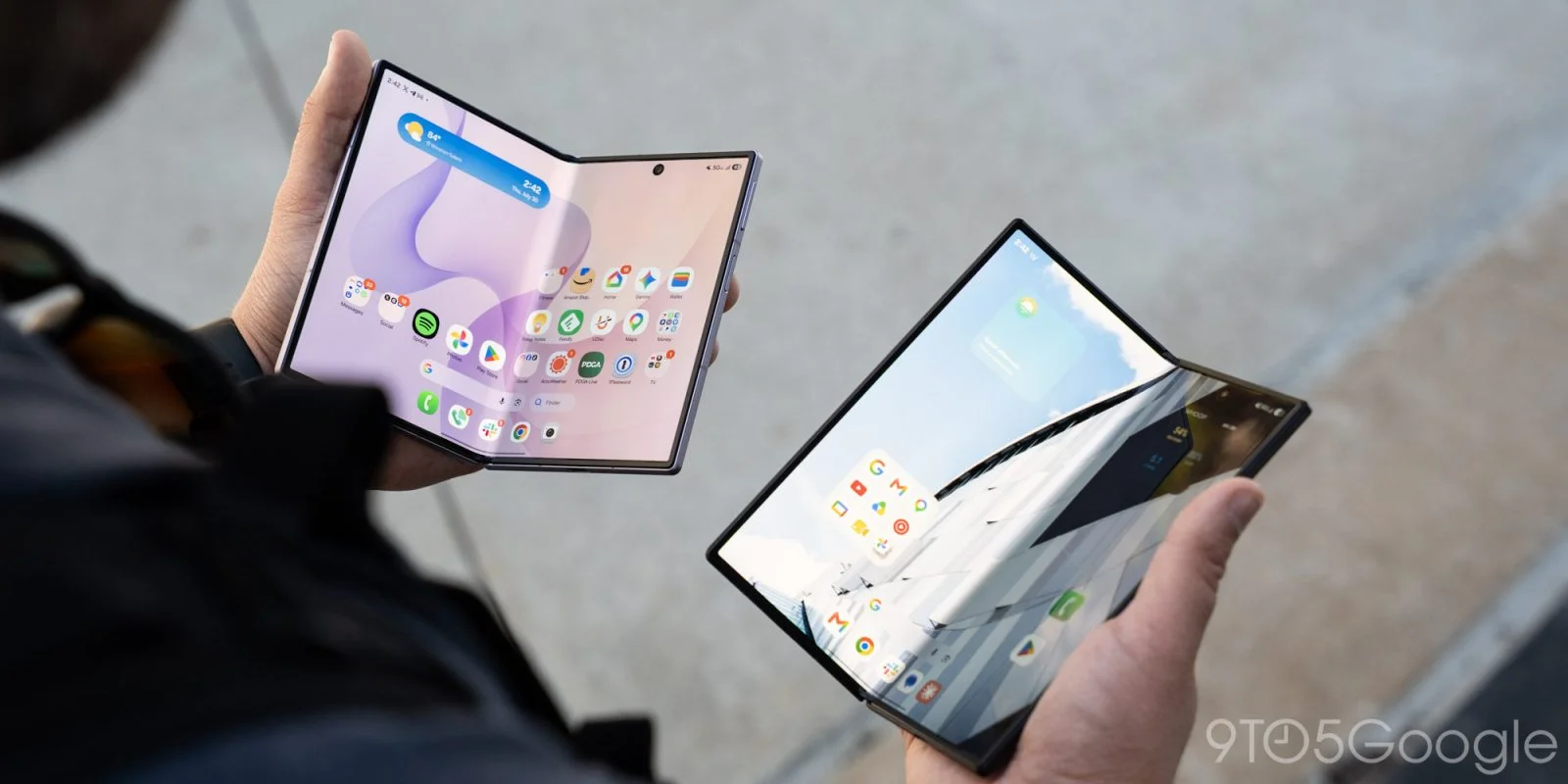
A recent analysis highlights a significant shift in the foldable smartphone market, emphasizing the growing preference for book-style designs over traditional clamshells. According to Omdia, the global foldable smartphone sector is expected to experience annual growth exceeding 20% through 2028, aiming for total shipments of around 36 million units. Notably, the first half of 2026 alone recorded 5.1 million shipments, though this figure marks a decline of over 20% compared to the previous year, primarily due to a staggering 47% drop in clamshell foldable shipments.
Book-Style Dominance
Book-style devices are rapidly becoming the prominent choice, with these models accounting for 69% of foldable shipments in early 2026. The report suggests that devices like Samsung’s Galaxy Z Fold 8 will be key to driving future growth in this segment, where versatility and larger screens appeal to consumers. This transition points to a deeper consumer preference for functionality and experience, rather than just novelty. Users increasingly seek devices that can serve more as productivity tools, a sentiment often echoed in conversations around foldable technology.
If you're working in this space, you might find that the demand for larger, multi-functional screens is reshaping how manufacturers design and market their devices. Book-style foldables, with their ability to combine portability with usability, are resonating more with buyers who want to use their smartphones for tasks that require greater screen real estate. The shift isn't just about aesthetics; it reflects a broader understanding of how people are using technology—not only for communication but also for work and entertainment.
Market Dynamics
However, Samsung's once-dominant position in the foldable market has weakened significantly. As of the first half of 2026, Huawei has emerged as the leading supplier, controlling 57% of global foldable shipments, while Samsung has dropped to a mere 18%. This trend is particularly surprising given Samsung’s pioneering role in the foldable category, launching some of the first commercially available devices and largely shaping consumer expectations around foldable technology. It’s a remarkable turnaround that highlights vulnerabilities—especially as companies like Huawei capitalize on their growing market share, primarily in China.
What this means for Samsung is a considerable challenge ahead. Despite the impending launch of the Galaxy Z Fold 8, the gap in market share demonstrates that consumer loyalty can be fickle. Huawei’s rise, bolstered by its strong domestic market and aggressive pricing strategies, indicates a potential shift toward brands seen as more innovative or offering better value. And yet, Samsung’s struggle also highlights how even the most established players can falter when faced with increased competition and changing consumer preferences.
Other Competitors
Perhaps more concerning for Samsung is the growing presence of other manufacturers. Brands like Honor, Oppo, and Vivo are not only entering the foldable arena but are also actively capturing market share, thus suggesting a more fragmented market. Samsung must work harder to reclaim its position amidst a flurry of new entrants, each striving to offer unique features that attract buyers who are increasingly looking for value and functionality. This competition will likely push innovation but may also dilute overall market pricing, creating challenges for all players involved.
(And this is the part most people overlook.) The enthusiastic response to these challengers emphasizes the landscape’s dynamic nature. As more brands launch foldable devices that potentially offer greater affordability and tailored features, the battle for consumer attention intensifies. Samsung may need to focus on differentiation—enhancing user experience, marketing effectively, and possibly re-thinking pricing structures to respond to these emerging threats.
Future Outlook
Looking ahead, foldable devices continue to garner praise for their growing popularity but are still projected to represent a relatively minor segment of the total smartphone market. Estimates suggest that foldables will account for less than 3% of global smartphone shipments by 2030, translating to around 45 million units. This underscores both the potential for growth and the challenges still facing the category. Though the market has shown promise, it’s clear that mainstream adoption may still be some years away.
This is more significant than it looks. The current focus on book-style foldables suggests that manufacturers are beginning to understand consumer priorities, but the hesitation to embrace the technology fully speaks volumes. Only time will tell whether foldables become integral to personal technology or remain niche products. If consumer perception shifts positively, sparked by innovative features or price adjustments, the trajectory could change dramatically.
Discussion
Sign in to join the discussion.