The Google Pixel 11 introduces customizable vibration patterns that sync with ringtones, enhancing user notifications beyond traditional alerts.
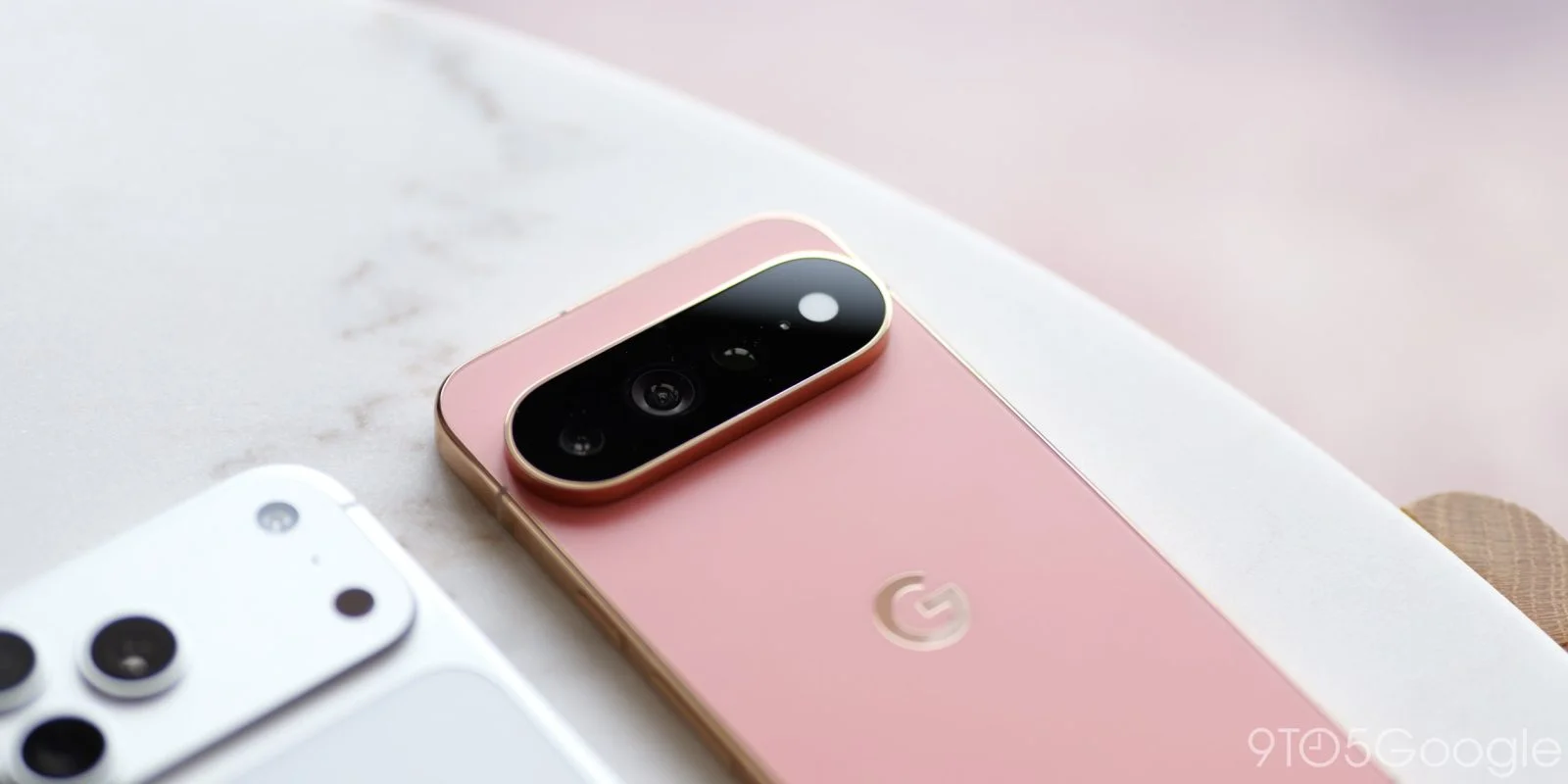
Google's Pixel 11 builds on its predecessors' impressive haptic feedback capabilities, presenting a fresh feature that customizes vibration patterns to match specific ringtones. This update isn't just a gimmick; it represents a thoughtful enhancement to how users interact with their devices.
Enhancing User Experience Through Haptic Feedback
In recent years, smartphones have focused heavily on visual interfaces, often at the expense of tactile interactions. Google's approach with the Pixel 11 challenges this trend. By letting users customize vibration patterns aligned with their favorite ringtones, Google is signaling a return to creating a more sensory-rich experience.
This isn't merely about offering something new; it's a nod to the ways people have become accustomed to engaging with their devices. Vibration technology has evolved enormously, from simple buzzes to intricate feedback mechanisms designed to evoke emotional and contextual responses. With this new feature, Google acknowledges that sound and touch can productively interplay, enhancing communication and alerts.
Customization at Its Core
Within the Pixel Sounds app, users can now assign unique vibration patterns that resonate in sync with selected ringtones. This aspect of personalization might seem minor, yet it can significantly alter how notifications are perceived. Imagine being in a meeting and your phone vibrates in a distinct pattern that you’ve linked to an important contact versus a generic alert. That’s not just a notification; it’s an experience tailored to fit important moments in your life.
This new feature currently supports a select array of ringtones from Google's own "Pixel Sounds" collection, including desirable tones like “The Next Adventure” and “Lollipop.” The idea behind curating this collection lies in making sure that users have quality options that can match the enhanced haptic feedback—some ringtones may be less conducive to nuanced vibration patterns, after all.
That said, users will find some limitations, as not all ringtones can interact with this feature. Only a handful from the collection are compatible. But the silver lining is that users can still design custom vibration patterns for any ringtone they choose, granting them a level of agency that many consumers appreciate. If you're working in this space, you know that such features can easily become selling points.
An Evolving Feature List
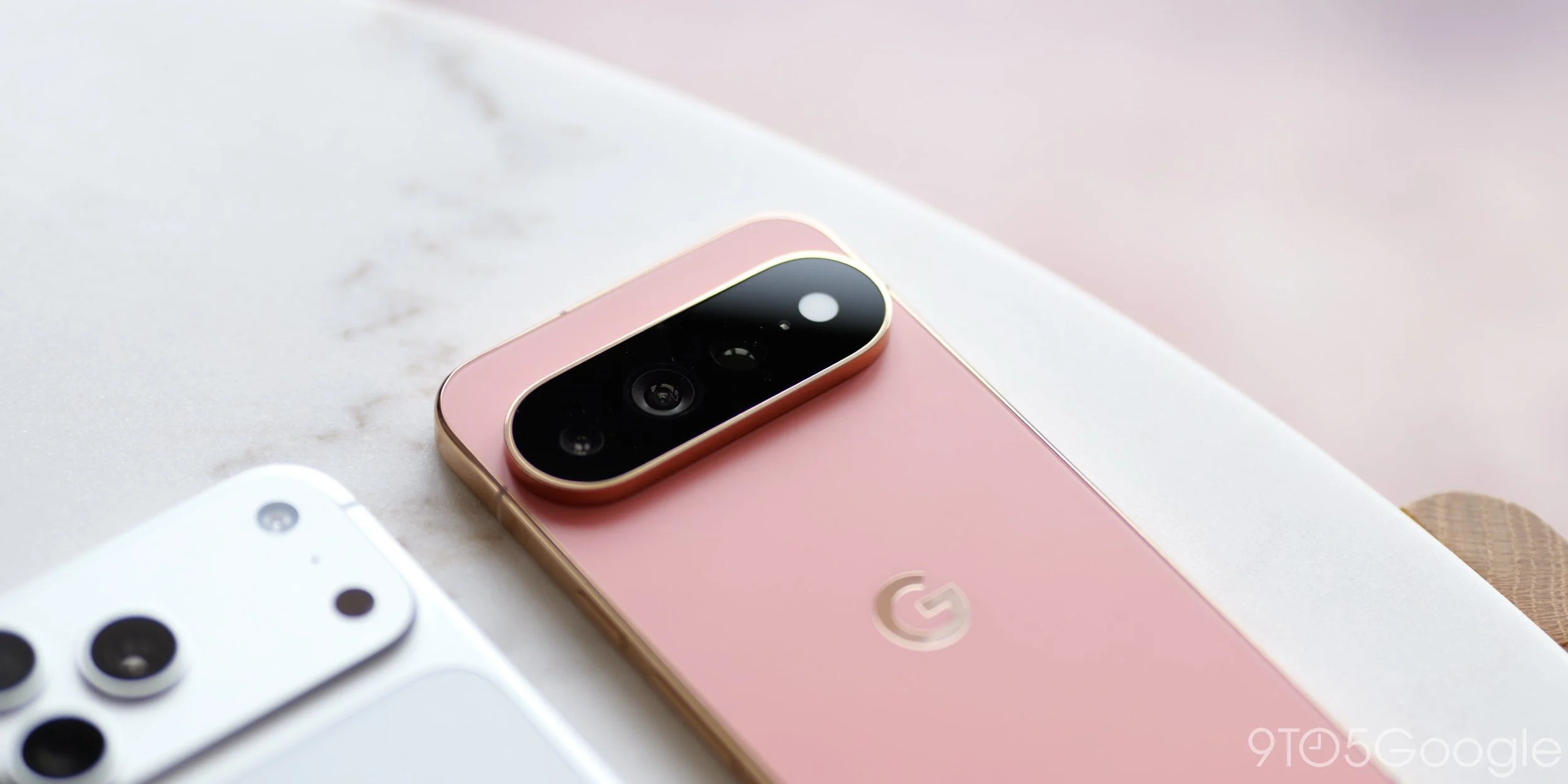
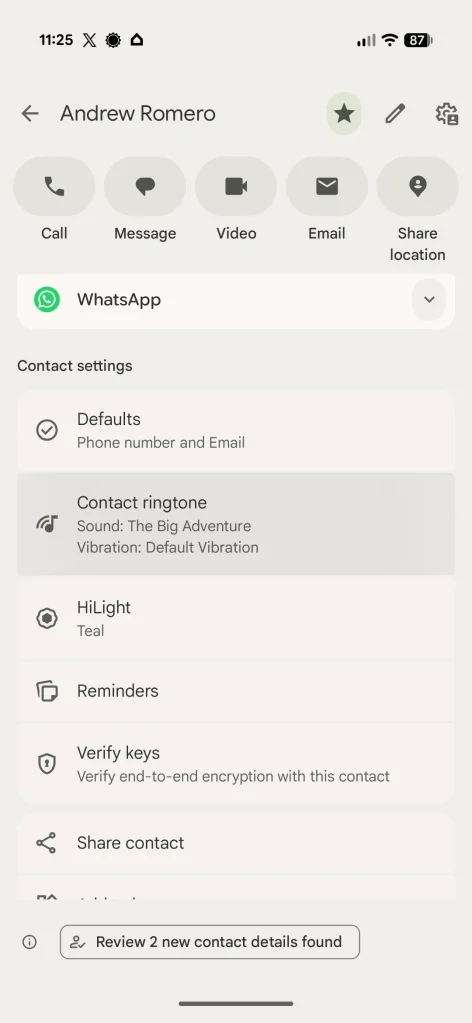
This new capability showcases how Google is improving haptic feedback in subtle but impactful ways. Early mentions of this feature circulated as far back as early 2025, but Pixel 11 users can now finally enjoy it. Customization extends even further, allowing individual contacts to have both personalized ringtones and vibration patterns. This aspect hasn’t gone unnoticed; sources like Android Authority hailed it as an important step forward for the Pixel line.
However, with any new feature rollout, the real question remains: how much will users actually use it? Personalization is trendy, but it can also become overwhelming. Users might find themselves inundated with options, leading to decision fatigue. Finding a balance between customization and user-friendliness is key to maintaining engagement.
The Bigger Picture: User Experience Redefined
This feature reflects Google's ongoing commitment to enhancing the user experience through thoughtful upgrades, making the Pixel 11 a compelling choice for both new users and loyal fans alike. But let’s be honest—will users care enough to make it a daily part of their routine? The trend is toward minimalism, and while haptic feedback provides a personalized touch, some may find it superfluous. Google’s efforts to redefine user experience with such nuanced features might risk getting lost in a saturated market where simplicity reigns.
This push towards customization fits neatly into the broader narrative of smartphone development, where personalization is increasingly seen as a marker of premium devices. Some brands have prioritized it to such an extent that people assume those options are standard fare, when in reality, they're often tailored features limited to certain models. Google's effort here could influence user expectations broadly—if it’s not tactile, does it not feel personal enough anymore?
Implications and Future Outlook
You’ve got to wonder: what’s next? If this haptic feature resonates well with users, it could pave the way for more sophisticated interaction methods in future devices. The implications stretch beyond just ringtones; the vibrational feedback could be adapted to convey alerts for texts, emails, or even calendar reminders—each customizable to fit the user's preference.
There's also the potential for third-party developers to jump in, creating an ecosystem of sounds and vibrations that could further enhance the user experience. Imagine a world where app notifications vibrate in distinct patterns, creating a unique “fingerprint” for each notification type. That’d elevate the usability and functionality of the device significantly.
So, while the Pixel 11’s haptic feedback feature might seem like a small development, its implications for user interaction are interesting. It could redefine how we view the symbiotic relationship between sound and touch in our devices. How will other manufacturers respond? That's something to keep an eye on.
Discussion
Sign in to join the discussion.