Samsung's upcoming One UI 9.5 will feature a new custom widget tool, enhancing user experience with personalized interface options.
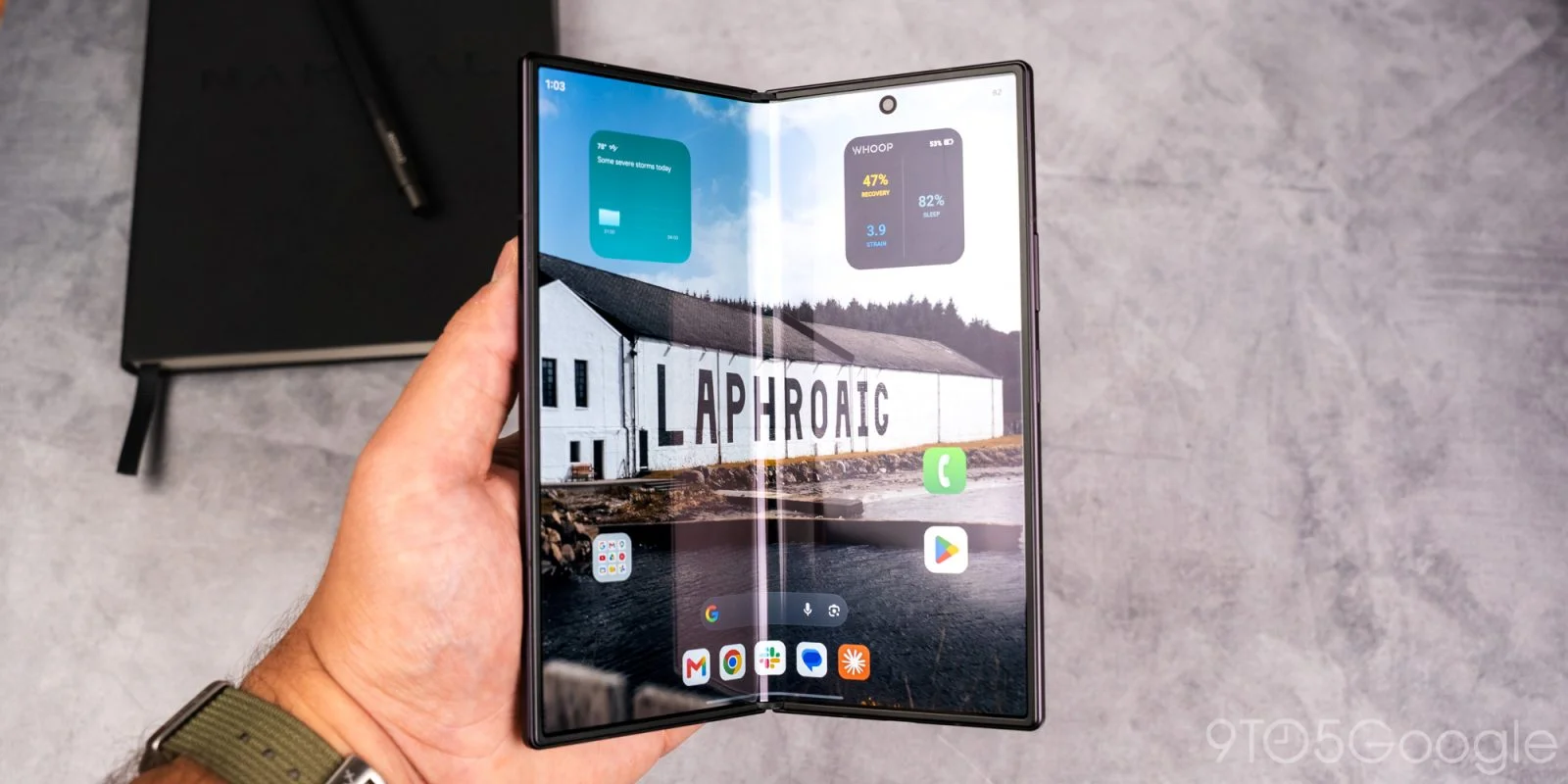
Samsung's New Widget Tool: An Overview
Samsung is currently working on a custom widget tool as part of its One UI 9.5 update, closely aligned with the anticipated features of Android 17. This move points to a broader trend in the smartphone industry, where personalization options are increasingly prioritized. Customizable features like this aren’t just a nice-to-have; they enhance user engagement and satisfaction by tailoring the smartphone experience to individual preferences.
Samsung's foray into enhancing its widgets follows Google's recent announcements regarding similar functionalities, which aim to enrich user experiences on Android devices. By introducing more interactive and customizable elements, companies like Samsung and Google are tapping into user demands for greater control over their devices’ interfaces. It’s becoming clearer that personalized widgets can transform otherwise standard tasks into more accessible and engaging features.
One UI 9.5 and Upcoming Device Releases
As the launch of Android 17 approaches, Samsung's new version of One UI—version 9.5—is set to debut on flagship models like the Galaxy Z Fold 8 and Galaxy Fold 8 Ultra. This timing is strategic. By unveiling these features coinciding with a significant OS upgrade, Samsung aims to capture user interest and attention, galvanizing both new and existing customers around its ecosystem.
A leaked build of One UI 9.5 has ignited intrigue across tech forums, as it hints at exciting new features. Among them is the much-anticipated widget creation tool, which allows users to design their very own widgets. Such functionality not only piques curiosity but also places Samsung in direct competition with Google on the customization front. Users who value individuality in their digital experience are likely to see this as a strong differentiator.
Features and Functionality of the Custom Widget Tool
The new custom widget tool is engineered to enable users to create personalized widgets that fit into a modular layout. According to leaked images, it appears that users can stack multiple widgets together in a single tile. This represents a shift from more traditional approaches, where widgets are often limited by specific app anchors. Samsung is mirroring Google's design philosophy, focusing on enhancing the user experience through greater flexibility and accessibility.
What’s particularly appealing is the ability for users to define their own widget requirements. Imagine being able to pull information from various applications, like calendar events and messaging alerts, into one coherent widget. That’s not just efficient—it’s a simplification of the user experience, which can help in managing daily tasks more effectively. This kind of integration aligns well with the needs of users who want quick access to essential functions without wading through multiple apps.
Google's Contribution and Samsung's Position
In May 2026, Google confirmed that widget functionalities would be available on both Pixel and Samsung devices. This direct collaboration could elevate the overall user experience across platforms, leading to customizations that enhance user productivity and engagement. While Google has already established its capability in widgets, Samsung’s ambitious move with One UI 9.5 showcases its competitive spirit in the Android ecosystem.
The full details of each feature will likely remain unclear until the official rollout, which raises questions. Will Samsung’s implementation match users' expectations? Are they prepared to deliver a fluid experience that truly feels integrated? With so many variations and possibilities, users' reactions will ultimately guide the success of this initiative.
Existing Features and Room for Improvement
Interestingly, these new functionalities appear to complement Samsung’s existing Daily Brief feature. The latter allows personalized updates and information to be presented to the user, but many still find it lacking in terms of polish and usability. This dual approach—enhancing widget capabilities while refining existing features—could either strengthen Samsung’s offerings or create confusion if the integration isn’t smooth.
It's clear that progress is needed. Users desire greater functionality in their widgets and expect those features to integrate with their daily lives more naturally. This ongoing evolution signals that while Samsung is aiming high with its new features, the execution must be seamless to avoid leaving users frustrated.
Implications and Future Outlook
As summer comes to a close, the potential release of Samsung’s “Create My Widget” tool looms. However, the uncertainty surrounding its timing raises questions about the competitive landscape. Android manufacturers are continually vying for dominance, and features like this can significantly impact user loyalty.
What this means for you, the end-user, is that your choices in smartphone ecosystems will become more pivotal. The emphasis on personalization in device interactions can shift how you engage with technology entirely. This isn’t just about widgets; it’s about how you can tailor your device to meet your precise needs.
In the end, the excitement surrounding this update may be warranted, but discretion is necessary. Samsung has previously launched features that didn’t fully reach their potential. Will they hit the mark this time? That remains to be seen. You might be watching closely.
Discussion
Sign in to join the discussion.