Google has released Android Auto version 17.4 to address persistent disconnects and freezes reported by users, improving in-car connectivity.
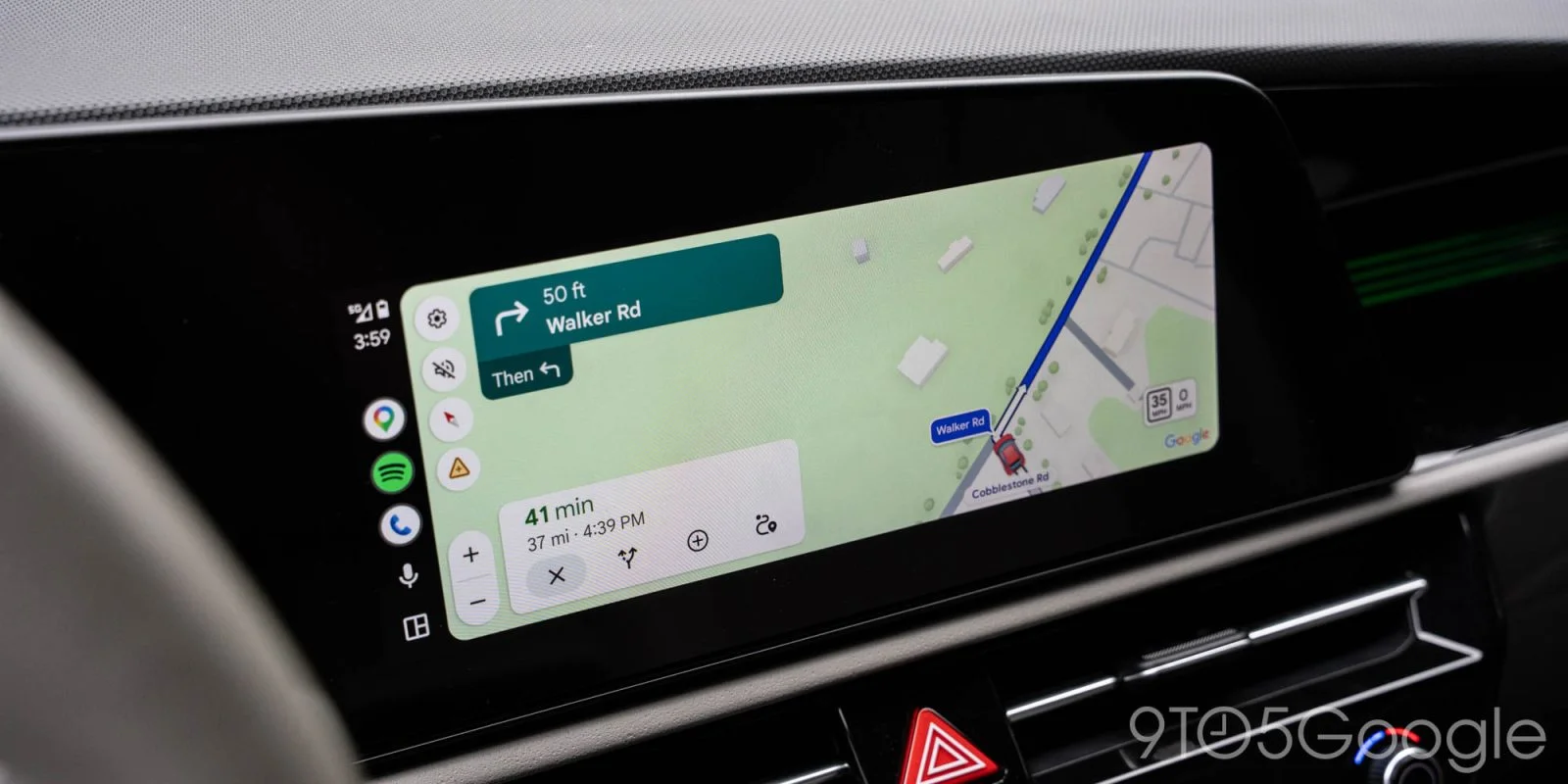
Recent weeks have seen a surge in reports from Android Auto users experiencing frustrating disconnects and freezing issues. Many have noticed these problems occurring frequently, disrupting their driving experience with no apparent pattern across different devices and vehicle setups. Such inconsistencies can create real safety concerns, leaving drivers distracted and frustrated when they should be focused on the road.
Impacts of Connectivity Issues on Consumer Experience
For a service that enhances navigation and offers various features to make driving easier, these glitches have understandably drawn attention from affected users, who have been eager for a resolution. A smooth interface and reliable connectivity are essential for infotainment systems, especially given how integrated these tools have become in modern cars. When users can’t access their maps or music, what was once a journey of convenience turns into hassle.
Drivers rely on their in-car systems for navigation, communication, and entertainment. Thus, the ramifications of connectivity issues extend beyond mere annoyance; they can compromise driver attention and ultimately safety. When a user’s attention is diverted due to frustration with freezing screens, the potential for accidents rises significantly. The disconnects can turn a seemingly trivial technology issue into much more serious concerns on the road.
Google's Response and Software Updates
In response to this user feedback, Google announced that updates starting with Android Auto version 17.4 should effectively address these connectivity issues. A Community Specialist from Google provided assurance that applying the latest version will likely rectify the disruptions. This approach reflects a common trend in tech companies: quick patches in response to user complaints can be crucial for maintaining brand loyalty.
Google's transparency in acknowledging the problem and pushing out an update shows an understanding of the challenges users face. Many tech firms face backlash when they overlook bugs or fail to communicate effectively, so this strategy may help Google retain customer trust. In the competitive landscape of automotive technology, keeping users informed and up to date is an effective way to strengthen relationships with consumers.
“Thank you for your feedback. We are pleased to report that the team has implemented a fix. Please update your Android Auto app to the latest version (17.4 or above), which should solve the problem.”
This open communication contrasts with many companies that often fall silent during such crises, only to spark more frustration. Users typically appreciate timely updates and clear instructions on how to resolve their issues. Google’s decision to roll out Android Auto 17.4 as a solution underscores the importance of a responsive support system that aligns with user expectations.
Subsequent Updates and Future Prospects
Android Auto 17.4 is now obtainable via the Play Store, with further advancements in Android Auto 17.5 being rolled out steadily to both beta testers and standard users. This phased approach to updates is indicative of how tech companies often manage software revisions, allowing for real-time testing before a full public release. While this strategy can mitigate risks, it’s vital for users to stay informed about which version they’re running and what features or fixes they’re missing out on.
You'll notice this two-stage update process is essential for maintaining system integrity. If something goes wrong in the testing phase, a wider rollout could worsen the situation. Conversely, if beta users report a trouble-free experience, Google strengthens its position as a reliable tech partner for driving. It’s a balancing act that demonstrates both caution and innovation.
Challenges Remain for Android Auto
Despite these recent fixes, Android Auto isn't off the hook yet. While version 17.4 aims to solve connection issues, the persistent nature of such problems raises questions. If you’re working in this space, you know that technical glitches are more than simple bugs; they reflect on a brand's reliability and commitment to service quality.
The reality remains: automotive technology is complex. With different vehicle setups, varying hardware configurations, and diverse operating environments, creating a one-size-fits-all solution is challenging. And yet, in our increasingly connected world, users expect a perfect experience. A failure to meet those expectations can have significant consequences for a company's reputation.
Future Outlook for Android Auto and Users
Looking ahead, Google must not only address the current problems but also anticipate future challenges in the automotive tech space. As vehicles become more sophisticated and integrated with numerous tech systems, the potential for issues will only grow. This environment will require continuous updates and adaptive strategies to keep users happy.
And this is the part most people overlook: as new features and integrations roll out, the stakes will rise for companies like Google. They'll need to ensure that every new update is as smooth as possible; the competition won't wait for them to catch up. In a sector where user experience drives market share, the pressure is on.
Discussion
Sign in to join the discussion.