The Pixel 11 Pro challenges the iPhone 17 Pro with refined design, enhanced AI features, and camera capabilities, but does it measure up?
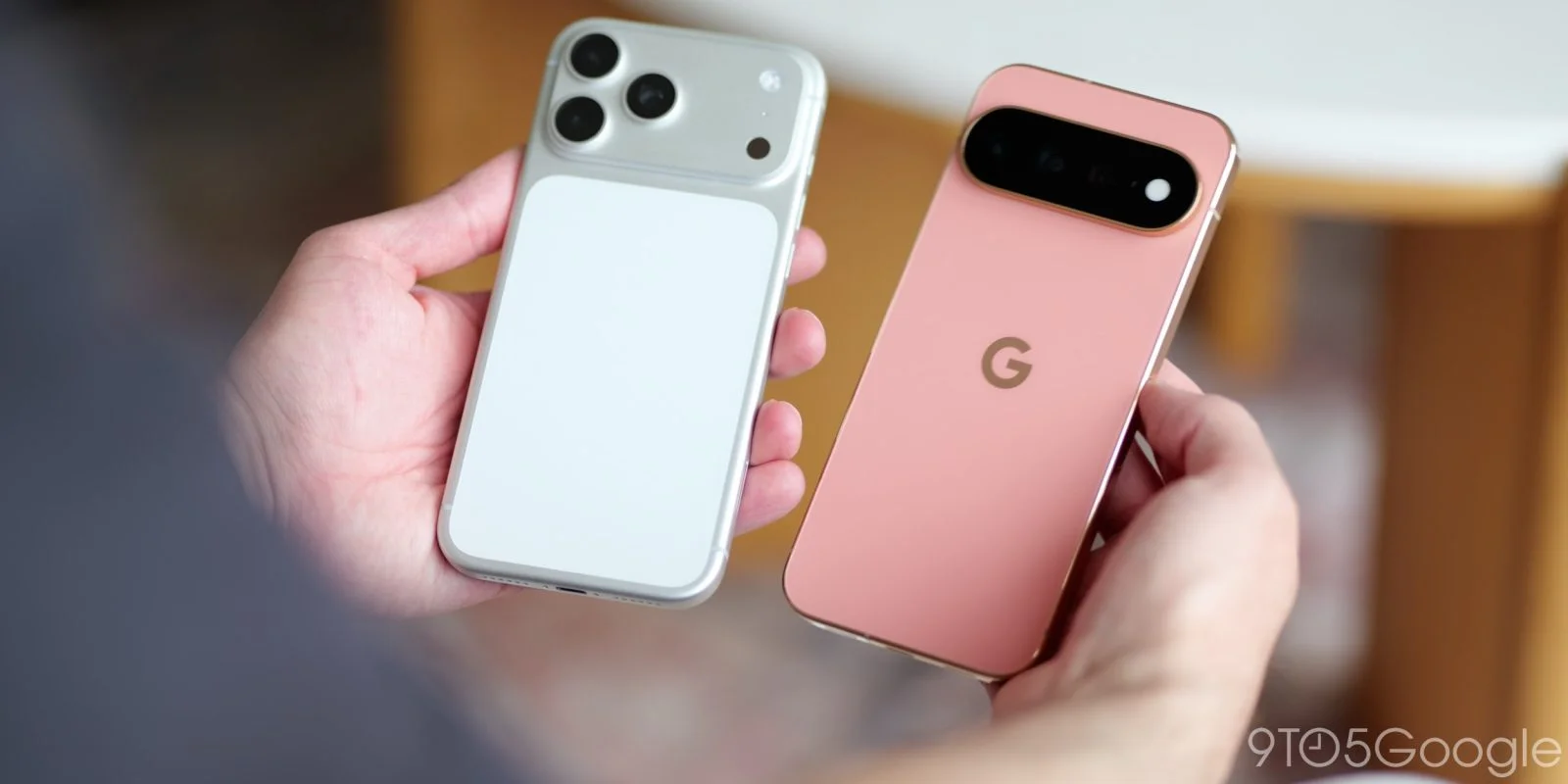
When comparing the latest offerings from Google and Apple, the Pixel 11 Pro positions itself as a strategic entry against the iPhone 17 Pro. With Google opting to launch its premium device ahead of the anticipated iPhone 18 series, this assessment seeks to clarify how the Pixel 11 Pro stands in relation to its Apple counterpart.
Hardware and Design: Evolution vs. Stability
While Apple fans often critique its lack of significant design change, it’s become clear that the narrative has switched for Google. The new Pixel 11 Pro and its flagship Pro XL follow a pleasingly familiar design language with subtle refinements—unexpected when considering Google's historically dynamic design updates. The overall aesthetic continues to attract users, demonstrating that if something works, it may be wise to keep it.
The physical construction of both devices showcases a mix of metal and glass, creating an elegant yet sturdy finish. However, one noticeable difference lies in the magnets. iPhones exhibit stronger magnetic technology, offering more assurance for accessories like mounts, whereas the Pixel's magnets seem less robust—an area where Google could improve.
On the display front, the Pixel 11 Pro raises the stakes with a stunning peak brightness of 3,600 nits, leaving the iPhone 17 Pro Max’s 3,000 nits in the dust. The tuning, however, tells a different story: Google favors vibrant, saturated colors while Apple opts for more muted tones. Users can adjust their preferences easily on the Pixel, giving it a slight edge in adaptability.
Artificial Intelligence: Feature-Rich Yet Contrasting
AI continues to be a key battleground between the two giants. With Google’s recent emphasis on integrating more AI-driven functionalities into its software, the Pixel 11 Pro feels particularly forward-looking. The introduction of Gaussian blur and frosted glass effects across various features in Android 17 is evidence of this trend.
Meanwhile, Apple is attempting to keep pace by enhancing Siri’s capabilities through its Gemini Intelligence initiative, which directly competes with Google’s offerings. Interestingly, despite Apple’s improvements, users report that Siri still struggles with task execution at times, highlighting that both companies are in a race to perfect their virtual assistants.
However, Google is leveraging AI more overtly within its camera system. The Pixel 11 Pro showcases Pro Res Zoom and Magic Camera features enhancing photography experiences without the need for complicated setups. In contrast, the iPhone keeps a tighter grip on AI involvement, appealing more to purists who favor traditional photography techniques.
Camera Capabilities: Competing for Supremacy
When it comes to photography, both the Pixel 11 Pro and iPhone 17 Pro present robust options but with distinctive philosophies. Google's introduction of Camera Looks offers a strong alternative to Apple’s Photographic Styles. By incorporating more AI features into its camera workflow, Google provides photographers with diverse and intuitive tools, albeit at the potential sacrifice of organic image capture. The Pixel’s skin tone reproduction stands out, thanks to Real Tone technology, which enhances everyday users' photography experiences.
Yet some criticize Google’s reliance on AI, suggesting excessive enhancement could be blurring the lines between photography and image creation. Conversely, Apple’s hardware excellence continues to shine, enabling the iPhone to maximize its camera’s potential without heavily leaning on AI additions. Each device has its strengths, but the stark difference in approach could make a notable impact on customer preferences.
Positioning in the Market: The Battle Continues
As Google launches the Pixel 11 Pro ahead of the iPhone 18, it seems the company aims to secure an early advantage. Yet, the absence of distinct visual changes may hinder the Pixel this year, particularly as Apple has made greater strides in crafting noticeable upgrades. While both devices offer exceptional technology, the Pixel 11 Pro might lack the compelling value narrative when compared directly to the base model of the iPhone 17 Pro.
In summary, Google is taking calculated risks with the Pixel 11 Pro, and it certainly raises relevant questions about innovation and market presence in the premium smartphone segment. The challenge remains: can Google convince users that it’s a worthy investment against a well-established iPhone brand? Only time will tell.
Discussion
Sign in to join the discussion.