Google's Pixel 11 Clear Case falls short in quality and protection, making its high price tag unjustifiable for smartphone users.
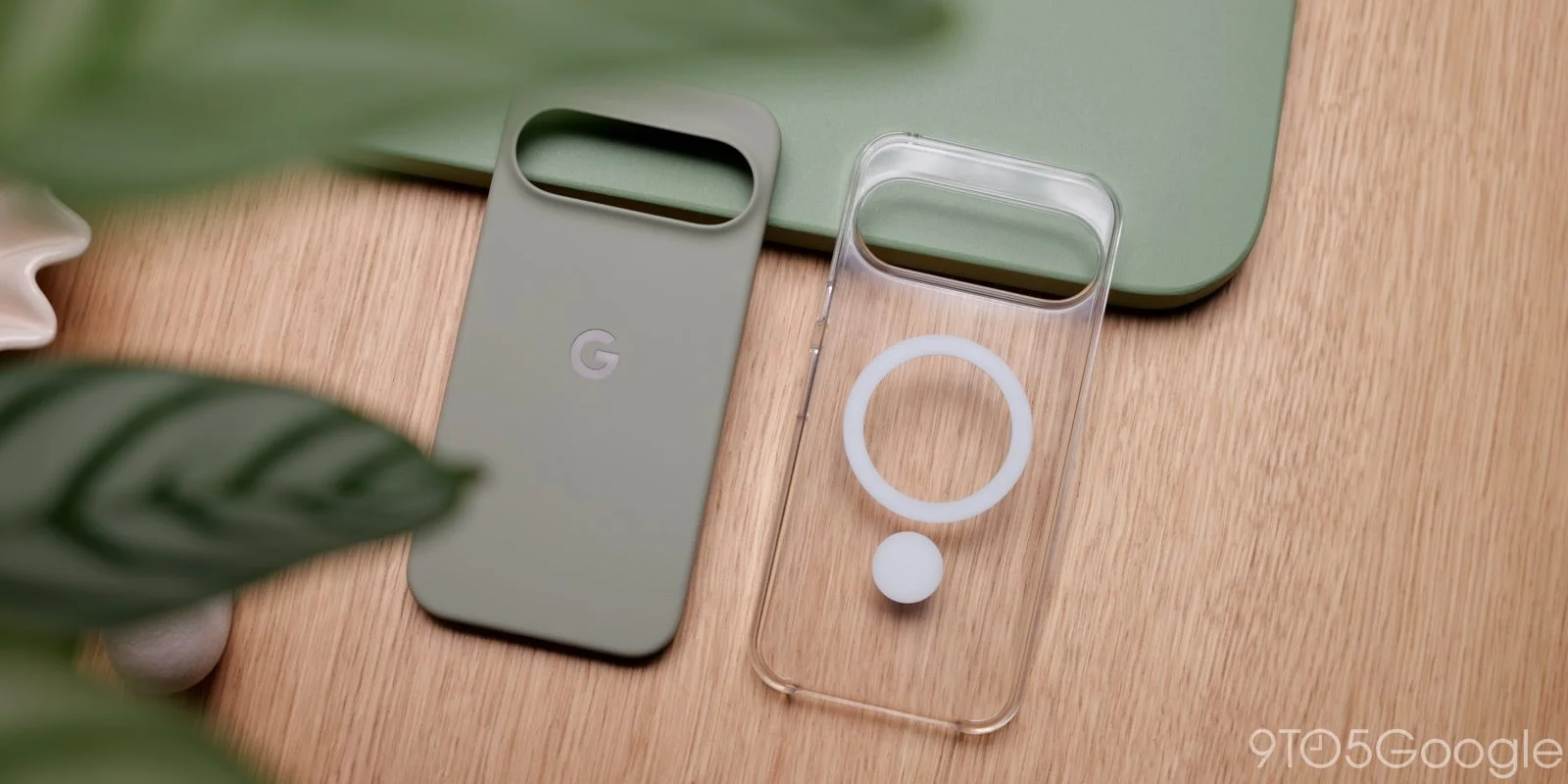
When purchasing a new smartphone, most buyers often consider a case to protect their investment. It’s no coincidence that cases are among the most searched accessories following phone launches. As consumers look to safeguard their gadgets from scratches, drops, and other everyday perils, many find themselves facing a myriad of choices. While there’s an abundance of third-party options available, the temptation to get an official case from the manufacturer can be strong, especially for the latest Pixel 11 series. However, my recommendation is clear: avoid the overpriced Pixel 11 Clear Case. At $50, this offering isn't justifiable.
The Case Pricing Paradox
For reference, the price matches Google's older colorful cases, which aren't particularly impressive either. This raises questions about Google’s pricing strategy in the accessories domain. Many consumers have come to expect a premium for official cases from manufacturers, often justifiable by superior design or materials. Instead, in this case, buyers are met with a price point that seems misaligned with the product's value.
More staggering is that it is only $25 less than the Bellroy leather wallet case—a testament to the poor value of Google's clear case. In a market flooded with options, you'd expect a case from a tech giant like Google to offer not just a sense of brand security, but also design choices or features that third-party options may lack. Yet, here we have a case that doesn't come close to warranting its price tag, leaving consumers frustrated and confused.
Performance Analysis
Examining the case’s performance reveals it doesn't improve the user experience beyond what you’d get from any generic TPU case. This category of product often demands a delicate balance: the need for protection paired with maintaining the sleek aesthetic of the device. While you might hope that its design enhances magnetic support, there’s little observable difference from third-party brands. Consumers should not have to pay a premium for a basic design that lacks functional advantages. You could easily find a comparable case from Spigen for around $15, demonstrating significant savings.
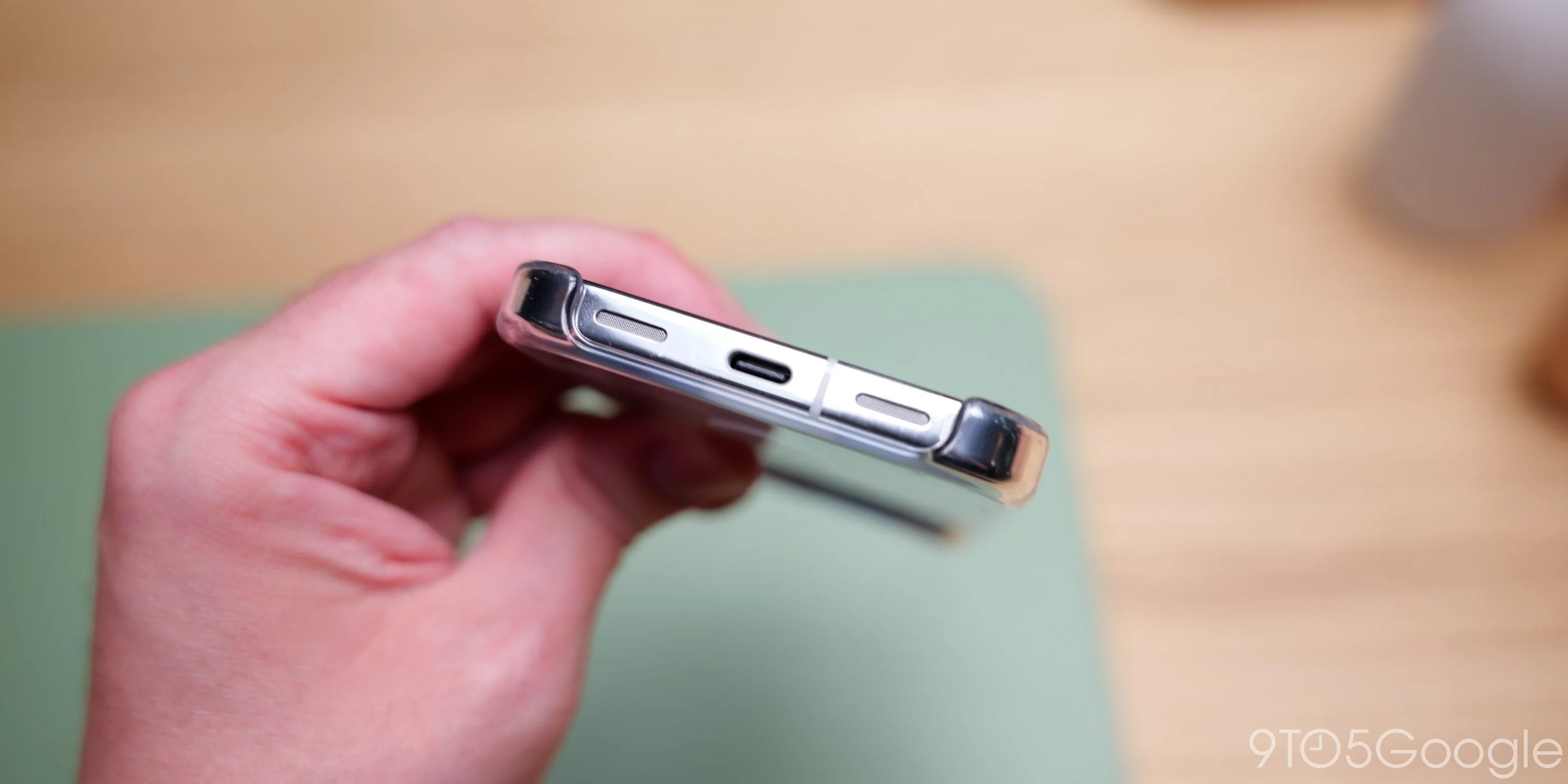
Spigen's offerings have garnered a solid reputation among consumers for practical design and reliable protection. The price point alone implies a market recognition that Google's case fails to capture. In fact, Spigen’s offerings provide better functionality. Google's case has one notable flaw—its unprotected bottom edge—and this vulnerability could lead to screen damage with an ill-timed drop. For consumers, who may already be shelling out a considerable amount for the Pixel 11 itself, an additional monetary blow for an ineffective case seems unjustifiable.
Durability and Longevity
The transparency of Google's case also shows a tendency to yellow more rapidly than Spigen’s, indicating less durability with time. Many smartphone users, especially those who prefer minimalist designs, value not just protection but also how the case affects the investment they’ve made. The fading aesthetic could lead to a disappointing resale value, as buyers often judge a device partly on its physical condition. In a climate where value preservation is key, consumers cannot afford to overlook such issues.
Comparing the Third-Party Advantage
This isn’t a promotion for Spigen's case; it's recognition that existing third-party options excel where Google falls short. During the past few years, the third-party accessory market has exploded, with companies developing products that frequently outpace official offerings in both design quality and price. The Pixel phone range lacks the variety and quality in cases that other smartphone ecosystems, like Apple's or Samsung’s, offer. For those consumers, the choice becomes straightforward: is it worth risking your device's integrity for a brand name? Most would answer no.
As Google’s Pixel line grows, there’s a clear need for better first-party case designs. Unlike Google, Apple and Samsung consistently offer diverse and durable cases that not only complement their devices but enhance user experience. For Google to remain competitive, especially in markets where accessory choices heavily weigh on purchasing decisions, improvement is essential. Hopefully, the Pixel 12 will bring improved accessories that meet user expectations for quality and value.
Future Outlook: What Lies Ahead
If you're working in this space, consider the implications of these pricing and design choices. Google may need to rethink their strategy surrounding accessories if they wish to dissuade customers from opting for third-party alternatives. As smartphone technology continues to evolve, customers are becoming increasingly price-sensitive; they won't settle for lackluster products, especially when viable alternatives exist. The success of future Pixel models could rely significantly on whether Google grasps the relationship between price, quality, and user experience.
In this fast-paced industry, consumers expect not only cutting-edge technology but also supporting products that reflect the same level of innovation and care. And yet, Google's current accessory approach tells a different story—one that consumers might not be willing to forgive.
Discussion
Sign in to join the discussion.