Google Maps users are experiencing traffic data disruptions on Android Auto, with ongoing reports of incomplete navigation features.
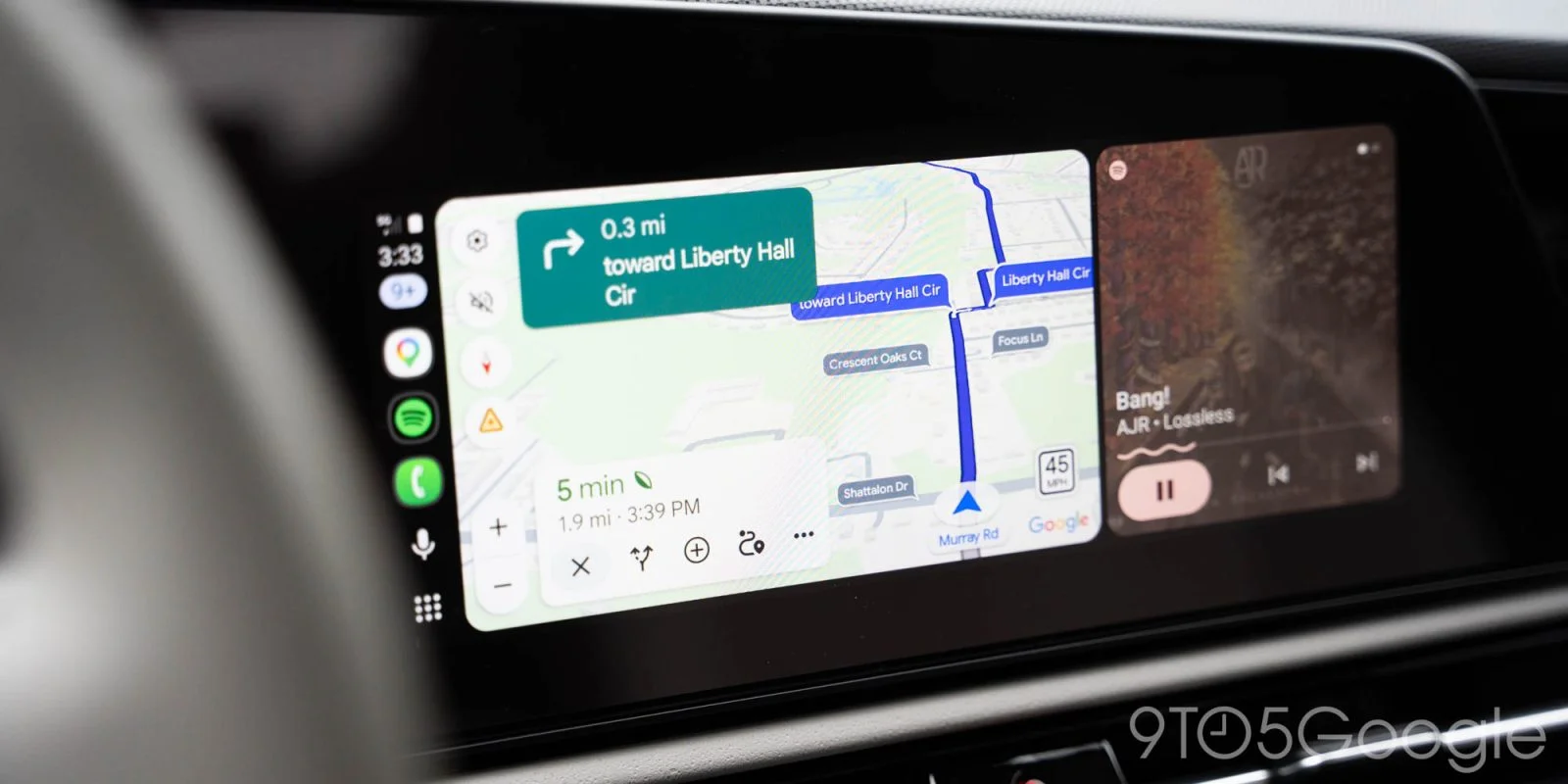
Google Maps is widely recognized for its efficiency as a navigation app, yet users are currently grappling with recurring issues, particularly surrounding traffic data. Recently, problems have emerged, notably impacting those utilizing Android Auto. This isn’t just a minor hiccup; it underscores the reliability challenges facing one of the tech industry's most relied-upon tools.
Traffic Data Issues: A Closer Look
Under normal circumstances, Google Maps generates color-coded traffic indicators: green (or blue) signals free flow, yellow denotes slowdowns, and red reflects congested or halted traffic. These visuals are indispensable for choosing the most efficient routes. The user expectation is simple yet vital: accurate, real-time traffic updates that can help avoid time-consuming detours.
However, that functionality is proving unreliable for many users at the moment. For those who depend on Google Maps for daily commutes or longer journeys, the lack of dependable traffic data can lead to significant frustrations. As urban congestion grows, the ability to access real-time traffic updates isn’t just desirable; it's becoming essential. When the app fails to deliver this, it detracts from the user experience and compromises what many see as one of Google's strongest offerings.
Recent Developments and User Frustrations
Interestingly, reports from July highlighted a notable disruption in traffic data, prompting a response from Google to resolve the issue. Yet, the problem appears to have resurfaced, with Android Auto users bearing the brunt of its effects. This cyclical nature of software issues can be disheartening, especially when the very updates meant to improve functionality sometimes result in setbacks. It’s the kind of situation that can alienate users, particularly those who expect a certain standard from a widely used application.
Issues have been reported over the past two weeks, particularly in the last several days, indicating that traffic data remains problematic within Android Auto. Users are frustrated, and understandably so. While some features still display traffic conditions, the primary navigation view often lacks essential information. The inconsistency means that drivers may receive incomplete information when they need it most. This glitch also affects users when operating the app directly from their phones, compounding the frustration.
To this point, Google hasn’t officially recognized these ongoing issues, leaving many users frustrated without a clear solution. The silence from the company isn’t just perplexing; it raises broader questions about customer service priorities in tech today. In an era where user feedback is more accessible than ever, ignoring these concerns doesn’t bode well for user trust.
Some in the user community speculate that rolling back updates to Google Maps provides a temporary fix, but that's hardly an ideal long-term solution. The workaround may allow users to regain some functionality, but it sidesteps the larger issue: the need for a reliable and high-performing product moving forward.
User-Centric Approaches and Expectations
When it comes to navigation and mapping services, users aren't just looking for a functioning app; they expect a user-centric approach built on consistent performance and transparency. The issues with Google Maps offer a telling glimpse into the challenges faced by major tech companies. They must not only innovate but also ensure that existing systems operate reliably and stay relevant to users' needs.
It's easy to take for granted the ability to access vastly important information at a moment's notice. However, when that capability is compromised, the consequences can be significant. If you're working in this space, you'll recognize just how quickly user sentiment can shift from loyalty to dissatisfaction. The stakes are high for Google, as they grapple with balancing feature enhancements against the need for stability in their core services.
Implications and Future Outlook
So what does this mean for the future of Google Maps? In an age where apps can shape the way we navigate our days, failures like this can reverberate throughout the user community and potentially affect market share. Users who depend on accurate data may start looking for alternatives, which can create openings for competitors. And this is the part most people overlook—how quickly user loyalty can wane when expectations aren't met.
This type of sustained reliability issue often leads to more than just a temporary backlash; it can lead to longer-lasting changes in behavior. Users frustrated by these interruptions may seek alternative mapping solutions, particularly those that can provide real-time data with reliability. That said, Google remains deeply integrated into several aspects of users' digital lives, so the stakes are high for them to address and rectify these issues promptly.
Looking ahead, Google may need to enhance its strategy regarding user communications. Acknowledging problems quickly and being transparent about fixes can go a long way. In an environment cultivated by heightened user engagement and expectations, how Google responds to current issues may serve as a litmus test for the company’s customer relationship management.
More on Google Maps:
- Ask Maps in Google Maps now features Personal Intelligence and real-time transit updates globally.
- Immersive Navigation and speedometer features in Google Maps are rolling out to more Android Auto users.
- Google Maps on Android Auto received a redesign aimed at reducing distraction with improved alerts.
Discussion
Sign in to join the discussion.