Shifting from the iPhone 15 Pro to the iPhone 16 highlights a focus on practicality and features that match everyday user needs, not just Pro specs.
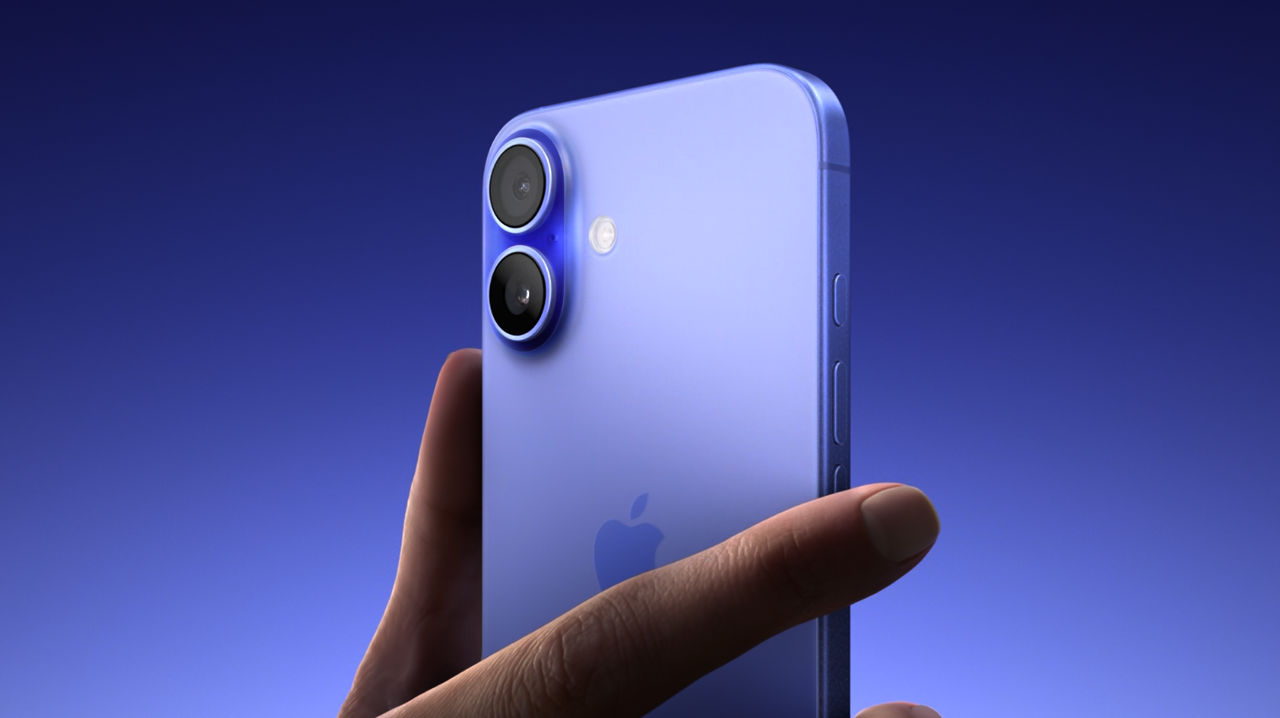
After years of being a committed "Pro" iPhone user, the recent launch of the iPhone 16 made me reassess my status in Apple's ecosystem. While I've typically gravitated towards the Pro options for the latest features, the lines have blurred significantly as regular models now pack many advanced functionalities. This opens up a conversation about how Apple’s strategy is changing and what that means for a segment of users like me.
Take the iPad mini, for example. With its 6th generation, it became my go-to reading device, and the M2 MacBook Air drew me away from the Intel MacBook Pro due to its compelling performance. It seems that Apple has tailored many features, historically exclusive to the Pro line, to the standard devices, making them more appealing for typical users like me. This trend could signal a shift in how consumers perceive value in Apple products — why opt for high-priced luxury when you can get just as much functionality for less?
Downgraded in Name, Upgraded in Functionality
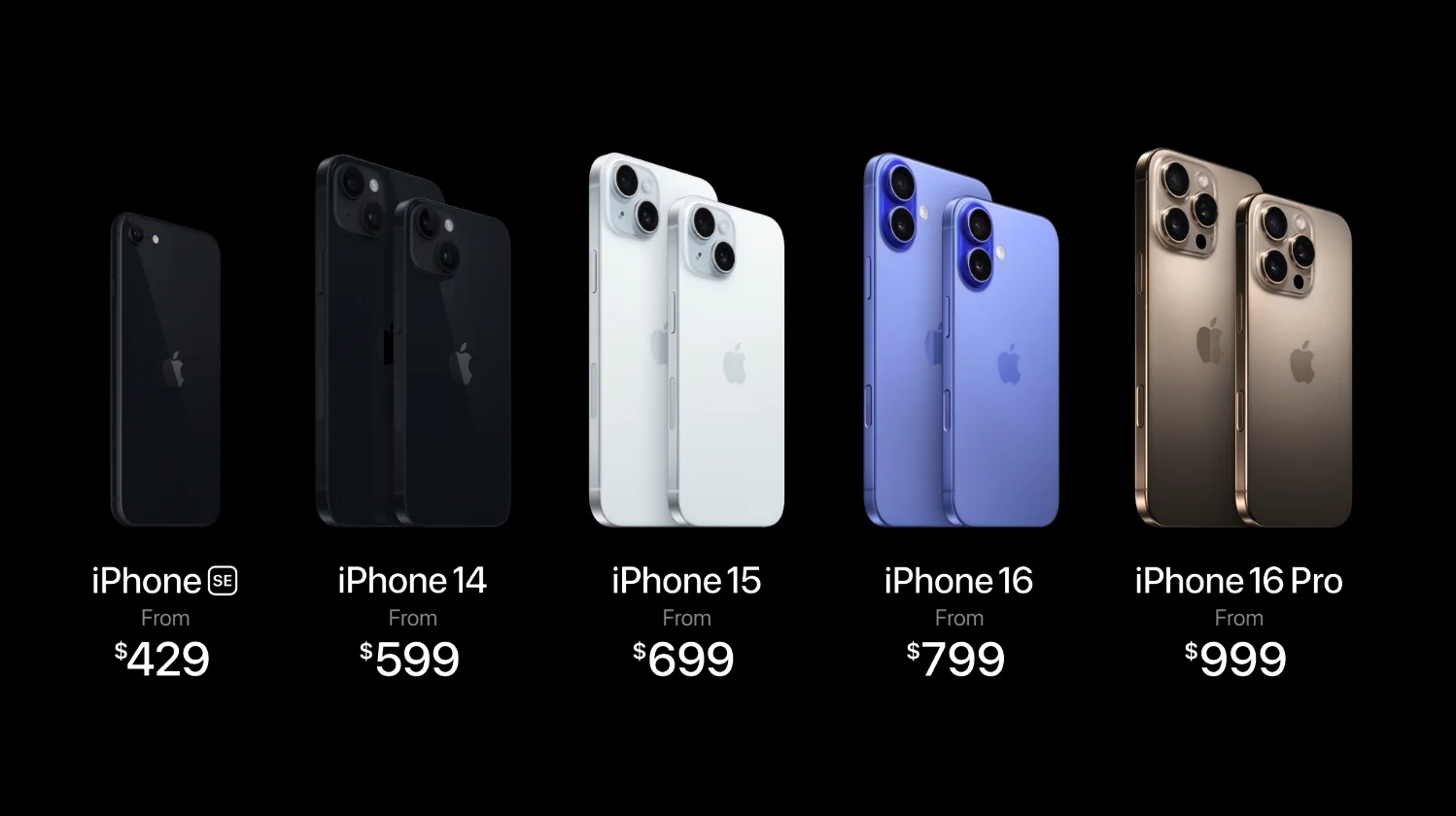
Having explored the features of the iPhone 16—such as Apple Intelligence, Camera Capture button, and Action Button—I've come to realize that the advanced capabilities of the iPhone 16 Pro, like Pro Motion and the Always-On display, simply won’t fit into my lifestyle. The additional cost of approximately $200 for features that wouldn’t be utilized feels unjustified. A considerable portion of the iPhone user base is likely experiencing a similar reckoning. Many are opting for functionality that aligns more with daily usage rather than the bells and whistles that Pro models offer.
Interestingly, I’ve found that I prefer the look and feel of the aluminum finish on the standard iPhone 16 over the titanium of my iPhone 15 Pro, which has smudged frequently. The titanium finish, while more premium, often detracts from the usability due to its susceptibility to fingerprints. Weighing less and being more compact, the iPhone 16 recalls the charm of the iPhone 13 mini—perfect for those who prioritize ease of use over flair. It’s a welcome shift as I transition to a device that caters better to my everyday needs, highlighting how Apple is making its devices user-friendly.
So, while I'm moving away from the Pro label, this shift to the iPhone 16 is shaping up to feel more like an upgrade than a downgrade. It’s lighter on my wallet and designed for users who appreciate practicality over luxury. This change in focus is a telling sign. Could Apple be pivoting from merely targeting tech enthusiasts with deep pockets to addressing the broader market? Judging by my experience, the answer likely skews toward yes. Plus, I won’t stress as much about potential damage since it’s less premium than its Pro counterpart.
This thought process isn’t just limited to iPhones; I’m also considering a switch from the Apple Watch Ultra 2 to the Apple Watch Series 10. Once again, it’s a straightforward case of finding a more affordable and lightweight option that still meets my most important needs. The Ultra 2, while equipped with advanced features, often feels more than I need for daily activities like tracking my steps or monitoring my heart rate. It's almost as if Apple is inviting users to rethink what "pro" means in their lives.
By next week, my lineup might be devoid of all but the AirPods Pro. Although Apple introduced the AirPods 4 with improved noise cancellation, my current AirPods Pro 2 still excel in blocking out the airplane noise I encounter regularly. The subtlety here is significant: while earlier iterations of products drew clear lines between what qualified as Pro and what didn’t, that boundary seems increasingly blurred. The focus now appears to be delivering key features that resonate with a broader audience.
Significance and Future Outlook
Acknowledging this shift away from being a Pro user feels liberating. After all, not everyone needs the top-tier specifications, and there's something refreshing about opting for practicality in technology. For many, the lure of the Pro branding carries less weight when standard models become more capable and affordable. If you're working in this space, consider how such a shift might affect customer loyalty and perception of brand value.
This rethinking of customer needs could set a precedent for how tech companies market their products in the future. With features that cater to the average user, Apple is broadening its appeal. The reality is that as technology advances, one doesn’t always need the latest or greatest to have a satisfying experience. Some may see this as diluting the meaning of Pro, while others might view it as Apple’s attempt to cater to evolving consumer expectations. Where that will lead Apple remains to be seen.
Stay updated with all the announcements from the Apple iPhone 16 event. Don't miss the latest on the iPhone 16, the iPhone 16 Pro, and more.
Discussion
Sign in to join the discussion.