The US iPhone 16 eschews the SIM card tray in favor of eSIM, while global models retain the traditional option, highlighting differing features.
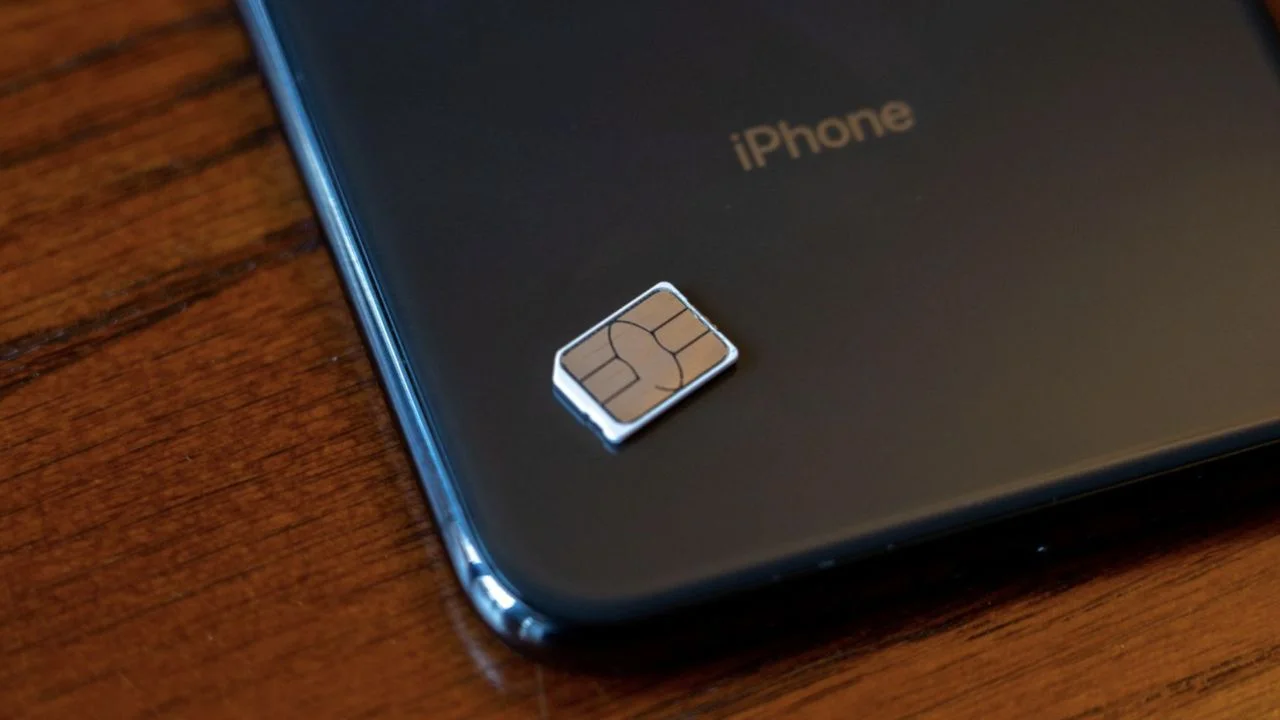
Buying a new iPhone 16 in the US means you're opting for a device without a SIM card tray, reflecting Apple's ongoing push towards an eSIM-only future. This shift, introduced with the iPhone 14, is absent in models sold outside the US, where the traditional tray remains intact. Interestingly, models released in the US have distinct model numbers, underlining their unique status. This suggests that Apple is not merely testing the waters but is committed to reshaping the way we think about mobile connectivity.
5G Capabilities Differ Between Markets
Another notable difference is in 5G technology support. iPhone 16 models outside the US lack compatibility with 5G mmWave, which offers high-speed connectivity but is often limited to optimal conditions close to 5G towers. The uneven implementation of this technology across regions raises eyebrows given its mixed performance, yet Apple continues to prioritize it for US models. This decision hints at Apple's strategy to cater to a market where ultra-fast internet is not just a luxury but increasingly viewed as a standard feature. However, rolling out mmWave technology in other regions could be seen as a missed opportunity for Apple to solidify its market presence globally.
Advantages of Going eSIM
Despite appearances, the transition to eSIM can offer significant advantages. Users can manage up to eight eSIM profiles, which allows for multiple numbers and networks on a single device, a feat that's especially beneficial for frequent travelers. Switching between numbers becomes effortless, eliminating the need for SIM ejector tools and reducing the chances of misplacing them. It's an uncomplicated solution that reflects a growing preference for flexibility in a connected world.
Further enhancing the design, removing the SIM card tray simplifies manufacturing for Apple and minimizes entry points for water and dust, thereby improving the longevity of the device. While this might seem like a minor tweak, it aligns with broader industry trends focused on device durability and user experience. If you're working in this space, understanding this could inform how you approach future design challenges.
For those still using older iPhone models with SIM trays, eSIM functionality remains available, providing a pathway to fully embrace digital SIM technology at their discretion. This might sound like a concession, but it signifies a step backward for many loyal users who prefer the tactile reassurance of a physical SIM card.
User Adoption Challenges
While eSIMs are gaining traction globally, their adoption in the US might still feel premature for some users. My experience with eSIMs, initiated back in 2020 in the UK, has been generally positive, even alongside devices that feature SIM card trays. However, there’s still a significant gap between early adopters and mainstream users who find change daunting. Transitioning from traditional SIM cards to eSIMs could prove challenging, especially for individuals who are not technically savvy or are deeply attached to the security of a physical medium.
Apple's focus on eSIM could unintentionally alienate certain segments of its customer base. The younger, tech-savvy crowd may embrace the change, but older users or those unfamiliar with mobile technology may find themselves at a crossroads. This transition may require extensive consumer education: Apple must ensure that users understand the benefits and operational ease of eSIMs, or risk backlash from frustrated customers.
Implications and Future Outlook
The shift to eSIMs has broader implications beyond Apple's lineup of smartphones. As mobile carriers continue to modernize their offerings, the eventual rollout of eSIM technology could lead to reduced reliance on physical SIM cards across the board. This has the potential to streamline operations for carriers, reduce production costs, and ultimately benefit consumers through more competitive pricing and service options.
However, it also opens the door to increased market consolidation. If eSIM technology becomes the norm, smaller carriers with less agility may struggle to compete, leading to fewer choices for consumers. What this means for you is simple: keep an eye on how eSIM adoption could shift the dynamics of the telecommunications market.
Apple's strong push for eSIM is already a talking point for tech commentators, and adoption rates will be a focal point for analysts in the coming months. Are consumers ready to move past physical SIM cards? The numbers here can set a precedent for how quickly other manufacturers, not just Apple, will follow this paradigm shift. The industry will be watching closely.
Discussion
Sign in to join the discussion.