Apple’s US study will examine how people use AI health answers, with optional HealthKit data and clear limits on medical advice.
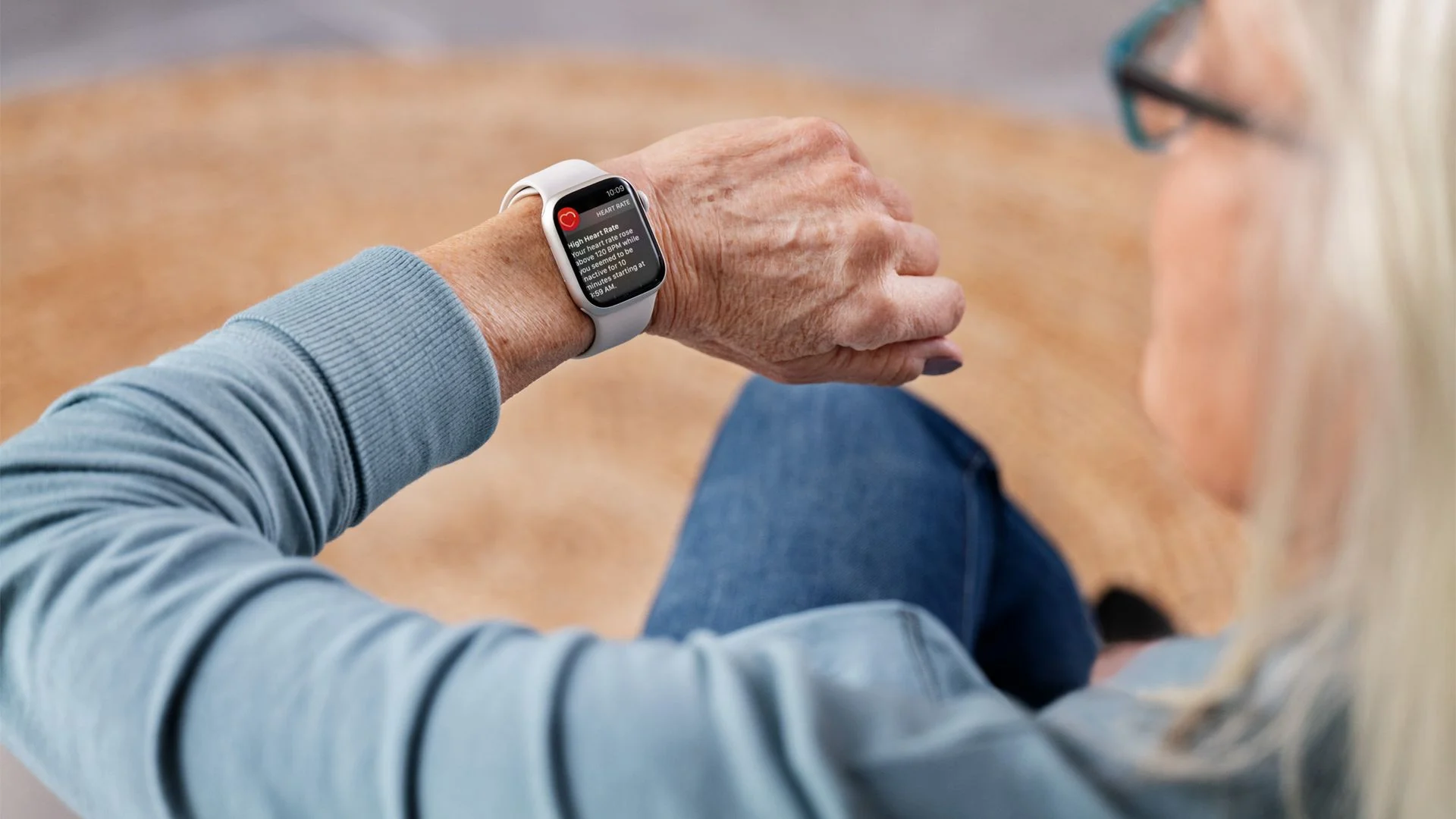
Apple’s new health AI study is less a preview of a digital doctor than a test of how people interpret machine generated medical information. That distinction matters because a fluent answer can sound authoritative even when it’s incomplete, unclear or poorly suited to the person asking. Participants can ask everyday health questions and review peer reviewed citations, but the app isn’t designed to diagnose or treat them. The central question is whether people understand those limits when they’re using the tool.
Announced on November 15 with OpenEvidence, the Apple Health AI Usage Study will track more than whether responses sound persuasive. Apple plans to study answer quality, comprehension, user trust and the health actions people take, including whether the tool helps them prepare for appointments. Those measures could show where a response is useful and where confidence in its presentation runs ahead of its value. The findings could inform how Apple and the wider industry design health AI experiences, though the announcement doesn’t say what changes will follow from the research.
Participation and health data are optional
The US study is open to as many as 200,000 adults aged 21 and older who have an Apple Intelligence enabled iPhone running iOS 26 or later. The app is free to download, which removes a direct price barrier but doesn’t remove the device and software requirements. Its App Store age rating of 18+ doesn’t change the study’s minimum enrollment age. Eligibility still depends on meeting the stated requirements, so the study won’t represent every person who might ask an AI about health.
Participants can choose whether to share HealthKit information such as sleep, resting heart rate and lab results, which may help generate more personalized responses. Survey sharing is also optional, giving participants a separate choice about providing information for the research. Apple says information collected for the study won’t be used to train AI models. That promise addresses a specific concern about how submitted information is used; it doesn’t, by itself, tell participants how helpful or accurate any individual answer will be.
That privacy commitment addresses one part of the trust question. The other is whether an AI response is accurate and clear enough to act on, especially when the subject is personal or consequential. Apple acknowledges that answers may be incomplete or confusing, and its App Store listing says the app and study don’t provide medical advice, diagnosis or treatment. That boundary is easy to state and harder to maintain in practice if a participant treats a polished answer as guidance.
Citations don’t replace clinical judgment
Linked clinical research gives participants a way to inspect the material behind an answer, but citations aren’t a guarantee that the response is right for a particular person. A source can be relevant to a general question while still failing to account for an individual’s history, symptoms or circumstances. The app’s references may help people see what an answer draws on, but reading a citation and judging how it applies are different tasks. Apple advises people with health concerns to consult a doctor or clinician and verify medical information with them.
The study arrives as people increasingly turn to AI with health questions. OpenAI reports that more than 40 million people use ChatGPT daily for health questions, while King’s College London reports that one in seven people have used AI instead of seeing a GP. These figures point to a real pattern of use, though they don’t establish that every user relies on AI in the same way or gets the same results. Apple’s study aims to learn what drives that behavior and how people assess the answers they receive. That’s a useful question: adoption alone doesn’t show whether people understand the limits of the tool.
A research project, not early access to a doctor
Apple has a strong position to study how people respond when health information sits alongside the data they already track on an iPhone. The combination may make an answer feel more personal, particularly when participants choose to share HealthKit information. But personalization can also make an answer seem more tailored than it really is. This is more significant than it looks: the way a system presents information can shape how much authority a user gives it.
Confidence in a company’s data protections doesn’t establish confidence in an AI system’s medical judgment. The study is useful precisely because it can examine that gap: what people trust, what they understand and what they do next. And this is the part most people overlook: a response can be factually grounded in published research and still leave a user unsure what to do with it. The research could help clarify whether citations and explanations improve understanding, but the announcement doesn’t establish what the study will find.
If you’re working in this space, the study’s scope is a reminder that evaluating health AI means looking beyond the answer on the screen. Comprehension, trust and follow up behavior matter because a tool’s effect depends partly on how people interpret it. Here’s the thing: measuring those effects doesn’t make the app a clinical service. It makes the study a way to examine how people use one.
For participants, the practical value is contributing to that research. The app remains a study tool with explicit limits, and anyone relying on AI for health questions should treat its answers as a prompt for discussion with a clinician, not a substitute for one. Useful context, perhaps. A clinical decision is another matter.
Apple’s announcement describes the study’s aims, eligibility requirements and privacy safeguards.
Discussion
Sign in to join the discussion.