Apple has tested Face ID for iPhone Duo 2, but integration work and a fall 2027 launch target leave its arrival in doubt.
Prototype progress meets a tight schedule
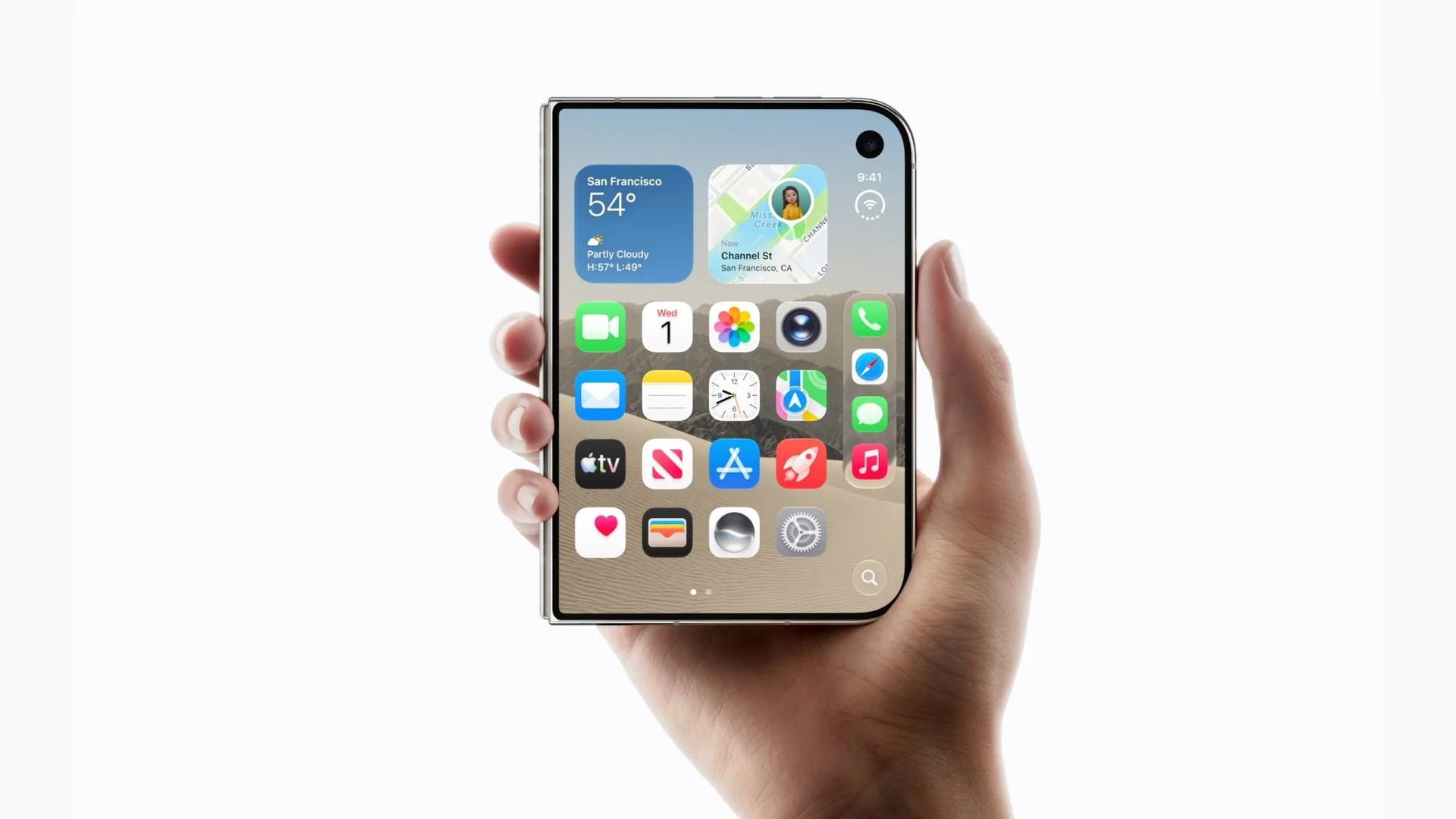
Face ID could determine whether Apple’s second foldable feels like a refinement or another expensive compromise. Apple has built iPhone Duo 2 prototypes with facial recognition, but engineers are still working to fit it into the outer display—and the feature may not make the planned fall 2027 launch. The distinction matters: prototype work shows that Apple is evaluating a design, not that the company has solved the engineering or committed to shipping it.
Mark Gurman reported the prototype work in his November 15 Power On newsletter for Bloomberg. He describes Face ID on Duo 2 as a “toss-up,” with no clear basis to bet for or against its inclusion. That wording puts the feature in the uncertain middle ground between an early experiment and a settled product decision.
The timing explains the uncertainty. Apple needs to settle Duo 2’s hardware features around now to keep its fall 2027 launch on track. A working prototype shows that the company is exploring the feature; it doesn’t establish that Face ID will ship. Hardware choices also depend on whether a feature can be integrated into the device in time, rather than simply whether engineers can demonstrate it in a prototype.
The outer display is a particularly visible test. It’s the screen users can reach when the foldable is closed, so facial recognition there could preserve the quick, glance-and-unlock routine people already expect from a standard iPhone. If the hardware can’t accommodate Face ID in that position, Apple would need to weigh a less convenient fallback against the cost of delaying or dropping the feature.
Unlocking is part of the foldable’s everyday design
The first iPhone Duo relies on Touch ID. For users accustomed to glancing at a standard iPhone to check a notification, fingerprint unlocking can add friction—especially when the phone is sitting on a charging stand out of reach. That practical difference makes Face ID more than a specification on a foldable this expensive. It affects the small, repeated interactions that shape whether a new form factor feels natural after the novelty wears off.
Touch ID is familiar, and it gives Apple a way to unlock the device without facial recognition. But the interaction depends on reaching the sensor, which can be awkward when the phone is propped up or when the user only wants to check something quickly. Face ID could reduce that effort if it works reliably from the outer screen. The caveat is right there in the report: Apple is still working on that integration.
This is more significant than it looks. A foldable already asks buyers to adjust how they hold, open, and use a phone; an unlock method that feels less convenient can make those adjustments more noticeable. The feature won’t define the entire product, but it could influence whether the device feels like a practical iPhone or a collection of compromises attached to a large screen.
Apple has more than one upgrade to weigh
Face ID appears to rank ahead of other changes Apple is considering for future Duo models. Gurman says the company also wants to add a telephoto camera and make the device thinner and lighter over the next couple of generations. That leaves open which improvements could arrive in Duo 2 and which may wait. A product team has to balance these goals against the physical and schedule constraints of a foldable, where changes to one part of the design can affect the rest.
The list also shows why a second-generation device shouldn’t be judged by a single feature. A telephoto camera could broaden the camera system, while lower weight and thickness would address how the phone feels in hand and in a pocket. Face ID solves a different problem: the ease of using the device in ordinary moments. If you're working in this space, the tension is familiar—buyers may want every upgrade, but each generation has to turn a wish list into a product that can actually ship.
Feedback from first-generation owners may also arrive too late to shape the successor. With Duo 2’s hardware nearing its decision point, customer suggestions are more likely to influence Duo 3, according to Gurman. For current owners, that means the next model may not address every complaint about the original’s controls and handling. Timing matters as much as the feedback itself: once major hardware decisions are close to being locked, even useful criticism may be better suited to a later product cycle.

The original Duo’s trade-offs can outweigh its appeal. One reviewer returned the roughly $3,000 foldable after two weeks, citing Touch ID, button placement and the awkwardness of adapting familiar phone interactions to the device. Touch ID was especially inconvenient when checking notifications from a charging stand, where Face ID would allow a quick glance. That experience is one person’s account, not a full measure of how owners feel, but it gives the design question a concrete shape: small inconveniences can carry extra weight when a phone is both unfamiliar and expensive. For buyers who consider facial recognition essential, the question is whether Duo 2 can deliver it—or whether the wait extends to a later generation.
Key details remain open
Gurman’s report describes work on the outer display but doesn’t say whether Face ID would function when the foldable is open, using its larger inner screen. Nor is it clear whether Apple would keep Touch ID alongside facial recognition, a decision that could matter if Face ID works only while the device is closed. Those unanswered questions affect how useful the feature would be across the phone’s different configurations.
Apple could, in principle, design around more than one unlock method, but the report doesn’t establish that it plans to do so. Similar systems typically have to account for how sensors fit within the display area and how users interact with the device in different positions. The practical result matters more than the label: buyers will want to know whether they can unlock the phone quickly while it’s closed, open, or resting on a stand.
What the decision could mean for buyers
For prospective buyers, the practical takeaway is to treat Face ID as an unresolved part of Duo 2’s design. The feature is being tested, but Apple’s schedule is tightening; the next clear signal will be whether the company can complete outer-display integration before hardware decisions are locked. Until then, a prototype shouldn’t be read as a promise.
And this is the part most people overlook: the value of Face ID depends on the situations where the foldable is used, not just whether the feature appears on a specification sheet. If Apple adds it only in a limited configuration, some users may still reach for Touch ID or change how they hold the device. If you're considering a future Duo, the useful question is not simply whether Face ID arrives, but whether it works where you need it in your daily routine.
Apple’s decision will also reveal how it prioritizes the first foldable’s reported pain points against broader hardware ambitions. A thinner body or telephoto camera may be easier to market as visible upgrades, while smoother unlocking is less dramatic but can improve everyday use. The numbers here are underwhelming in one sense: the report gives no firm answer on the feature’s prospects. The meaningful signal is the open engineering work, weighed against a launch schedule that leaves little room for indecision.
For now, Duo 2 sits between an encouraging prototype and a product commitment. Apple has identified a feature that could make the foldable easier to live with, but the company still has to fit it into the outer display and finalize the hardware on schedule. A better unlock experience, if it makes the cut. That’s the test to watch.
Discussion
Sign in to join the discussion.