The fourth-generation Apple TV 4K reportedly doubles system memory, but apps still hit a 2GB ceiling that could constrain demanding games.
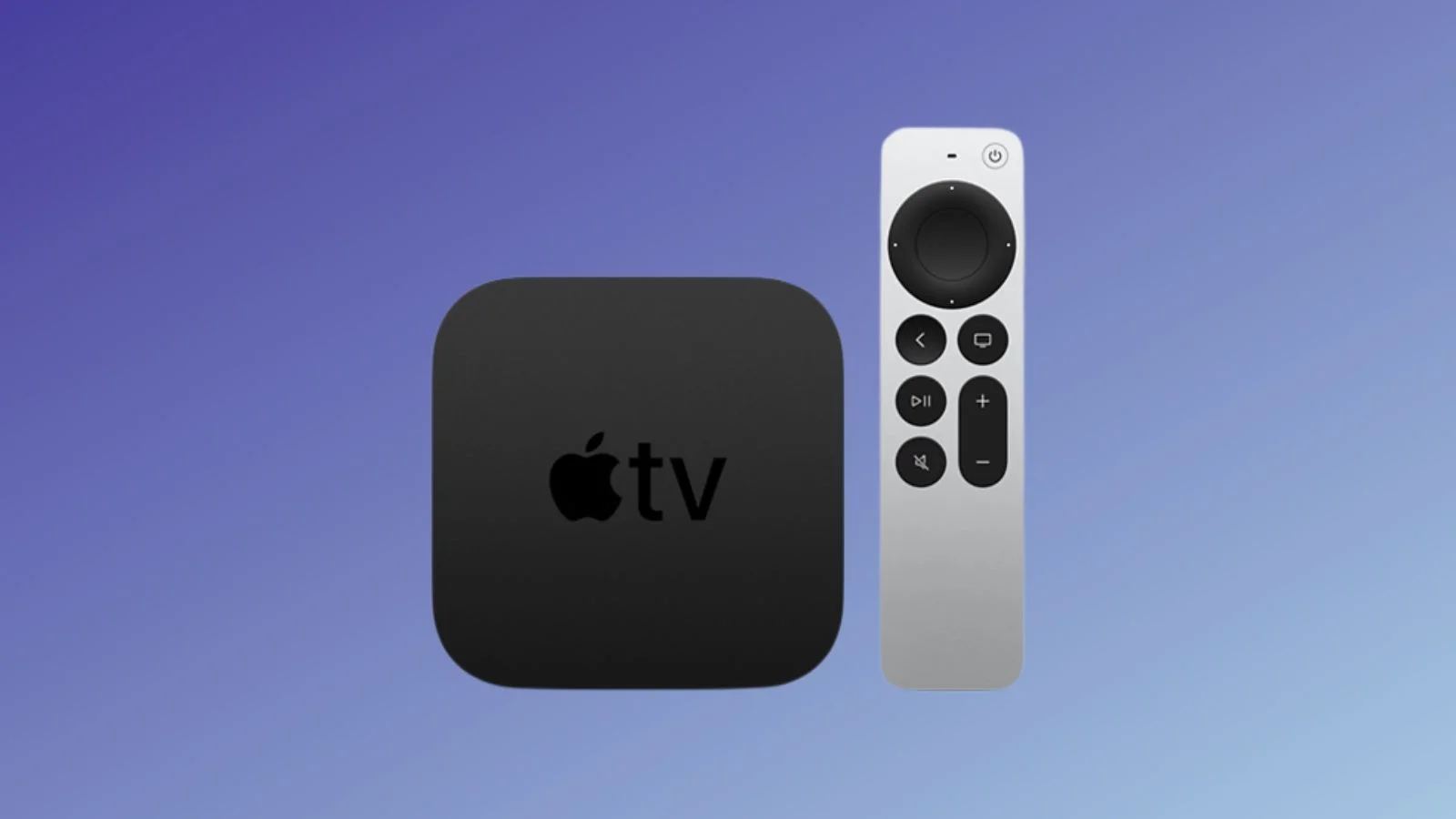
The fourth-generation Apple TV 4K reportedly has twice the system memory of its predecessor, yet a single app still appears limited to 2GB. That gap matters because a device’s total RAM and the memory available to one running app answer different questions. More memory can give the operating system and several processes extra room, while a demanding game may still face the same individual ceiling as before.
More system memory, the same app ceiling
Testing reported by 9to5Mac found that tvOS force-quits an app when its process allocates more than 2GB. A developer memory-checking function also returned a 2GB limit, matching the third-generation Apple TV 4K. These results point to a per-app constraint: the amount one app can use before the system intervenes.
That distinction is easy to miss in a product comparison. A larger pool of system memory can help the device manage the operating system, background tasks, and multiple apps, but it doesn’t automatically raise the budget for a game running in the foreground. Think of it as having more room in the building while one tenant still has the same-sized office.
The reported behavior also describes what the testers observed, not a full explanation of tvOS’s memory rules. Apps can be affected by how they allocate and manage memory, and the circumstances that trigger a system termination may depend on more than a headline figure. Still, the matching result from the developer function gives the 2GB ceiling practical weight.
Apple’s product page confirms the new model’s A19 chip and highlights Apple Arcade, including support for PlayStation and Xbox controllers. It doesn’t state how much memory an individual app can use. That omission leaves developers and buyers to infer the relationship between the upgraded hardware and the limits imposed by the software.
Games feel the constraint more than streaming apps
For people upgrading mainly to watch TV, the reported cap may have little practical effect. Streaming apps generally have less need for memory than demanding games, and everyday viewing doesn’t ask an app to keep the same volume of complex visual assets, game state, and other data readily available. The difference won’t matter equally to every Apple TV owner.
Games are a more revealing test of the hardware. A larger game may need memory for detailed graphics, audio, levels, and the state of a player’s session. Developers have to fit those demands within the resources their apps can access, and a fixed per-app limit can shape design choices even when the device has more RAM sitting elsewhere.
If a game needs more than 2GB, doubling the device’s total RAM won’t, by itself, give that game a larger allocation. Developers might still optimize their software or manage resources differently, but those approaches have trade-offs: they can affect what a game keeps loaded and how it handles transitions or complex scenes. This is more significant than it looks for a product Apple is also presenting as an Apple Arcade device.
Apple’s support for familiar console controllers helps make the Apple TV a more credible place to play, but controller compatibility and memory capacity are separate parts of the experience. One can make a game easier to control without changing how much memory its process can use. If you’re working in this space, the practical question is whether the available per-app budget leaves enough room for the experience you want to build.
For many games, 2GB may be workable. For more ambitious projects, the cap could be a design constraint. And that’s the part most people overlook: total RAM is a useful hardware specification, but it doesn’t tell you how much of that memory an individual app can actually claim.
What remains unclear
The testing report doesn’t identify the tvOS build used. Apple lists tvOS 27.2.1 as released on November 13, so the software version matters when assessing whether the same limit applies to the latest update. Without the tested build, readers can’t tell from the report alone whether the finding reflects the newest available software.
Apple also hasn’t explained the reason for the 2GB ceiling or how it relates to the new hardware’s gaming capabilities. A limit can reflect software policy or the way a system manages competing demands, but the available information doesn’t establish Apple’s reasoning. That uncertainty makes it difficult to say whether the cap is a deliberate product choice, a current software condition, or something likely to change.
The result doesn’t establish whether the limit is permanent. A software update could change it, though there’s no indication that Apple plans to do so. For now, the sensible reading is narrow: the reported tests found an individual app limit of 2GB, and Apple’s product page doesn’t clarify whether that limit has changed.
Why the distinction matters
The new model’s larger system memory may still benefit the device as a whole, even if one app remains capped. It can give tvOS more room to run its own services and manage multiple processes. But those system-level benefits don’t settle the question developers care about most: how much memory a single game can use while it’s running.
For buyers, the takeaway depends on the reason for upgrading. People focused on streaming may never notice the reported ceiling. Players hoping for increasingly demanding Apple Arcade games have a more relevant question to ask: does the software give those games enough room to make use of the new chip? Until Apple clarifies the limit, the extra RAM is an upgrade on paper whose gaming value remains partly unresolved.
A bigger pool of memory. The same reported app budget.
Discussion
Sign in to join the discussion.