SEC Exam Priorities Put AI and Tokenization Risks in Focus
Oct 23, 2026 · 380 views
The SEC’s FY2027 exam priorities frame advanced technology as a market risk and add tokenization to areas of infrastructure scrutiny.
Technology is now part of the SEC’s market risk agenda
The SEC’s examination priorities put advanced technology in a different regulatory frame: AI and related tools are being treated as potential influences on market operations, not just software advisers use. That shift is more significant than it may first appear. It asks firms to consider not only whether a tool works as intended, but how its use could affect the systems that support trading, compliance, fraud prevention, and investor protection.
On Thursday, the SEC’s Division of Examinations
published its priorities for fiscal 2027. The eight-point list names “super intelligence and other advanced technologies that may affect market operations, compliance, fraud prevention, and investor protection.” It places AI within a broader “emerging technologies” category, pointing examiners toward how these tools shape compliance programs and fraud detection. The priorities apply to the Division’s more than 34,000 registrants, a broad group that includes firms with very different technology footprints and levels of exposure.
That’s a change in emphasis. Earlier priorities focused on AI as a business tool adopted by advisers; this year’s wording casts advanced technology as a possible systemic market variable. The distinction matters because a tool used to draft internal material poses a different examination question from one that informs decisions or affects market processes. The list doesn’t explain exactly which technologies or risks will draw the most scrutiny, so the practical reach remains uncertain. For firms, that ambiguity makes the language a signal to review how technology fits into existing controls, rather than a detailed checklist of new requirements.
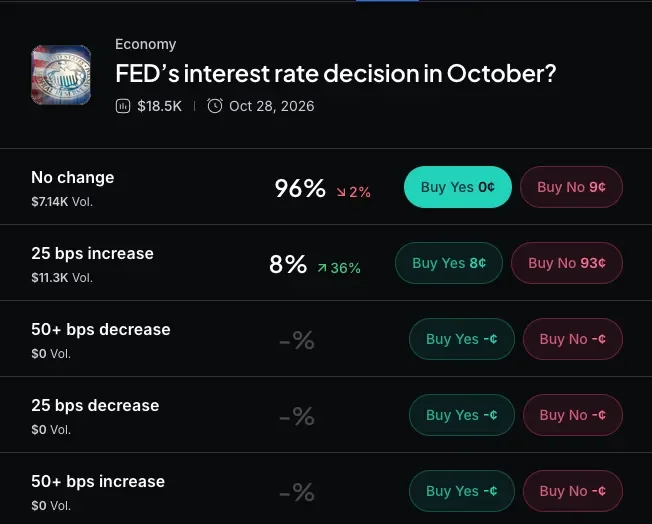
Myriad: What will the Fed do next? Click to make your prediction.
Tokenization moves onto the examination list
The other notable signal is tokenization’s appearance under evolving market infrastructure risks, alongside Treasury clearing reforms. The Division says it will examine “risks associated with evolving market infrastructure, including Treasury clearing reforms, tokenization, and related developments.” Grouping these issues points to a broad supervisory concern: changes in how financial assets are represented, processed, or cleared can raise questions about the controls surrounding market infrastructure.
For broker-dealers, investment advisers, and transfer agents building tokenized products amid the Atkins-era regulatory thaw, that wording points toward direct examiner attention on their compliance programs. Policy debate is one thing; an examination is a more immediate test of how firms manage those products. Examiners can ask how established responsibilities and procedures apply when a product or process uses newer technology. The priorities don’t say that tokenization itself is a compliance failure, or specify a single model that firms must follow. They do put related risks on the Division’s stated agenda.
Director Keith Cassidy described the priorities as an adaptive approach: “Our approach enables us to adapt to changing market conditions, identify developing risk patterns, respond to emerging threats, and anticipate areas where investors and the markets may be vulnerable,” he said in the SEC release. The Division also says the list is not exhaustive. Examiners can still review any issue involving compliance with federal securities laws across the full registrant base. That caveat gives the agency room to respond to developments that aren’t captured in the annual list (and this is the part most people overlook). A published priority signals attention, but the absence of a topic doesn’t guarantee it will stay outside an examination.
Crypto fades; AI and tokenization enter the frame
The SEC’s shifting exam priorities tell a more complicated story than a simple retreat from crypto. In November 2025, the agency’s FY2026 priorities dropped crypto as a standalone focus for the first time since 2021, a change read as a break from the Gary Gensler era under Chair Paul Atkins. The announcement was covered by Decrypt. That history gives the new list context, but it doesn’t establish that the agency has stopped examining crypto-related activity.
The 2027 document still doesn’t bring back a dedicated crypto section. Instead, it names risks tied to AI and tokenization, two technologies that have helped shape capital markets activity over the past year. That’s a meaningful shift in emphasis, though the document alone doesn’t explain how examiners will treat crypto-related firms or products in practice. A technology can draw attention through a broader category even when it isn’t called out by name; the priorities leave that possibility open without spelling out how it would work.
The scale of the program matters here: the SEC’s examination division covers more than 34,000 registrants, from investment advisers and investment companies to broker-dealers, clearing agencies, and transfer agents. A priority written at that level has to cover a varied set of businesses, so it won’t tell each firm exactly what an examiner will ask. If you work in financial services, the practical signal is that emerging technology risks are now part of the exam conversation—even as crypto recedes from the list’s headline categories. Firms will have to connect that broad signal to their own activities and controls. The numbers here are underwhelming as a guide to specific enforcement, but the breadth of the division makes the language relevant well beyond companies that describe themselves as technology firms.
What the priorities leave open
The document sets direction, not a detailed account of examination methods. It identifies areas of interest but doesn’t define which uses of AI count as a market risk, how tokenization will be assessed, or how examiners will weigh the controls firms already have. That gap is familiar in annual priorities: they help firms understand where attention may fall, while leaving room for examiners to respond to the facts of individual businesses.
Here’s the thing: broad language can still change internal conversations. Firms may need to explain where advanced tools enter their operations, who oversees them, and how their compliance programs account for the resulting risks. Similar questions arise whenever a business adopts systems that influence decisions or move information through critical processes. The priorities don’t answer those questions for firms. They make it harder to assume technology is merely a back-office concern.
For now, the clearest takeaway is the change in framing. AI appears in relation to market operations and investor protection, while tokenization sits beside other evolving infrastructure risks. Not a rulebook. The next test will be how those categories translate into examination questions and how consistently the Division applies them across its diverse registrant base. That will reveal more about the practical weight of the priorities than the annual list can on its own.
Discussion
Sign in to join the discussion.