Pope Leo XIV Addresses the Impact of AI on Human Creativity and Artistry
Oct 03, 2026 · 431 views
Pope Leo XIV highlights the crucial difference between human and AI-generated art, advocating for the preservation of human dignity in creativity.
Pope Leo XIV on the Divide Between Human and Machine Art
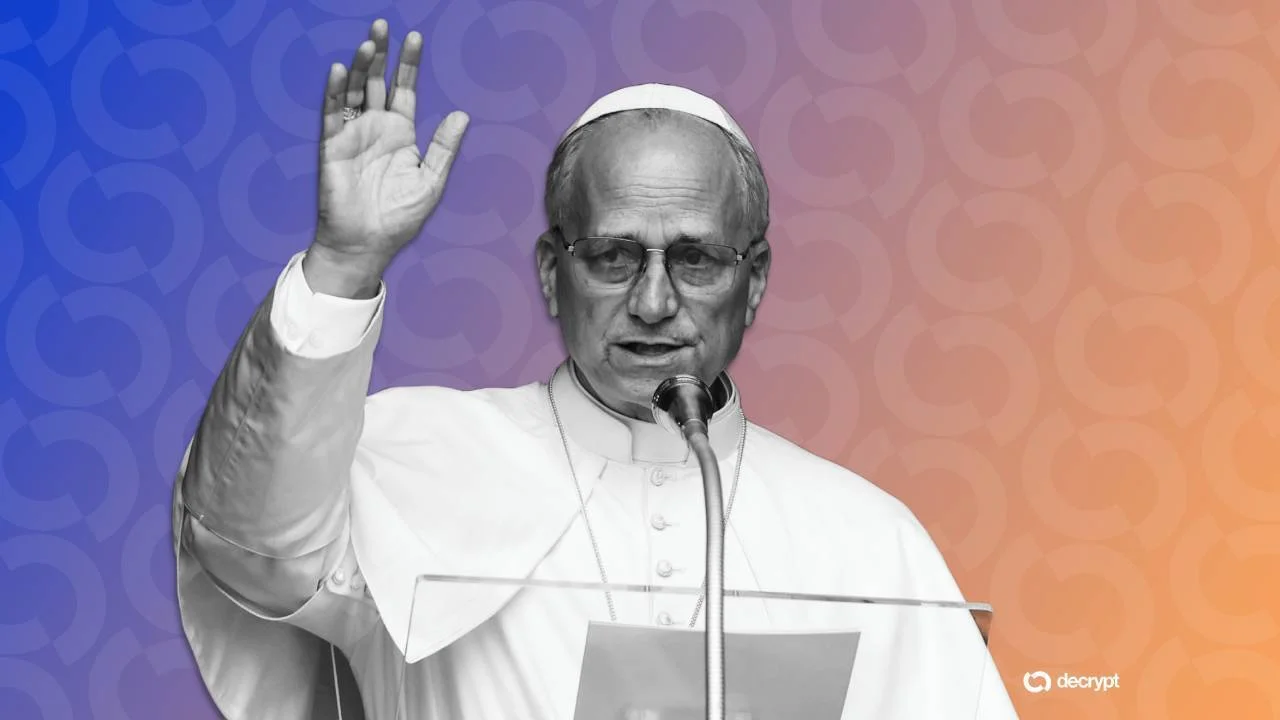
Recently, Pope Leo XIV took a bold position on the nature of art in the age of artificial intelligence. In a post dated October 2 on X, the pope asserted there’s an "ontological difference" between the creations of human artists and those generated by machines. This statement is not just a casual observation; it underlines a growing concern within the Church about the impact of technology on humanity's essence and creativity.
He aims to reconnect with artists and cultural institutions to "safeguard our humanity." This isn't merely a poetic endeavor. The pope's appeal reflects a deeper apprehension regarding how advancements in AI might dilute the intrinsic value of human creativity. By framing this as a matter of preserving human dignity, he's not just lamenting over quality — he is raising alarms about the fundamental nature of what art means in a world where algorithms can replicate aesthetic patterns through mere statistical analysis.
The significance of his statement lies in its philosophical underpinnings. The pope elaborates that algorithms do not possess the "spark of humanity"—a sentiment that resonates with anyone who has witnessed the rapid proliferation of AI-generated content, often criticized for lacking depth and soul. Sure, a computer program can generate images that look aesthetically similar to a painter’s work, but the implications are much more profound than surface comparisons. The crux of his argument suggests that while the results may appear alike, the soul and intention behind the creation are vastly different.
This isn’t the first time Leo XIV has expressed concern about artificial intelligence. Earlier this year, he released an encyclical titled *Magnifica Humanitas* which emphasized that technology is never neutral and advocated for data to be considered a common good. Moreover, his speech at a conference in Paris on September 25 drew on themes from this encyclical, further demonstrating the Church's proactive stance against potential dehumanization due to technology.
In his recent post, the pope implicitly critiques the phenomenon often referred to as "AI slop," a term representing the flood of low-quality AI-generated content that lacks meaningful engagement or artistry. This awareness reflects a broader anxieties around the risks of diminishing both quality and integrity in artistic expression. He contends that the true essence of creating art is rooted in human experience, a perspective that feels increasingly urgent as technology continues to evolve. If you’re navigating this intersection of technology and creativity, it’s essential to grasp not only what tools can create, but also what they mean for our collective humanity.
Looking Ahead: The Ethical Dimensions of AI in Art
The intersection of artificial intelligence and creativity is becoming a hotbed of debate, and recent comments from influential figures like Pope Francis underscore the urgency of this conversation. During a recent address in Paris, the Pope described the need for a moral framework to steer advancements in AI, warning that technology devoid of ethical consideration could lead society astray. His view isn’t just philosophical; it's a reflection of ongoing concerns about how AI tools shape artistic expression and ownership.
This raises critical questions for creators and consumers alike: who actually holds the rights to AI-generated art? The U.S. Supreme Court’s refusal to hear the Thaler v. Perlmutter case, which involved art produced entirely by AI, exemplifies a legal landscape struggling to keep pace with technological advancement. Currently, legal ownership is firmly rooted in the requirement for human authorship, which leaves many artists wondering about their own work's integrity in a market flooded with AI-generated content.
Yet, it’s not just a legal issue; it’s also a matter of community. Artists are actively choosing to distance themselves from AI-driven platforms. The rise of networks like Cara, aimed at preserving human-created art by keeping AI out, signals a growing discontent among artists who value traditional methods. With nearly 900,000 users by June 2024, this platform highlights a notable shift—a preference for authenticity over mechanically-derived imagery.
What this means for the future is complex. As advancements in AI continue at a breakneck pace, creators must navigate the fine line between innovative technology and ethical standards. The challenges posed by detection tools, which sometimes erroneously classify human work as AI-generated, further complicate this dynamic. If systems struggle to distinguish between the two, how will we establish genuine recognition for human artists?
In the end, we’re left with more questions than answers, but the path forward is clear: a collaborative approach that integrates technological capability with ethical scrutiny is essential. If you’re working in this space—whether as an artist, a developer, or a policymaker—start thinking about the frameworks and values that will shape this emerging landscape. The dialogue around AI in art is just beginning, and it’s one that will affect all of us.
Discussion
Sign in to join the discussion.