Apple Watch users can now update to watchOS 11, which introduces new health apps and personalization options, but drops support for older models.
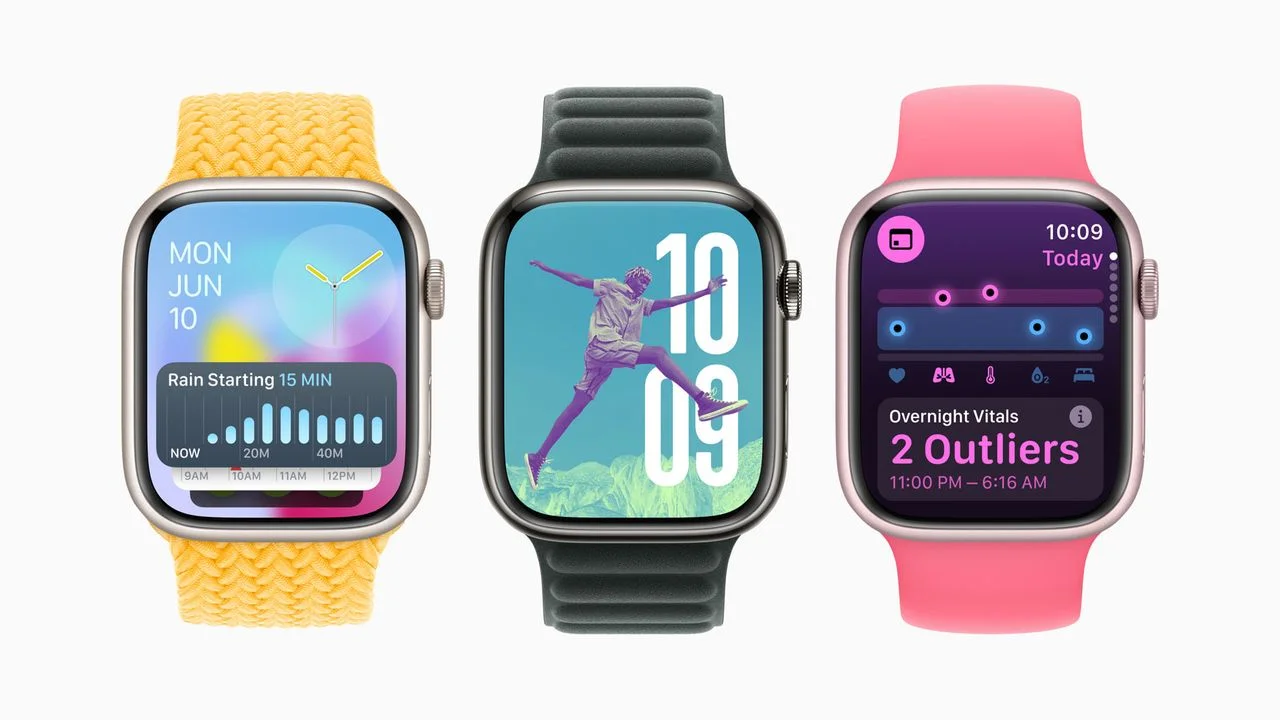
watchOS 11 has officially rolled out to all compatible Apple Watch models, specifically those starting from the Series 6. This release follows Apple's unveiling of the update at WWDC 2024, where the company highlighted its ongoing commitment to health and fitness innovations. Users of eligible devices can finally engage with features that have undergone refinement throughout several beta versions. With each iteration, Apple aims to enhance user interaction and health monitoring, signaling a clear path toward making its wearables more indispensable for daily life management.
Health-Centric Features and Personalization Options
One of the standout aspects of watchOS 11 is its focus on health tracking. Apple has long positioned its products as essential tools for health management, and this update is no exception. The new apps unveiled are designed not just for fitness enthusiasts but also for anyone looking to better understand their health metrics. Tracking details like heart rate, activity levels, and even sleep quality can empower users to make informed decisions about their well-being.
You'll notice exciting new personalization options accompanying the introduction of Live Activities on the Apple Watch. This marks the first time this feature is available on the platform, enhancing interactivity. Users can now receive real-time updates for events or activities at a glance, all from their wrist. This level of responsiveness can significantly enhance convenience but also raises questions about the potential for distraction. If you’re working in this space or are an avid user, it’s definitely a feature worth exploring further.
That said, the update isn’t without its caveats. Users should temper their expectations regarding AI functionalities, as watchOS 11 doesn’t boast the same advanced capabilities found in the latest versions of iOS for iPhones or iPads. While it offers substantial enhancements, one has to ask: is this enough to maintain user engagement, especially when competition in the smartwatch sector is intensifying?
Installation Process and Considerations
Upgrading to watchOS 11 is a straightforward process. Simply navigate to the Apple Watch app on your paired iPhone, head over to General, and tap Software Update. For users who don’t see watchOS 11 show up immediately, they can toggle between watchOS versions at the top. However, don’t be surprised if the installation takes longer than usual. A flood of users updating their devices simultaneously can lead to bottlenecks.
Before you initiate the update, it’s a smart move to back up your data. Creating an iCloud backup ensures you don’t lose any important information—be it apps or custom watch faces. This precaution is more than just good practice; it’s a necessary step for smooth transitioning into the new software environment.
Compatibility with watchOS 11
As with its software updates, Apple has once again phased out support for some older models. This trend has been noted across various Apple products, with the company frequently driving users toward newer hardware. The following watches have been dropped since the previous version, watchOS 10:
- Apple Watch Series 4
- Apple Watch Series 5
- Apple Watch SE (1st generation)
So, which Apple Watches can run watchOS 11? The list includes the following:
- Apple Watch SE (2nd generation)
- Apple Watch Series 6
- Apple Watch Series 7
- Apple Watch Series 8
- Apple Watch Series 9
- Apple Watch Ultra
- Apple Watch Ultra 2
What’s vital here is that not all features are available across every model. Apple’s website clarifies that hardware limitations, particularly concerning sensors, will dictate availability for functions like blood oxygen monitoring. Certain users may feel disappointed that their older devices can't access the latest features, but this pattern of planned obsolescence isn’t surprising given tech trends.
Implications and Future Outlook
The release of watchOS 11 represents not just an update but a solidification of Apple’s strategy in the health wearables market. By continuing to enhance health tracking features and making them more user-friendly, Apple aims to deepen its ecosystem's appeal. Users are likely to gravitate towards those features that offer tangible benefits, and it’s clear Apple wants to be at the forefront of health tech.
Yet, questions remain about how sustainable this approach is. Competitors are ramping up their offerings, and consumers increasingly expect more from their devices. For users on the fence about loyalty to Apple, the availability of advanced AI functions on competitors’ devices might become a compelling reason to switch. Furthermore, ongoing concerns about data privacy and security could influence user choices as these wearables handle sensitive health data.
(And this is the part most people overlook.) The impending integration of more sophisticated AI capabilities could eventually shift the industry standard. Hybrid models that utilize both personal data and advanced analytics may render traditional health tracking moot. Keeping an eye on Apple’s roadmap and user feedback will be essential for understanding where this technology is headed.
Discussion
Sign in to join the discussion.