Apple's visionOS 2 introduces new features and improvements for the Vision Pro, enhancing user experience and developer capabilities.
At the recent WWDC 2024, Apple showcased visionOS 2, the latest iteration of its operating system designed for the Vision Pro headset. While this update is marketed as the second generation, it primarily focuses on refining daily user interactions rather than introducing sweeping changes, which raises questions about how transformative its potential really is.
Refined User Experience
One of the standout features in visionOS 2 is the ability for users to transform their 2D photos into immersive spatial images utilizing AI technology. This feature, while seemingly minor on the surface, reflects a broader trend within tech: the push toward more immersive user experiences. Users increasingly want to feel enveloped in their digital environments, a shift from mere screens to experiences. The AI's role in this transformation is significant, opening up new possibilities for personalization and creativity.
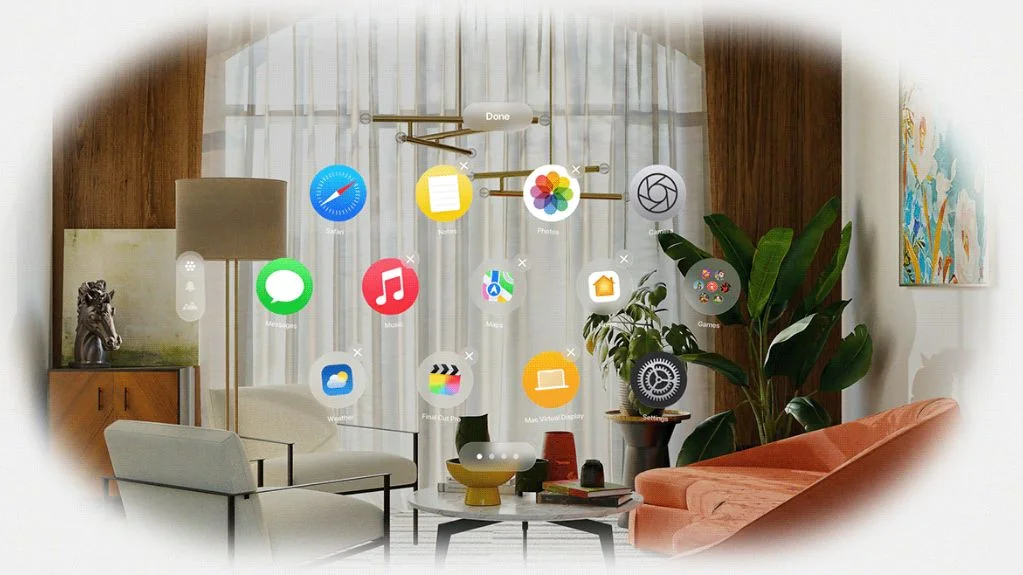
Additionally, the interface includes improved controls that enhance access to the Home view and the Control Center, aiming to streamline user navigation. Simplifying navigation is key. If you're working in this space, you understand that the usability of virtual environments can make or break user adoption. Apple’s focus here suggests they're aware of past criticisms where users felt overwhelmed by too many options and complex interfaces. However, the question remains: Will these refinements be enough to engage new users or are they just polishing a product that needs a more profound overhaul?
Expansion of Display Options
In a move to expand versatility, Apple plans to enhance the Mac's external display options later this year, introducing higher resolutions and sizes, including an ultra-wide setup that simulates the use of two 4K monitors side-by-side. This enhancement is perhaps more significant than it looks — the productivity benefits of multi-monitor setups are well-documented. Workers across various sectors increasingly rely on more screen real estate for efficient task management. Apple clearly intends to position itself favorably in this professional space, competing against rivals who have dominated in multi-monitor functionality.
The existing Mac lineup's integration with the Vision Pro platform is a strategic direction, aiming to foster a unified ecosystem where users can transition effortlessly between multiple Apple devices. Competing platforms are already capitalizing on such integrations. So, if Apple wants to maintain its edge, especially in professional environments, these display improvements must deliver tangible advantages and not just theoretical upsides.
Getting Started with visionOS 2
To initiate the update to visionOS 2, users should navigate to the Settings app, then select General, followed by Software Update. The update option for visionOS 2 should appear, allowing users to press Update Now. Given the anticipated demand, installation times may vary as many users will likely be eager to upgrade. The rollout of updates is often fraught with hiccups, and user experiences can differ greatly in terms of reliability and ease of access. Assuredly, those excited for new features may encounter issues when trying to update amidst high traffic, underscoring the ever-present tech issue of capacity versus demand.
Before performing the update, it’s advisable to create an iCloud backup to safeguard important content, including spatial videos and applications. This is where many users fall short, and (this is the part most people overlook) a backup can save you hours of frustration if something goes awry during installation. It’s a small precaution that can prevent significant headaches. Without it, users are left vulnerable to data loss.
Enhancements in visionOS 2
visionOS 2 expands on travel functionality, introducing support for train travel, in addition to planes—a likely nod to the user's demand for practicality, especially after incidents involving public transit use. This feature likely acknowledges a shift in travel habits, particularly post-pandemic, where train travel has seen a resurgence in certain markets. By integrating public transport support into their ecosystem, Apple not only enhances user experience but also taps into a growing market segment focused on transit efficiency and accessibility.
For developers, new tools and APIs are available, including Volumetric APIs and the introduction of TabletopKit, which facilitates app anchoring to flat surfaces. These developments are essential, especially for game developers looking to use the spatial capabilities of the Vision Pro to create immersive gameplay experiences. The focus on board games and tabletop activities caters to a growing niche that appreciates interactive and social experiences offered in virtual environments. This could lead to a wave of new applications, fostering a community of developers eager to explore the untapped potential of AR.
Content creation receives a boost as well, highlighted by a new Spatial lens for Canon's EOS R7 camera. This collaboration opens doors for creators looking to capture 3D content for the Vision Pro, enhancing the device's appeal to influencers and creative professionals. Apple's partnerships, including a new Vimeo app tailored for the Vision Pro and a collaboration with Blackmagic Design, position the headset as not only a consumer device but also as a professional tool. As extreme sports experiences from Red Bull join this lineup, it signals that Apple is keenly aware of the growing trend toward immersive and dynamic content.
Implications and Future Outlook
What does this mean for you? For developers, the expanded capabilities and new tools create an opportunity to explore previously uncharted territories in app development. However, the question of whether these enhancements will be sufficient to draw a large user base still lingers. User adoption rates of new technologies tend to fluctuate, and Apple will need to ensure that the Vision Pro, along with visionOS 2, resonates beyond early adopters.
For consumers, while the updates to visionOS 2 may be appealing, skepticism remains about the long-term value of such enhancements when compared to existing technologies. Apple’s focus on refinement over innovation may satisfy some users, but it risks alienating those seeking a substantial leap in technology. The direction Apple takes with its products and updates will play a critical role in shaping user engagement and loyalty in an increasingly competitive tech market.
Discussion
Sign in to join the discussion.