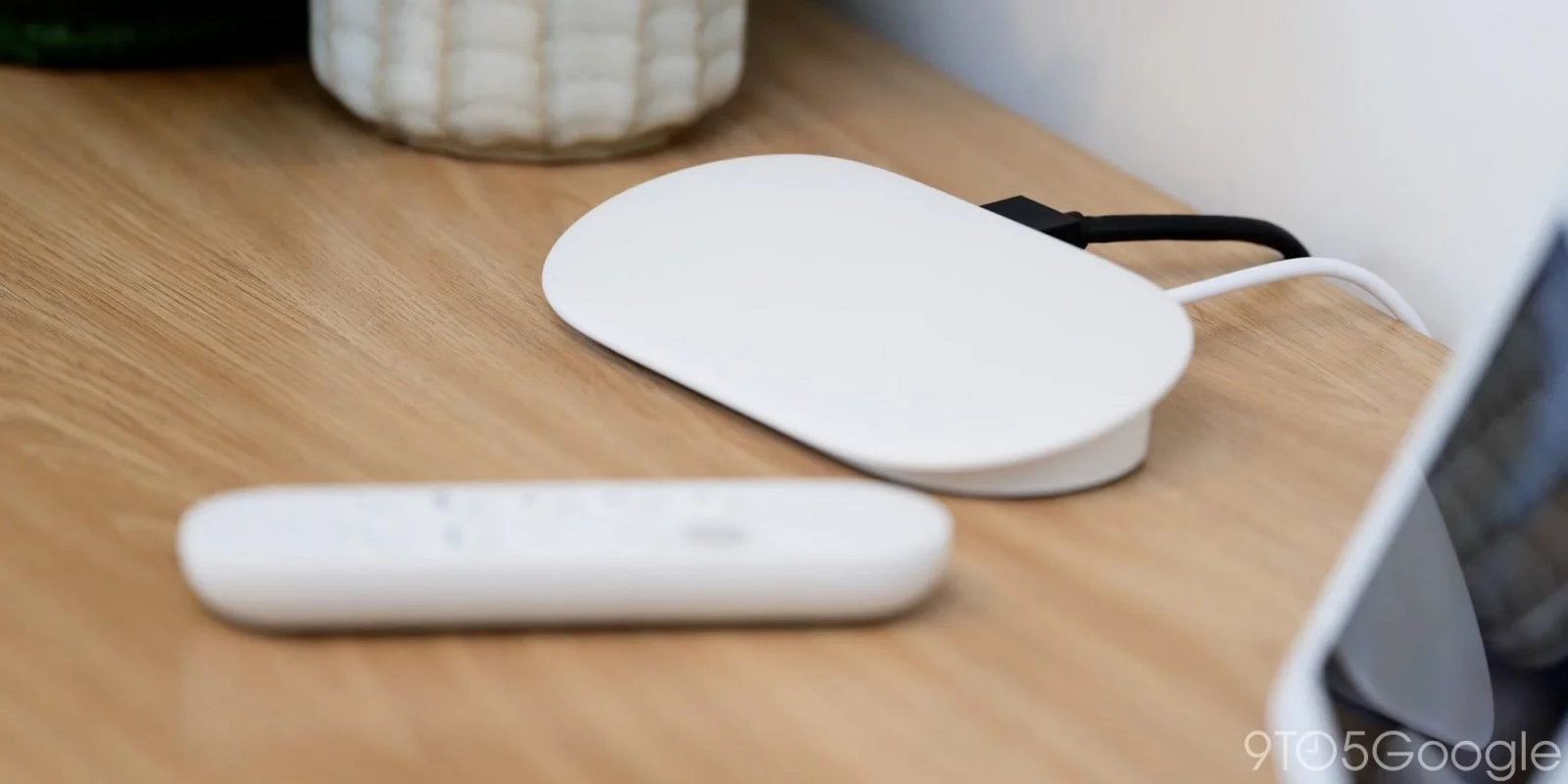
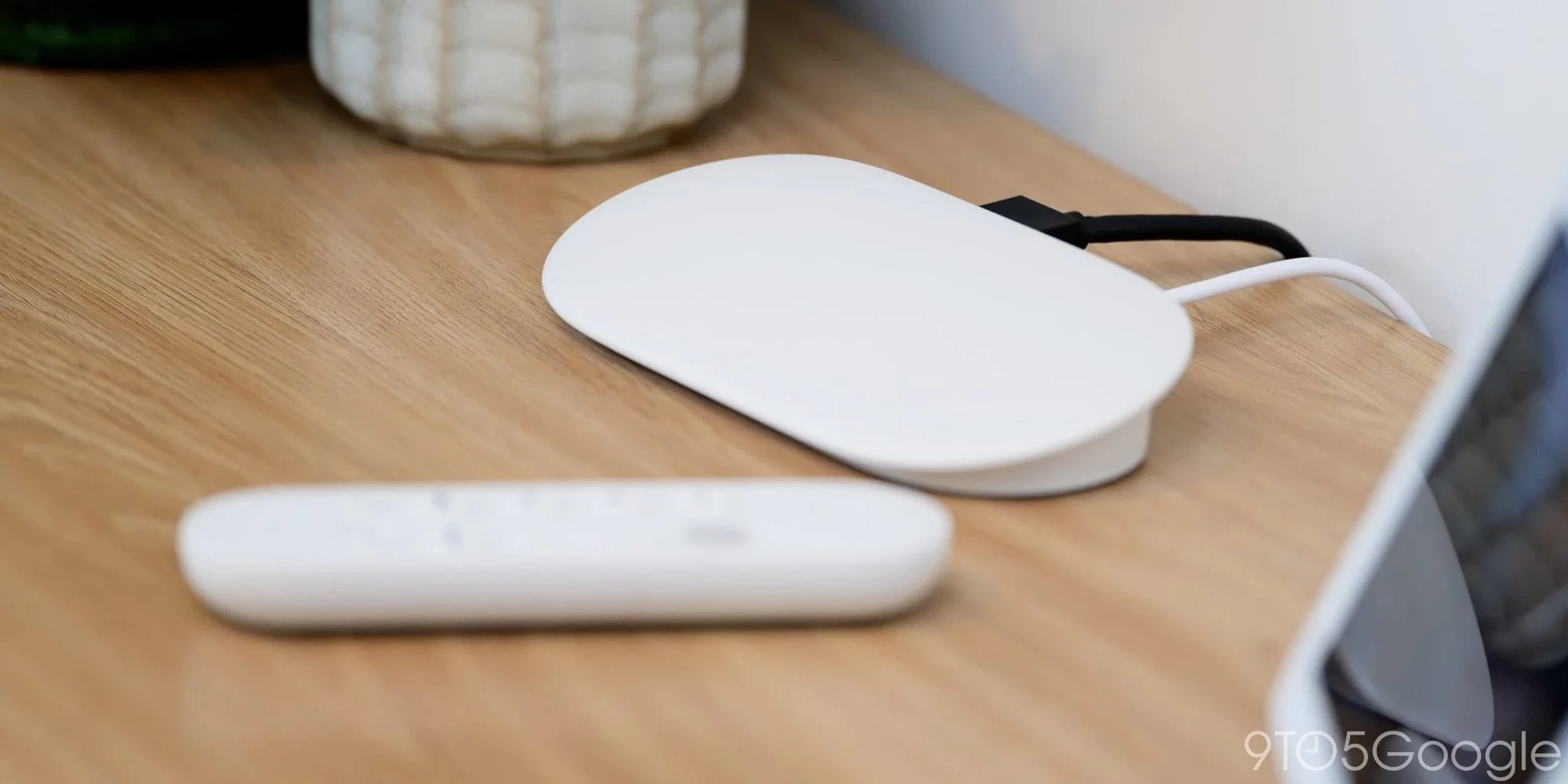
The price of the Google TV Streamer has increased by $50, now retailing at $149.99, reflecting market shifts in RAM costs.
Google TV Streamer Price Increase: An Overview
In a surprising move, Google has increased the price of its Google TV Streamer to $149.99, marking a steep $50 rise from its initial launch price of $99.99. This adjustment signals not just a shift in retail strategy, but potentially reflects underlying challenges in the tech supply chain.
Background on Google TV and Market Trends
Google's venture into the streaming hardware market through the Google TV Streamer showcases the company's ambition to compete with established players like Roku and Amazon Fire TV. With the massive uptake in home streaming services, the demand for high-quality streaming devices has never been higher. Consumers often look for devices that offer seamless integration with their preferred content services. Google's earlier pricing strategy at $99.99 positioned the Google TV Streamer as an accessible option for eager new adopters.
However, pricing is a fickle game. It's influenced by a multitude of factors, from production costs to market competition. As more companies flood the streaming space, the pressure to provide value at every price point increases. The initial discount of $20 during the holiday season implied a strategy to boost sales and capture market share quickly. Now, with this new price point, Google might be recalibrating its approach in response to broader market trends.
Impact of RAM Pricing Fluctuations
The increase is likely tied to fluctuations in RAM pricing, which has already impacted other products like the Pixel 11 series and Pixel Watch 5. In 2022 and 2023, the global semiconductor industry witnessed significant price volatility for RAM chips. These components are crucial for performance, especially in a device like the Google TV Streamer, which is equipped with 4 GB of RAM and 32 GB of storage. The surge in costs for these materials is not just a one-time blip; it’s indicative of a larger trend in tech hardware where sourcing has become complicated by geopolitical tensions and supply chain disruptions. What this means for consumers is that price adjustments may be a recurring theme as companies adapt to economic pressures.
Comparative Pricing and Strategy
Interestingly, the Google Home Speaker continues to retail at $99.99, indicating that Google has maintained its pricing for certain devices, likely due to differing component cost structures or competitive positioning. In contrast, select Nest Cams have seen price hikes recently, suggesting that Google is trying to gauge its product segments individually based on market response and component pricing. Consumer electronics are rarely straightforward. Often, products within the same ecosystem can have vastly different pricing strategies based on perceived value, costs, and competitive pressures.
It sets up an intriguing narrative: device prices reflect both the products' intrinsic value and the external market dynamics. If you're working in this space, watching how Google navigates these waters could inform broader strategies for pricing, product launches, and marketing approaches.
Calls for Transparency from Google
We’ve reached out to Google for further details concerning the reasoning behind this change. The absence of comprehensive explanations from tech giants tends to fuel skepticism. Consumers, especially in a highly competitive environment, want transparency regarding price changes. In a market where switching costs are low, mistrust can lead to customer attrition. Will players like Google be more forthcoming about pricing strategies? Time will tell.
The mixed responses to price hikes will undoubtedly vary from customer to customer. Some may understand the economics behind such a change, while others could see it as a sign of corporate greed during uncertain economic times. This is more significant than it looks; trust in a brand can wane rapidly if customers feel exploited.
Future Outlook: Implications for Consumers
The implications of Google's decision to raise the price of its streaming device stretch far beyond a mere dollar amount. This price hike may serve as a litmus test for the entire streaming device market. If Google can raise prices without losing significant market share, other competitors may follow suit, initiating a series of price adjustments across the board. Consumers are already facing rising costs for services and products; adding higher hardware costs could push some away from adopting new technologies altogether. In this light, the decision seems problematic. Alternatives can easily lure users away, especially with several competing products on the market.
(And this is the part most people overlook) The long-term success of the Google TV Streamer will depend on the overall value it provides to consumers at this new price point. Features like service integrations, exclusive content, and user experience will play pivotal roles in justifying the new cost. If Google streamlines its services and adds substantial value for consumers, it could safeguard its standing in the market. However, failing to offset the price increase with tangible benefits can alienate users, fueling dissatisfaction.
As the industry continues to evolve, players need to remain vigilant and responsive to both market conditions and consumer sentiment. Ultimately, the decisions tech companies make can have far-reaching consequences, playing a significant role in shaping economies of scale and product strategies across the industry.
Updating…
Thanks to James for the tip.
Discussion
Sign in to join the discussion.