XREAL's One Pro glasses offer a unique mix of portability and functionality for Android XR, bringing practical applications and immersive experiences to users.
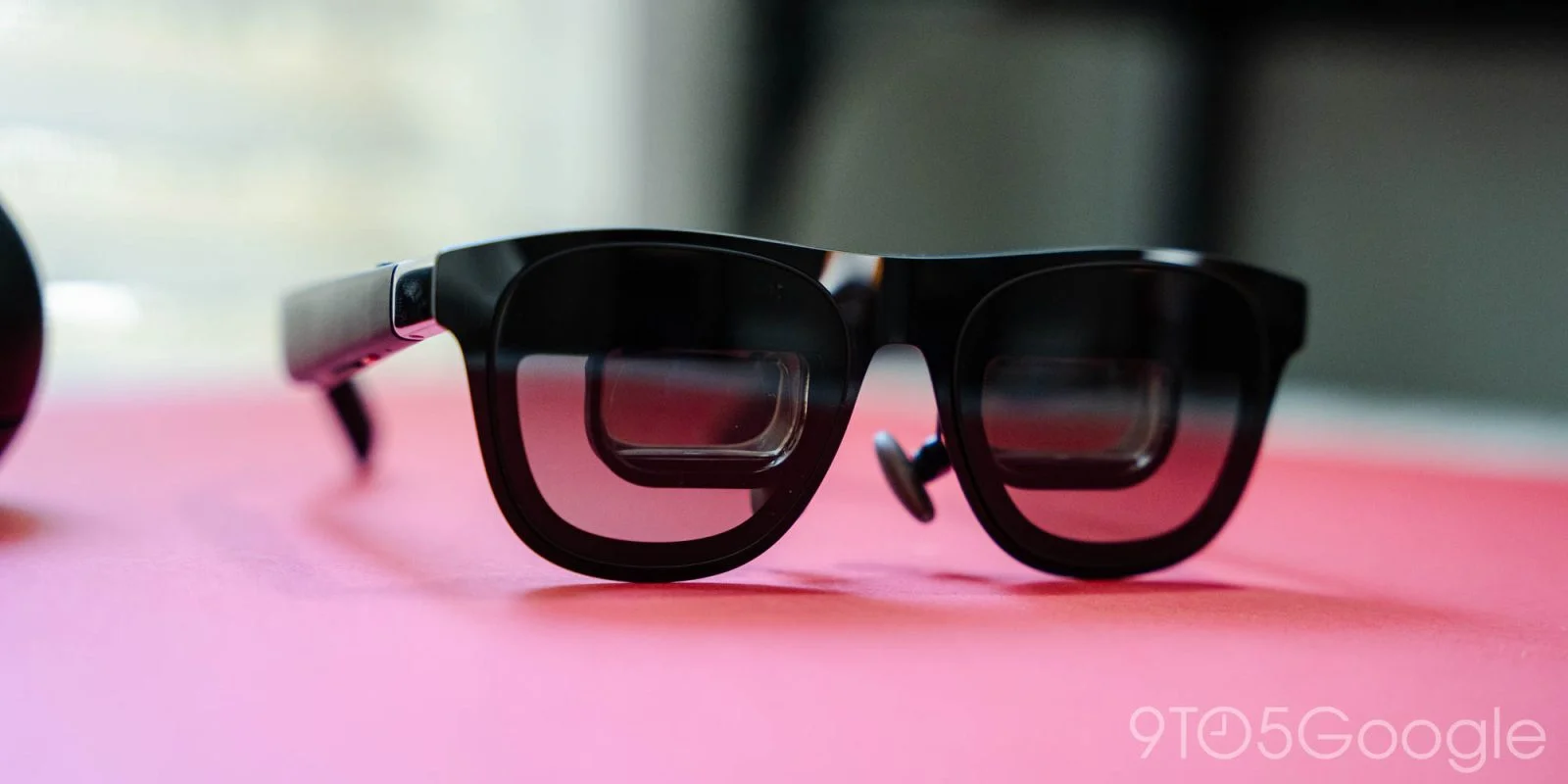
Smart glasses and mixed reality headsets have long faced skepticism, often overshadowed by the gaming-centric nature of devices like Meta Quest. However, XREAL’s One Pro appears poised to shift perception, particularly with its upcoming integration of Android XR technology. My recent hands-on experience with the XREAL One Pro confirms its potential to enrich the Android XR ecosystem.
Despite only recently discovering XREAL, I was intrigued by their proposition of creating glasses that place a large virtual display right in front of you. The moment the company announced its alignment with Android XR, I became eager to test this technology firsthand.
Practicality of XREAL One Pro
I tested the XREAL One Pro with various devices, including a Galaxy Z Fold 7, a MacBook, and a Redmagic Astra 2 tablet. The concept is straightforward: connect the glasses to any device, and a customizable virtual display appears—offering the equivalent of a 157-inch screen in front of your eyes. This setup was especially enlightening during flights, as having such a large display enhances the viewing experience far beyond typical seatback screens. The ability to work or enjoy media in a compact, private environment is a significant selling point.
While the One Pro might not blend into everyday environments quite like traditional eyewear, it does offer a degree of portability that’s appealing for on-the-go use. In crowded places or during travel, the benefits of having a personal display outweigh the slight bulkiness. You'll find that this type of technology can turn mundane moments, like sitting in an airport, into a more productive or entertaining experience. This is where smart glasses like the One Pro can really step up, making the case for their utility in daily life.
Comfort and Quality Assessment
The comfort level of wearing the One Pro for extended periods is noticeably superior to that of full-fledged VR headsets. While heavy-duty VR gear can tire you out quickly, the One Pro was designed with prolonged use in mind. Once properly adjusted, the visual quality matches expectations, providing a vibrant experience for movies and other media. It transforms tasks like screen mirroring into a much larger workspace without the annoyance of neighboring passengers reclining their seats. This seamless transition between tasks is what makes the One Pro a practical alternative to traditional screens.
However, an area for improvement exists in the 3DoF tracking. While it performs admirably under normal conditions, slight drift during turbulence can hamper the experience. This variability highlights the need for continuous advancements in stability. For users who require precision—designers or gamers, for instance—this aspect could be a dealbreaker. The expectation is that future updates or iterations will address these tracking limitations to enhance overall user satisfaction.
Connectivity Challenges
Notable limitations arise in compatibility. While I faced issues with specific video applications on the Redmagic tablet, such as Fandango and Google TV, the same platforms performed flawlessly on the Galaxy Z Fold 7. This inconsistency exposes a significant hurdle; the experience can vary widely depending on the device used. It underscores the necessity for more universal support across devices to get the most out of the technology. For consumers in this space, you'd want a product that harmonizes with as many devices as possible, and currently, that’s not quite the case.
The Future with XREAL Aura
Looking ahead, the anticipated XREAL Aura promises to integrate Android XR more effectively, enhancing the overall experience of the One Pro. Currently, the One Pro acts mainly as a display extension, requiring a secondary device for full functionality. Despite limited on-board controls, which might deter some users, the prospect of fully utilizing Android XR within this hardware seems promising. The notion that future models could offer an all-in-one solution could be a significant motivator for potential buyers.
XREAL’s commitment to evolving its offerings with more Android XR options signals a strategic move toward a future rich with possibilities. The convenience of connecting external devices will remain, ensuring users aren't left wanting as new models emerge. If you're working in this space, the expectation is that these advancements will push the technology closer to mainstream adoption.
Price Comparisons and Alternatives
XREAL One Pro is a solid investment for those who prioritize advanced features, but at $600, some users might find more value in other models. The newer $299 A01+ glasses could suit casual users seeking basic movie-watching capabilities without the hefty price tag. Similarly, the $450 XREAL 1S also presents a compelling alternative, delivering nearly the same functionalities as the One Pro. While the One Pro has distinct advantages, budget-conscious consumers should weigh their options carefully, considering what features are essential to their needs.
XREAL Aura is expected to arrive later this year, opening up further opportunities for interaction with Android XR, while existing models like the One Pro, 1S, and A01+ are available to enhance user experiences today. Each model offers different advantages, so consumers would benefit from carefully considering which suits their lifestyle best.
Future Outlook and Implications
The development of smart glasses like the XREAL One Pro and its anticipated successors could mark a significant shift in how we interact with technology. As more consumers embrace hybrid work environments, devices that merge virtual and real-world experiences will likely find favor. The path forward appears bright, but brands must remain diligent about addressing issues like connectivity, comfort, and application compatibility. This space is becoming increasingly competitive, and those who can deliver a cohesive, user-friendly experience will prevail.
What are your thoughts on mixed reality glasses? Have you tried any models yourself? Share your experiences in the comments below.
Discussion
Sign in to join the discussion.