Explore five pivotal tools that streamline the deployment of AI agents, ensuring reliability, security, and performance in production environments.
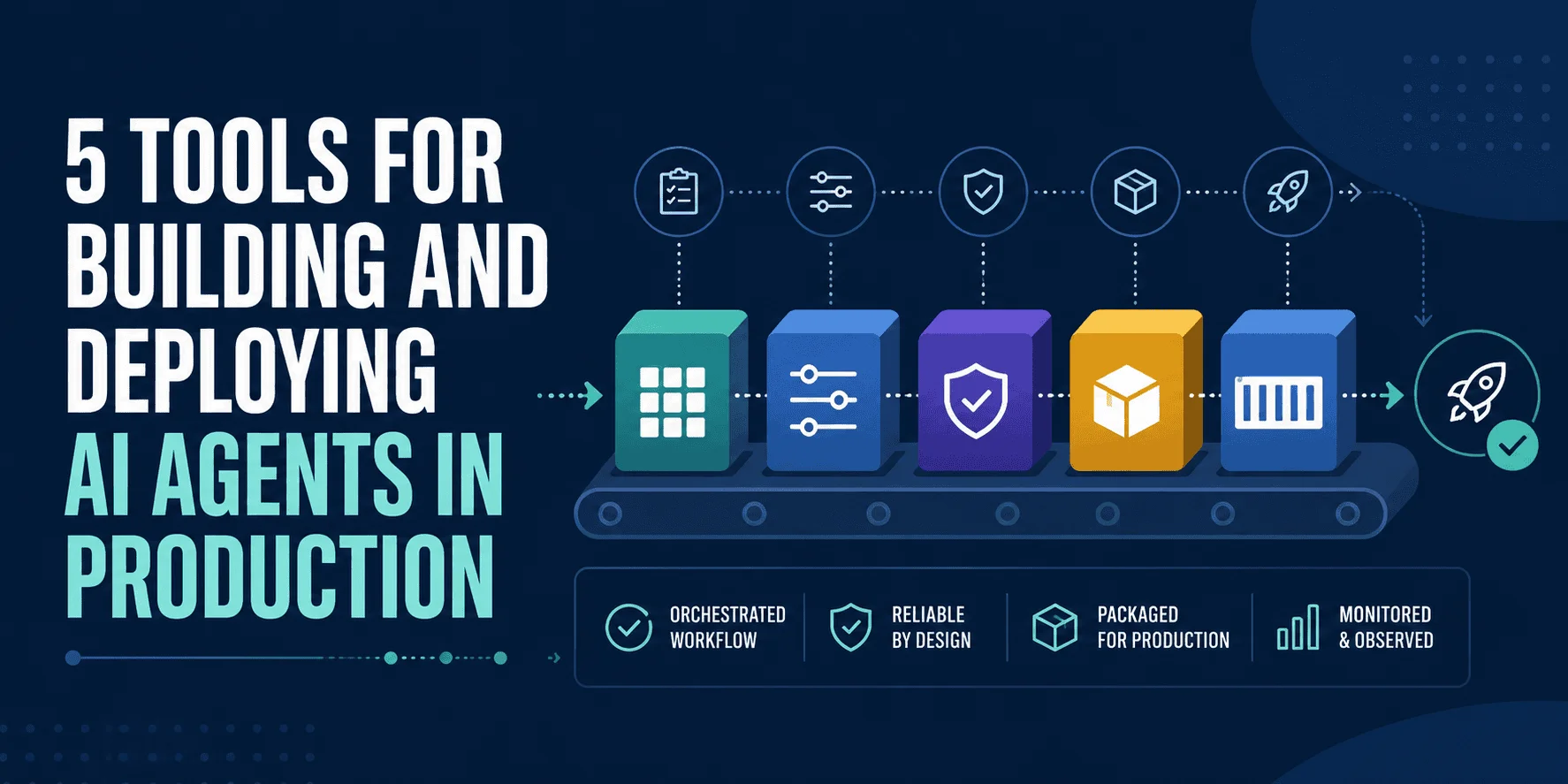
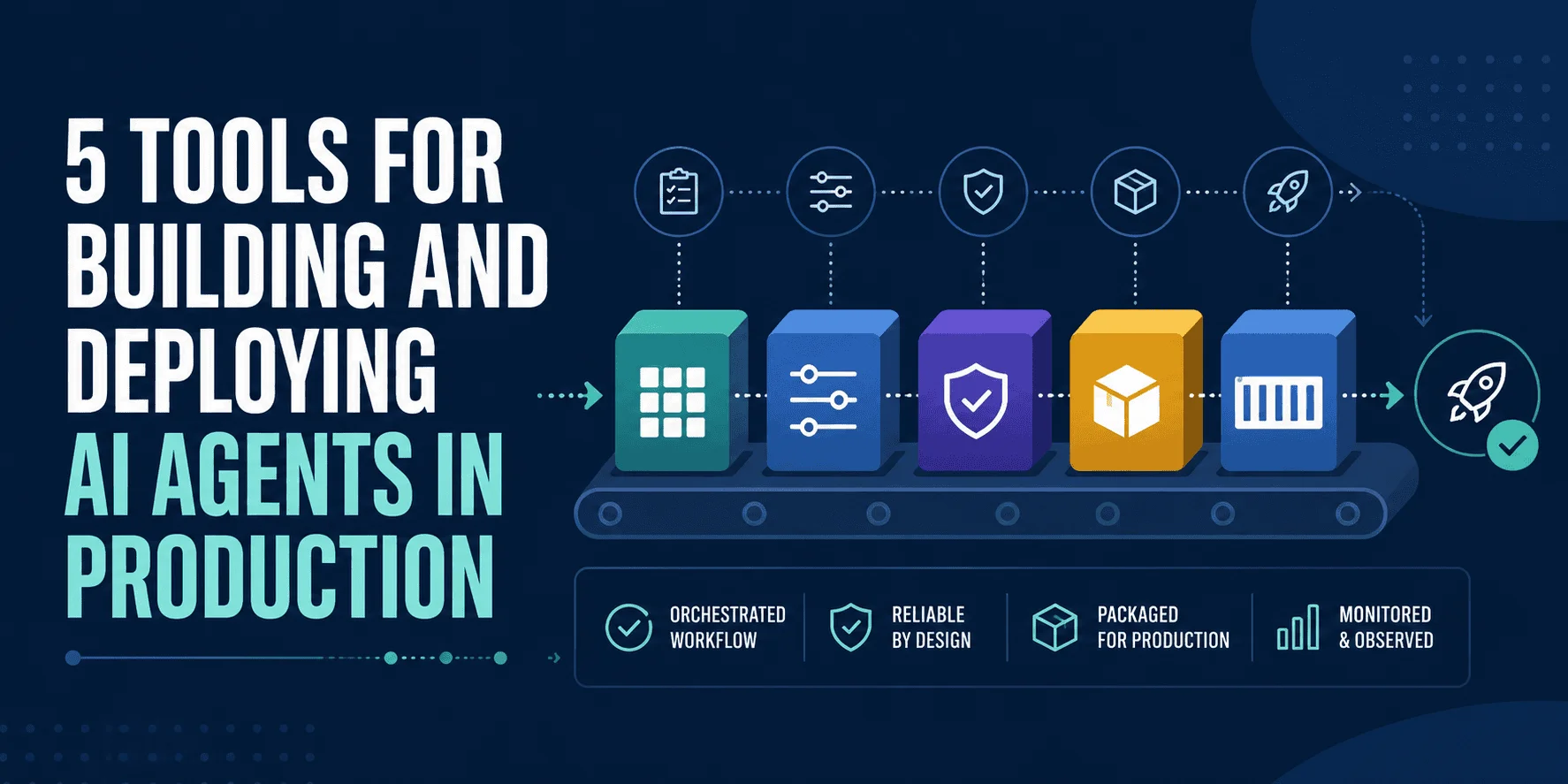
Creating an AI agent that operates smoothly in a notebook is only the beginning. The real test lies in ensuring that the agent can handle actual user demands, recover from crashes, and safeguard sensitive data as it executes tasks. Unfortunately, many teams overlook the intricate layers of production deployment, focusing too heavily on the model itself rather than the supporting infrastructure. In fact, less than 10% of generative AI pilots transition to production, often due to neglecting these foundational components.
Here, we’ll discuss five essential tools designed to bridge this gap, each addressing a specific layer of the deployment stack: the agent’s logic, code execution, memory management, monitoring, and scalable hosting. These tools complement one another, with most production AI agents utilizing a combination of all five by 2026.
# 1. LangGraph
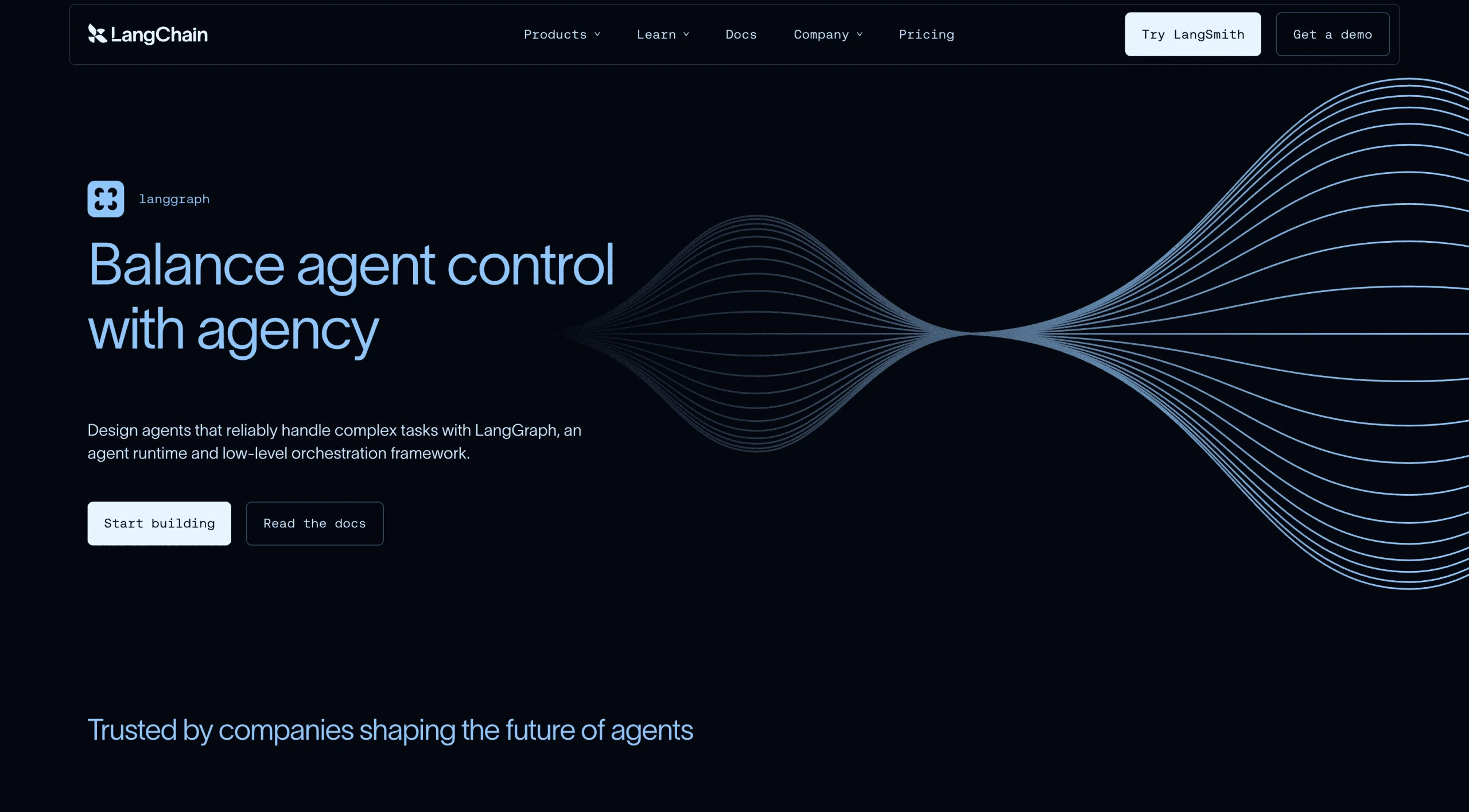
At its core, an AI agent functions through a straightforward process; however, as the demands increase, so too does the complexity of managing agent states. Enter LangGraph, which transforms agent representation from a simple linear chain into a directed graph. This allows for advanced control—including retry mechanisms, human approval steps, and fault recovery through persistent agent states.
Every action is tracked in a series of state transitions, and automatic checkpointing enables features like time-travel debugging. Various companies, such as Klarna and LinkedIn, utilize LangGraph within their AI workflows. A noticeable consideration is that while its in-memory checkpointing is great for initial testing, transitioning to a Postgres-backed configuration is typically necessary for production readiness, ensuring durability of agent states across sessions.
# 2. E2B
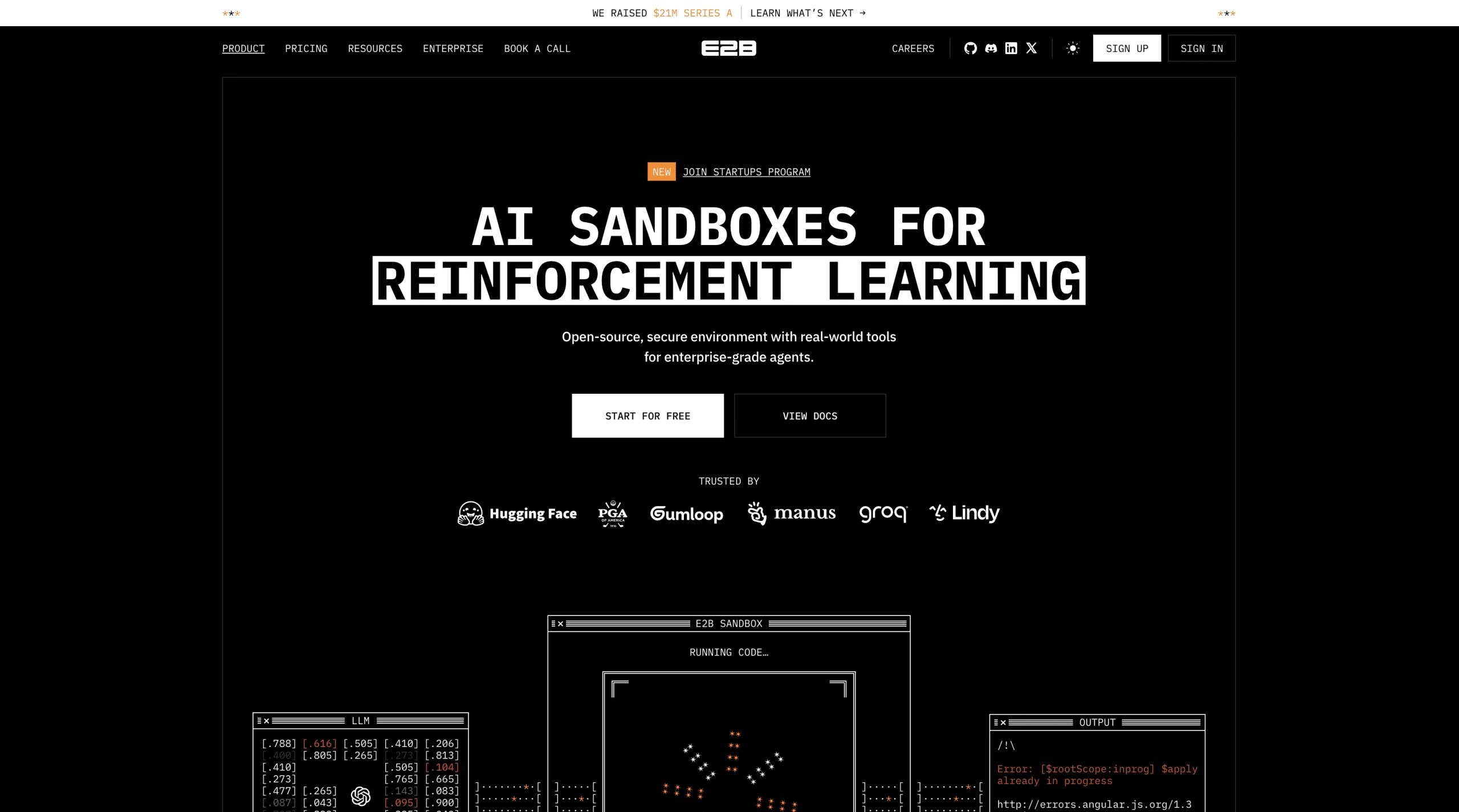
As agents begin generating and executing their own code, managing execution environments becomes critical. E2B offers secure, disposable environments specifically designed for isolating code execution associated with AI agents. By leveraging Firecracker microVM isolation, E2B guarantees a rigorous level of security, creating virtual machines that provide a stronger isolation mechanism than typical container solutions.
This platform is trusted by 88% of Fortune 100 companies, with a growing user base including Perplexity and Hugging Face. However, potential users should note E2B's runtime limitations, which may require considerations for agents demanding long-term state retention.
# 3. Mem0

To enhance user engagement, AI agents need to retain pertinent historical information across different sessions, a challenge faced when solely relying on model state. Mem0 alleviates this by automatically extracting, storing, and retrieving relevant user information in a vector database. This not only creates a sense of continuity but also empowers agents to deliver contextually relevant responses.
Mem0 is particularly effective in conjunction with LangGraph, as it covers the need for a robust memory structure that supports enduring user interactions beyond temporary session states.
# 4. LangSmith
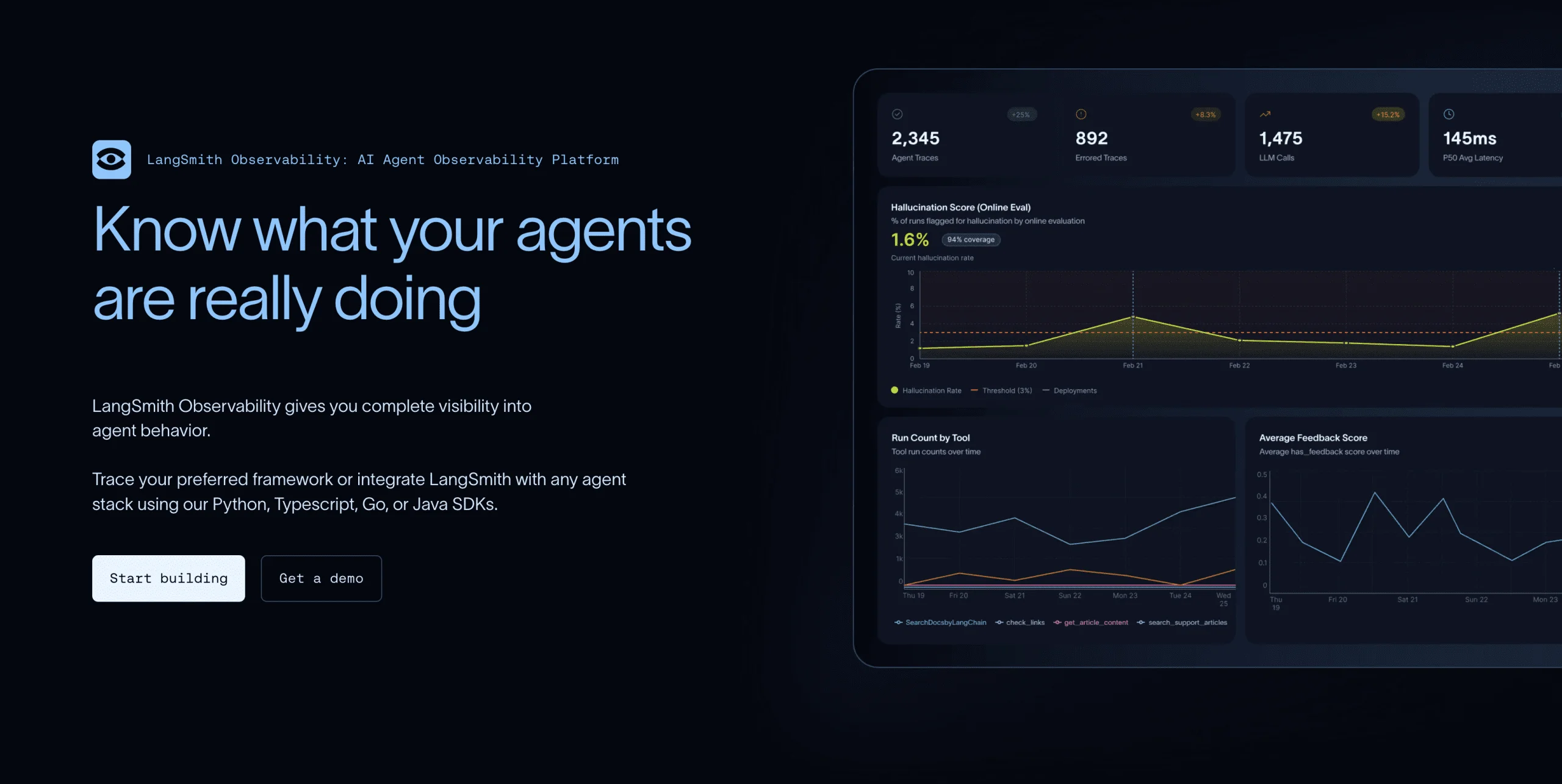
One of the substantial pitfalls in production AI environments is the lack of insight when an agent fails silently. Having the ability to trace each decision, tool call, and observation is essential. LangSmith provides a comprehensive solution for tracing, debugging, and evaluating agent performance, yielding valuable insights into agent behavior throughout its operations.
Offering a freemium model, LangSmith supports teams in debugging agents effectively before scaling their usage. Unlike basic logging, tracing allows developers to replay runs and identify the genesis of issues with precision, leading to quicker resolutions.
# 5. Modal
For hosting AI workloads, flexibility and scalability are paramount. Modal represents a serverless compute platform that addresses the fluctuating demands associated with AI workloads. It dynamically allocates resources, ensuring optimal performance during high usage while minimizing costs during downtime.
Modal's architecture significantly reduces cold-start times, enhancing user experience by rapidly deploying isolated environments for agent performance. Companies like DoorDash and Meta have turned to Modal for efficient AI operations, contributing to its impressive growth trajectory in the cloud computing segment.
# Wrap Up
In summary, the five tools discussed serve distinct yet interconnected roles in the deployment of AI agents. LangGraph lays the groundwork for logic execution, E2B secures code in isolated sandboxes, Mem0 ensures lasting memory, LangSmith provides comprehensive visibility into operations, and Modal effectively manages hosting. Success in deploying AI agents stems from an approach that recognizes and addresses each of these critical elements as unique challenges rather than attempting to rely on a single tool for comprehensive solutions.
If you're embarking on this journey, consider beginning with the development of a reliable agent workflow before adding complexity through additional infrastructure and observability tools.
Shittu Olumide is a software engineer and technical content creator dedicated to discussing advanced technologies clearly and effectively. Follow him on Twitter.
Discussion
Sign in to join the discussion.