Samsung may reconsider its iconic vertical camera design in favor of a horizontal layout, aiming for improved functionality and aesthetics.
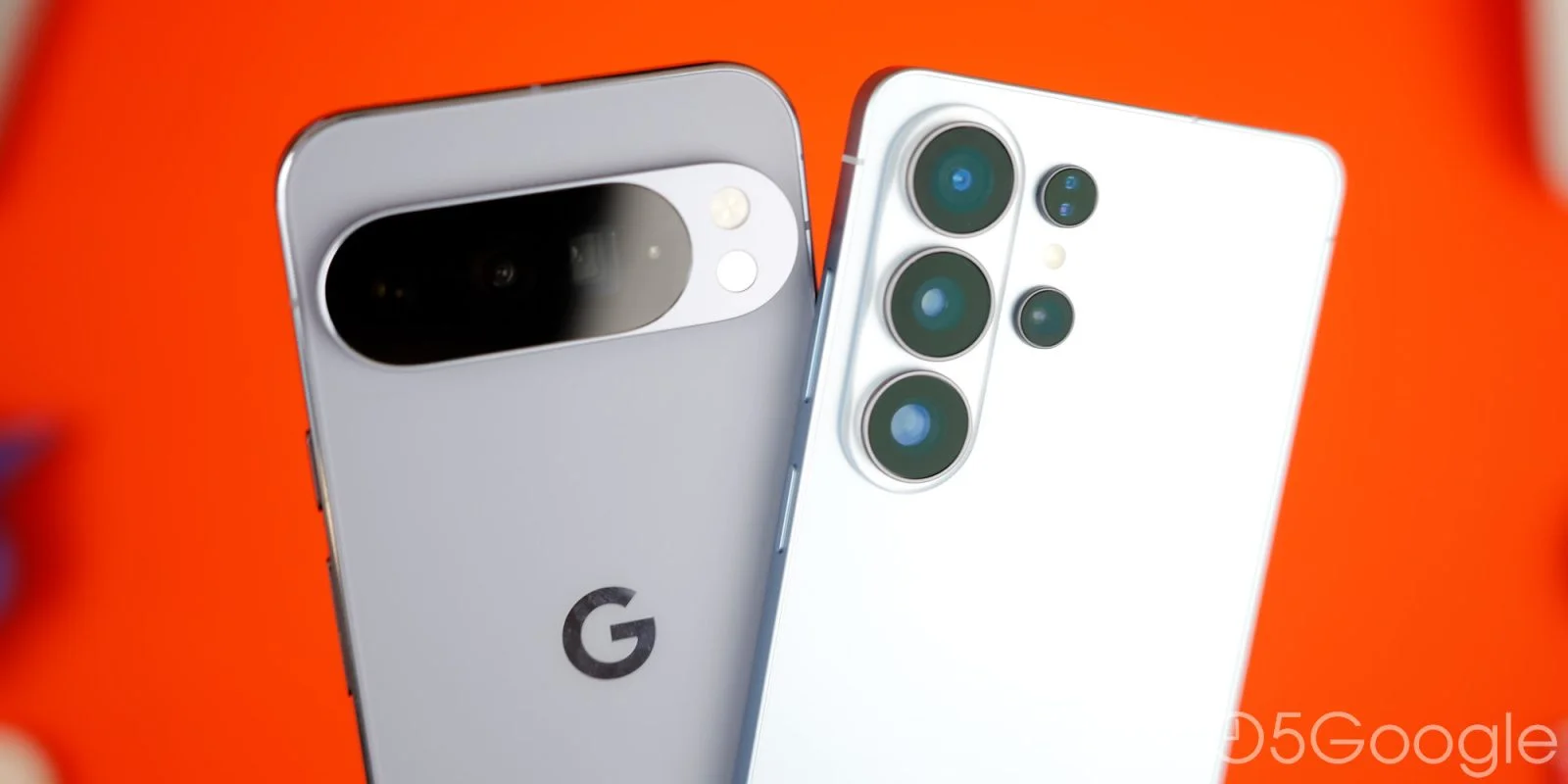
Recent patent filings suggest Samsung is contemplating a shift from its traditional vertical camera layout for Galaxy smartphones to a design reminiscent of the Google Pixel's horizontal camera bar. This transition could address ongoing user criticisms while enhancing ergonomic functionality. As the smartphone market grows increasingly competitive, the decisions made in design could have far-reaching implications for brand loyalty and user satisfaction.
Design Trends in Smartphone Cameras
The vertical camera setup has defined Samsung's Galaxy series across various price points, from premium foldables to budget models. This design has been a hallmark of the Galaxy aesthetic but hasn’t changed significantly over the years. While there's merit in the brand's consistent design approach, many industry watchers find the look uninspiring. The proposed horizontal design could bring a fresh aesthetic and improved user experience. Consumers are increasingly drawn to visually appealing designs that also enhance functionality, making this potential shift not just about looks but also about utility.
Insights from Patent Filings
According to SammyGuru, the recently surfaced patents hint at a foldable device sporting a horizontal camera arrangement. Notably, Samsung briefly experimented with horizontal designs in the Galaxy S10 era before reverting to the vertical setup that has become its hallmark. This history suggests a pendulum swing in Samsung's design philosophy. Are they shrugging off traditional norms in response to user feedback or is it simply a trial in their design lab?
Typically, news regarding patent filings is approached with caution, primarily due to the uncertainty surrounding their implementation timeline. The proposed designs could materialize within months or take years, if they ever reach market readiness. This uncertainty highlights a reality in tech development: bold concepts can often stay trapped in patent offices. The designs might excite fans today, but realizing them as market-ready products is another hurdle altogether.
The Case for Change
The urgency for Samsung to change its design approach has never been more apparent. The existing vertical configuration presents significant obstacles, particularly concerning evolving wireless charging technologies like the Qi2 standard. This standard is being rapidly adopted, yet users with Samsung devices face compatibility issues when trying to use magnetic chargers or accessories that interact directly with their devices' cameras. The disconnect between design and utility here underscores a growing trend: manufacturers must create products that are not just flashy but functional.
It's humorously frustrating that Samsung requires dedicated accessories, such as a quirky magnetic battery bank, to mitigate these design constraints. These add-ons, while functional, often obstruct the camera lens and create usability headaches. Users shouldn't have to spend additional money or compromise functionality for a design oversight.
Awaiting Concrete Developments
The enthusiasm surrounding potential design changes shouldn’t lead to overexcitement. Evidence from the latest patents hints that drastic design shifts won't occur immediately. There are indications Samsung may not implement any changes in the upcoming Galaxy S27, leaving fans and tech enthusiasts cautiously optimistic. The tech community thrives on speculation; however, excitement without concrete facts runs the risk of creating disillusionment.
As tech innovation continues to trek forward, Samsung's design choices will play a critical role in maintaining its status within the highly competitive smartphone market. The adoption of a horizontal camera bar, if executed well, could not only revitalize its flagship offerings but also align the Galaxy series with contemporary accessory ecosystems. What this means for you: if you're working in this space, understanding these design philosophies can give you a glimpse into where Samsung, and possibly others, might head next. When design choices impact functionality, they directly affect the user experience.
The Bigger Picture: Implications for the Smartphone Market
The potential shift to a horizontal camera isn’t merely a stylistic pivot; it symbolizes a larger procedural evolution within Samsung’s mindset. Competitors like Apple and Google have succeeded by prioritizing functional design improvements. Samsung's pivot may indicate a recognition of this trend as they strive to maintain relevance and appeal among tech-savvy consumers.
The ripple effects of such design changes could influence accessory development too, as manufacturers will need to adapt to new dimensions and layouts. Integrators could find themselves forced to rethink how they create products that interact with devices, considering the design and functionality coexist within the same framework.
Further Developments to Watch
For those interested in broader Samsung innovations, the company is reportedly developing additional products aimed at enhancing its ecosystem. New designs such as an even wider Galaxy Z Fold 9 are on the horizon, which may signal a willingness to experiment beyond traditional design confines. This matters because Samsung's future efforts could reframe consumer expectations not just for smartphones but across the overall tech space.
Only time will tell how Samsung navigates these design challenges and opportunities, but there's a palpable expectation for change, particularly as competitors refine their offerings. If they play their cards right, Samsung might not just catch up but redefine its role in the smartphone market.
For ongoing commentary and analysis on Samsung's latest shifts, stay connected on social platforms like Twitter and Instagram.
Discussion
Sign in to join the discussion.