Google's latest update to Find Hub for Wear OS includes a new "Find people" feature, lacking essential map functionality.
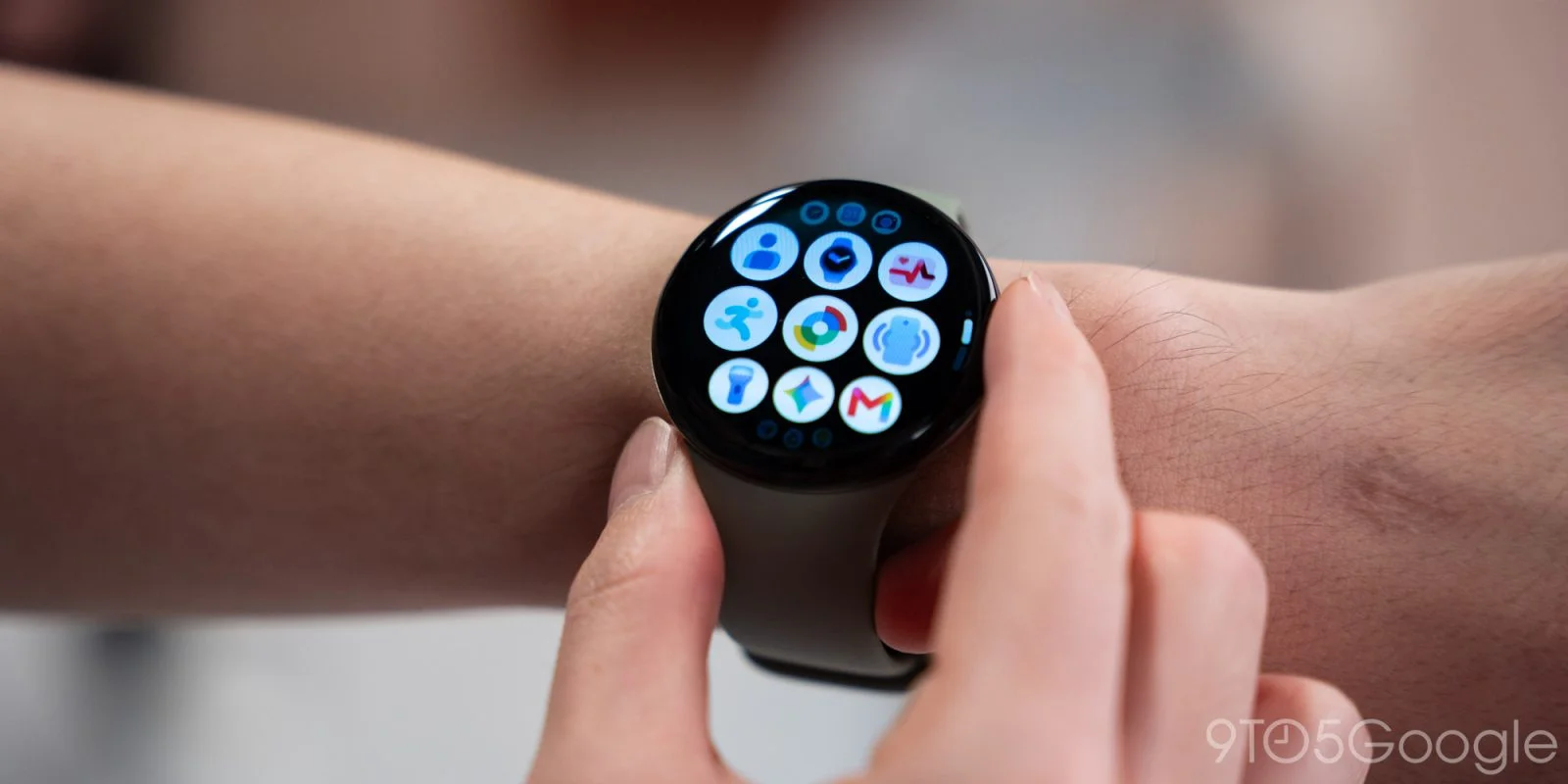
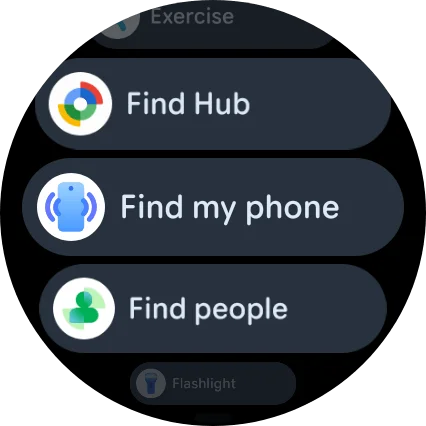
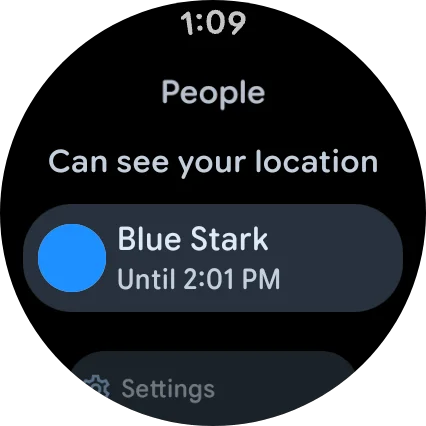
Google has expanded its Find Hub app on Wear OS with the addition of a "Find people" feature, marking a shift from solely device tracking to a focus on user location sharing. This new functionality allows users to see a list of contacts who can access their location.
From Device Tracking to People Tracking
The transition from tracking devices to allowing users to share their location with specific contacts signals a significant shift in the app's function. This adaptation is part of a broader trend in the tech industry where user-centric features are increasingly prioritized. By enabling location sharing, Google is tapping into a growing consumer desire for connectivity—whether for safety, convenience, or social interaction. The ability to share one's location with selected contacts offers a deeper layer of utility compared to simple device tracking, which typically only provides information about lost or misplaced gadgets.
The new feature allows users to manage who can see their whereabouts, effectively turning the Find Hub into a more social tool. This could be beneficial in numerous scenarios, from coordinating meetups to ensuring friends or family can track each other in crowded places. Yet, the actual execution here may leave some wanting more, as we're about to explore.
User Interface and Experience
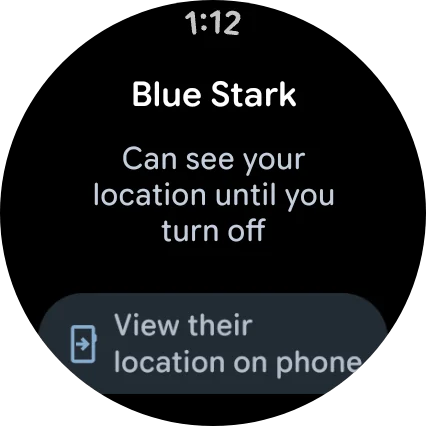
The interface presents a green icon with a radar-like appearance, but tapping into it reveals minimal information. Users are greeted with a list of individuals who have visibility into their location, including a note on the duration of this access. While it’s admirable that Google is making an effort to enhance the user experience, the implementation feels half-baked. The absence of a map on the watch's display is a notable gap—here’s the thing: location sharing usually involves a visual component like a map, which provides context to the data being shared. Users are instead prompted to "View their location on phone," indicating reliance on the mobile app for detailed tracking.
This two-tier approach may complicate the experience. Users will need to switch devices to see their contacts' locations, which could negate some of the convenience that such a wearable should deliver. For folks in a rush or those who use this feature frequently, toggling between a watch and a phone can feel cumbersome. It hardly seems like the best design decision, especially since competitors in the wearables market are often emphasizing more integrated features.
Functional Bugs and User Expectations
A curious aspect of this rollout is whether the current functionality reflects Google's final vision for the feature, as users might expect a more interactive map view akin to that available on mobile devices. There’s a lot of potential here. Think about how easy it would be for groups of friends to coordinate and find each other at events or in unfamiliar spaces. Yet, that vision feels a bit stunted given the minimalist interface provided so far.
The app is also plagued by a bug affecting the "Settings" option, which erroneously launches Google Play services in full screen. Such technical glitches can undermine user confidence, which is especially sensitive in applications dealing with location data. Bugs like these rankle users who expect software of this nature to work flawlessly, particularly when it involves something as personal as location sharing. It begs the question of whether Google has adequately tested this new feature or simply rushed it out the door.
Implications for Wearable Technology
This update, identified as version 1.0.429.0, has begun its rollout via the Play Store, suggesting that users may soon experience this new feature firsthand. In a crowded marketplace of wearables, user expectations are at an all-time high, so the stakes here are significant. If you're working in this space, you'll need to consider how such features roll out not just technically, but also in terms of overall user experience. This isn't just about throwing functionalities into a product; it's about asking if they truly enhance life—and by extension, sales.
As wearables continue to grow in popularity, brands must strike a balance between offering advanced features and maintaining simplicity in use. The current iteration of Find Hub may have a role in shaping how users interact with location-sharing features, but if it fails to improve, it risks becoming an overlooked option amid a sea of choices. In a saturated market, mediocrity won’t cut it. And yet, Google has the infrastructure to make this work, if only it would prioritize thoughtful execution over expedient rollout.
Discussion
Sign in to join the discussion.