Samsung’s One UI 9 introduces a dedicated hub for warranty and repair information, simplifying device care through intuitive digital tools.
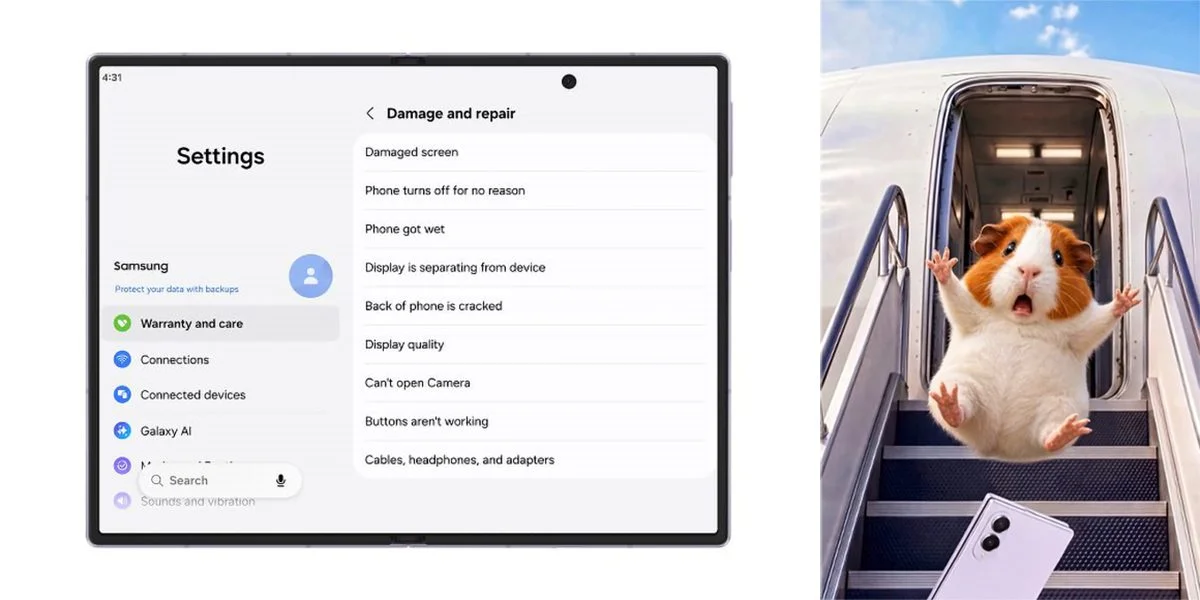
Samsung has made strides in user convenience with the launch of its new “Warranty and Care” hub in One UI 9, currently available for the Galaxy Z Fold 8 series. This feature, which is set to expand to more devices, streamlines the process for managing repairs and warranty claims for Galaxy users. This enhancement reflects a growing trend in the tech industry, where manufacturers are increasingly focused on user experience and after-sale support as key areas for engagement.
Centralizing Device Information
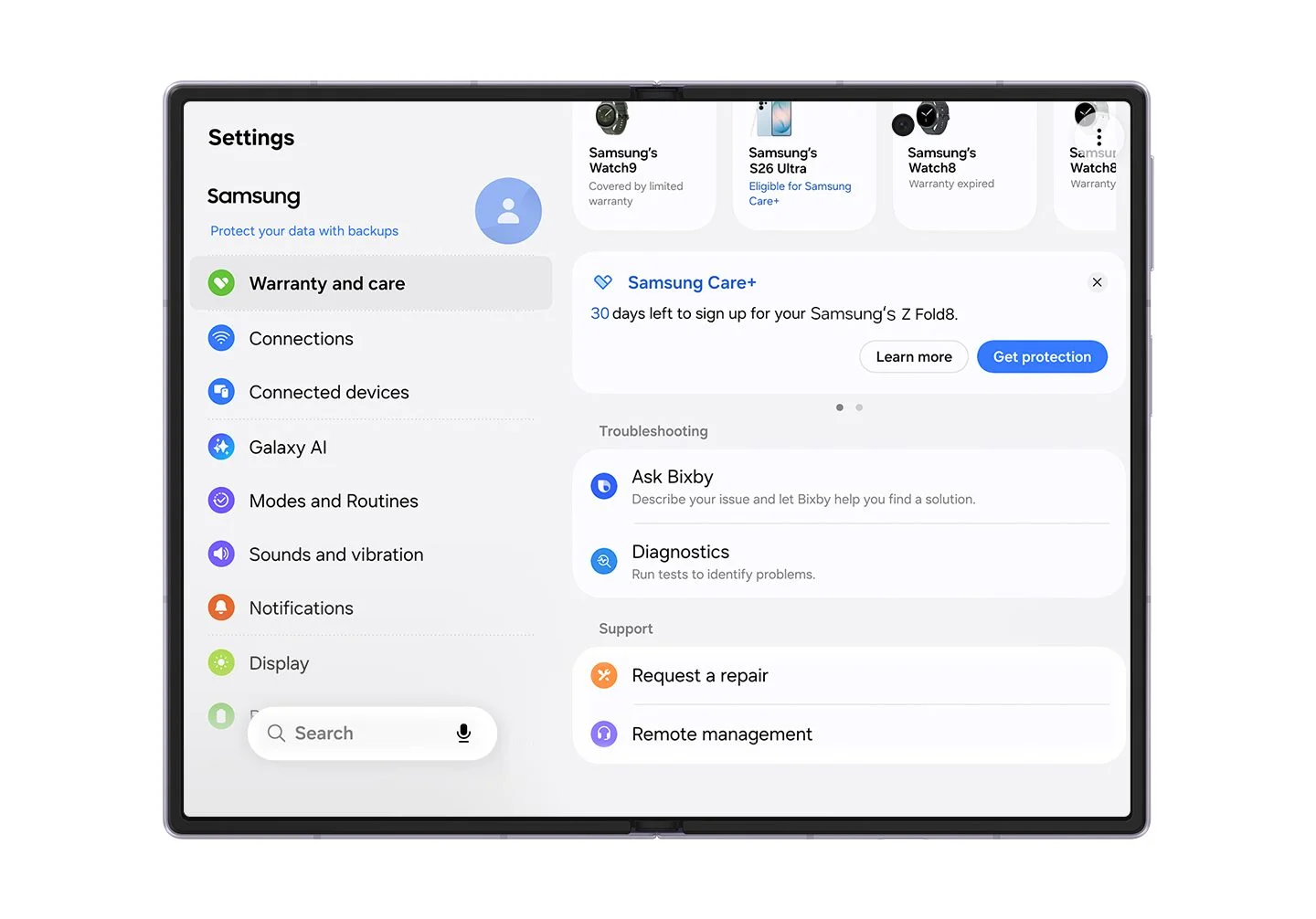
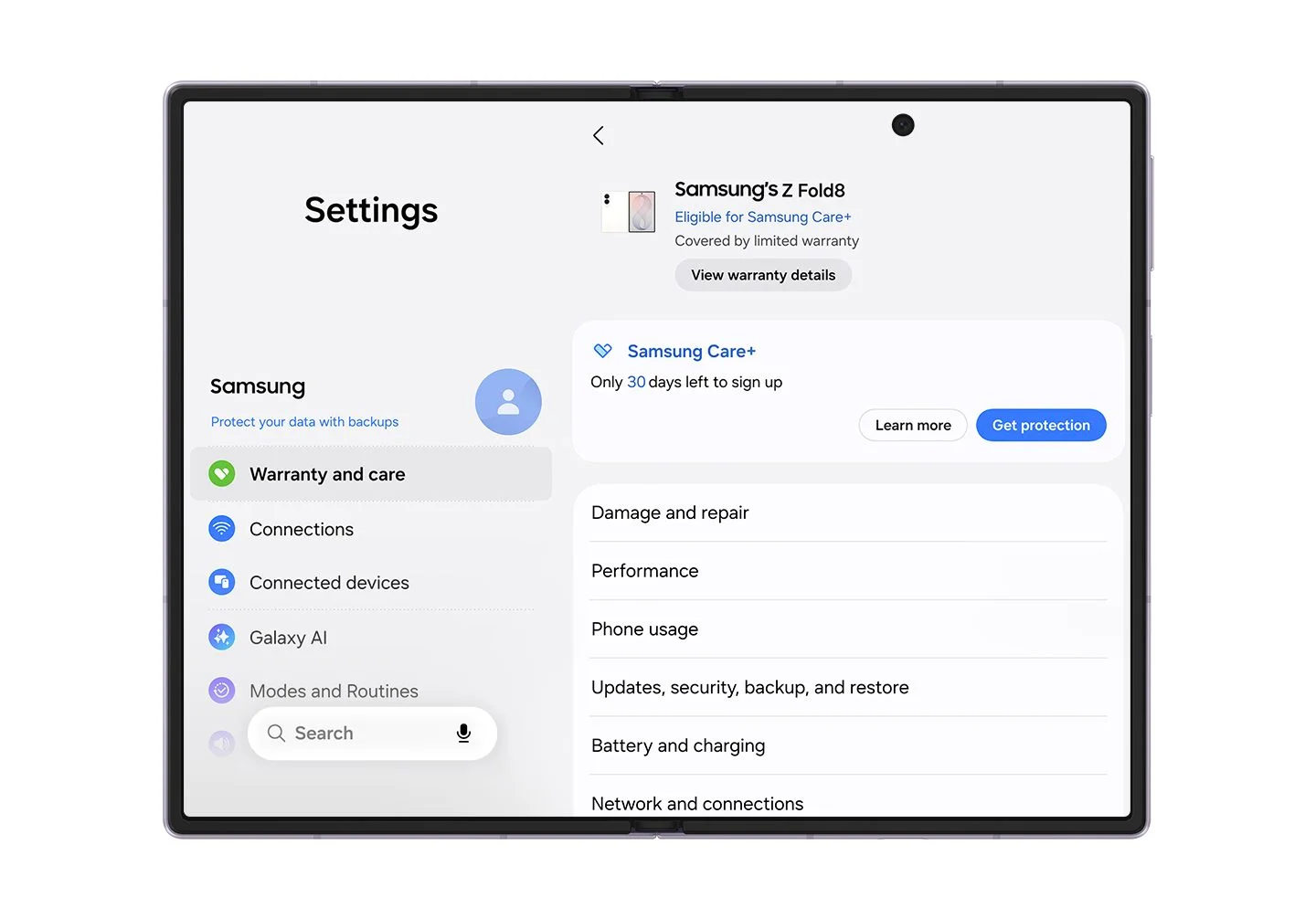
Located within the Settings menu, the Warranty and Care hub provides a consolidated view of warranty timelines, eligibility for Samsung Care+, and device details. Users will find information about their active device prominently displayed, along with warranty status for any additional Galaxy devices linked to their Samsung account. These features promote effortless tracking across the Galaxy ecosystem. Samsung clearly understands that keeping users informed about their device’s status—which is often an afterthought—can lead to greater satisfaction.
This centralization of information signals a shift towards more user-friendly interfaces in tech products. Many consumers have multiple devices and services from the same brand, and managing warranties across various platforms can be cumbersome. Samsung’s hub aims to remove that hassle, ultimately driving customer retention. It’s all about reducing friction at every interaction point—a goal that’s becoming increasingly relevant as technology adoption rises.
As Samsung puts it: “Available in Settings, Warranty and care displays information about the device in use at the top of the screen — including remaining warranty period and eligibility for Samsung Care+ enrollment.”
Enhanced Troubleshooting Features
One of the noteworthy enhancements in One UI 9 is Bixby’s ability to assist with diagnostics and troubleshooting through natural language queries. Users can also receive estimated repair costs instantly when submitting requests, making the process more transparent and user-friendly. This leveling up of Bixby isn’t just a minor update; it’s indicative of a broader trend in AI and device management.
Virtual assistants like Bixby aim to bridge the gap between user queries and technical support. Often, users are left confused or frustrated when dealing with technical issues. By incorporating natural language processing capabilities, Samsung enables users to express their concerns more intuitively. That’s a significant advantage, especially in a market flooded with smartphone options. If you’re working in this space, you know how tech support can be a pain point. Simplifying that interaction enhances overall satisfaction and builds brand loyalty.
Marketing with a Twist
Interestingly, Samsung's promotion of this feature includes a curious visual element—AI-generated guinea pigs. These quirky digital mascots have become a recognizable part of the marketing strategy for the Galaxy Z Fold 8, featured prominently during the recent Unpacked event and in subsequent ads. While the connection between guinea pigs and warranty services might be puzzling, it certainly adds an unconventional twist to the campaign. This choice certainly grabs attention, but the rationale behind this marketing approach merits further analysis.
Samsung appears to be targeting a younger demographic that appreciates humor and offbeat visuals. The use of guinea pigs could serve to make Samsung feel more accessible, unburdened by the typical serious undertones of tech marketing. And yet, one has to wonder if such branding efforts resonate with older, more traditional consumers who might prioritize functionality over whimsy. This is more significant than it looks; how a brand connects with its audience can shape long-term perceptions. People want relatable marketing, but do animals really sell tech products?
Visual Showcase
Implications for User Experience
Samsung's new feature highlights a fundamental shift in how brands are beginning to view user experience beyond the point of sale. What this means for you is that the expectation for streamlined assistance and ease of use is only going to increase. Users are now accustomed to having all necessary information at their fingertips. In this fast-paced digital age, any delay or obstruction can feel like an affront to customer service.
As other tech giants watch Samsung’s foray into this space more closely, it’s likely that similar offerings will crop up across the industry. Companies that ignore this trend risk alienating their customers, who may opt for brands that provide a more unified experience. Additionally, as younger consumers grow into the demographic that purchases premium tech products, they’ll expect these conveniences as a standard, not a perk. Samsung seems to be aware of this shift, investing heavily in features that promote user-centric service.
In a nutshell, simplifying warranty management and enhancing troubleshooting through AI not only stands to benefit users but also fosters brand loyalty. Samsung's proactive approach could reshape customer expectations for tech support. What remains to be seen is how effectively they can expand this feature across their devices without sacrificing service quality.
Discussion
Sign in to join the discussion.