The Pixel 11's upgraded Pixelsnap magnets provide improved connectivity, making accessories more stable compared to previous models.
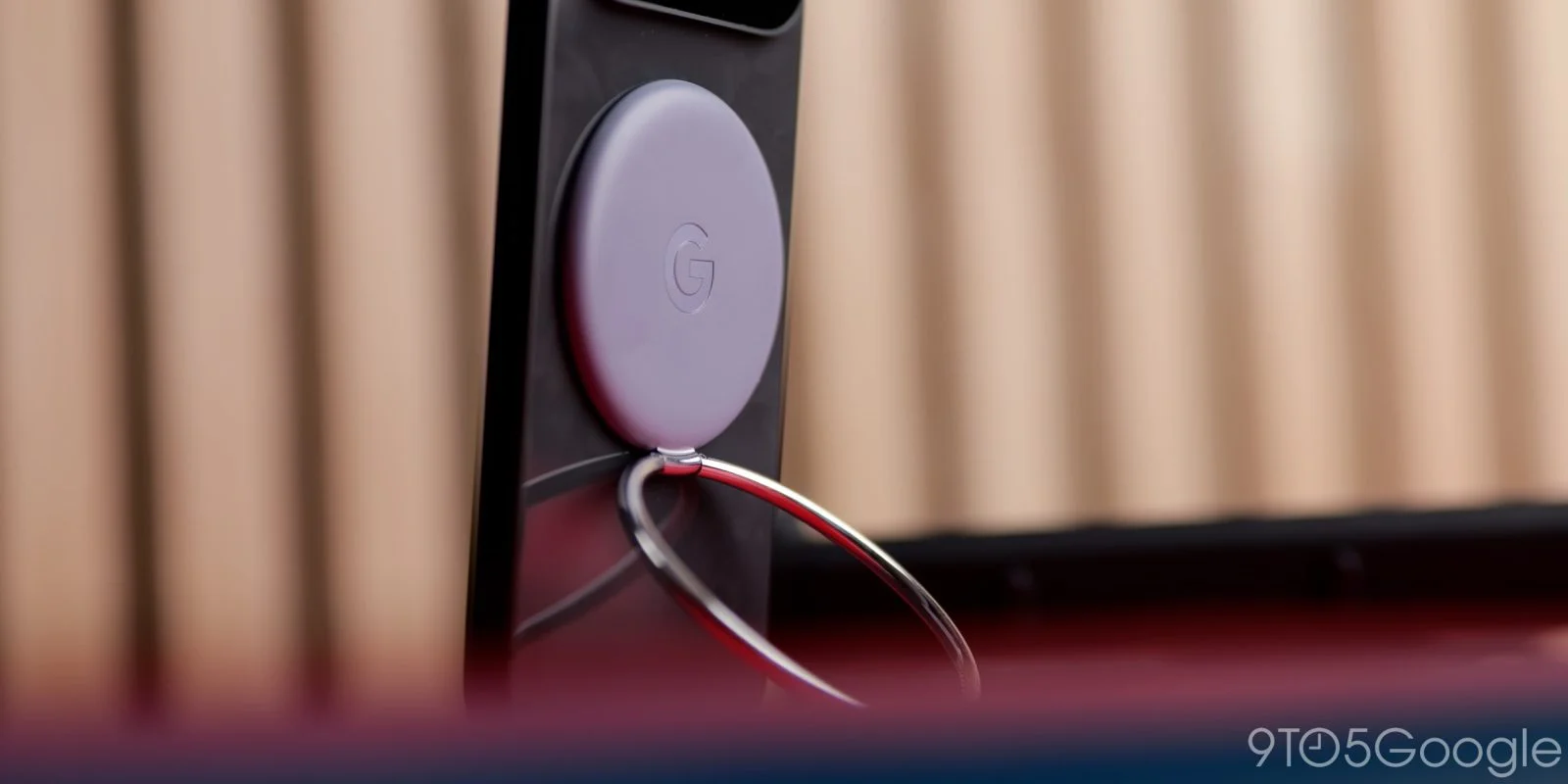
Google's Pixel 11 series brings notable enhancements to the Pixelsnap feature, particularly by improving magnet strength. This year's iteration positions itself just shy of Apple's MagSafe connection found on iPhones, offering a more reliable grip for attached accessories.
Magnet Strength: A Step Forward
During hands-on testing, the updated magnets demonstrate a firmer connection, resulting in less chance of accessories dislodging. Unlike earlier models, the Pixel 11 requires more deliberate effort to detach the Pixelsnap kickstand, indicating a tangible upgrade in magnet strength. While it still lacks the complete security offered by MagSafe, it approaches that level, reassuring users that their accessories will stay firmly in place.
The focus on magnet strength isn't just a minor technical tweak; it reflects a broader trend in smartphone design aimed at enhancing user experience. Accessories like kickstands, battery packs, and camera mounts rely on a solid magnetic connection for functionality. When done right, as seen with Apple’s MagSafe, this can lead to a more fluid interaction between the device and its accessories. Google’s adjustments in the Pixel 11's magnetization could become a benchmark for other manufacturers to consider as they refine their own accessory ecosystems.
Enhanced Usability with Accessories
These stronger grips are especially beneficial when paired with accessories that already possess a significant magnetic hold. Users can expect a noticeable enhancement in usability without depending heavily on cases, which many rely on for added stability. This leads to a cleaner, more sophisticated look that aligns with current trends in smartphone aesthetics. After all, the desire to flaunt a phone's design without bulky cases is palpable among users who value form as much as function.
Yet there’s an irony here. Some manufacturers in the Android realm still seem resistant to embracing this technology. Samsung, for example, continues to push cases as a primary means of achieving magnet functionality, which feels less thoughtful in an age where user experience optimization is key. If you're working in this space, you'll understand that the accessories ecosystem can significantly make or break a device’s appeal.
In a time where aesthetics are everything, the Pixel 11’s enhancements offer a glimpse into what could be a more integrated future for accessory usability. The challenge remains for other Android OEMs to rethink their strategies. Why aren’t they taking full advantage of the magnetic technology that has been widely accepted among users? It’s a gap that could easily be filled, yet it remains largely unaddressed.
Android Market Trends
There's an evident gap where most Android OEMs are missing out on integrating a magnetic connection that rivals Apple’s approach. It raises questions about why others aren't capitalizing on the magnetic technology that's proven effective in the competing ecosystem. The smartphone market, saturated with options, often boils down to nuanced differences that can sway consumer choice. In this scenario, Google stands out for enhancing the Pixelsnap feature, positioning it as a user-friendly choice for those who prefer to experience their smartphone's design without bulky cases.
Despite being a relatively niche technology, magnetic attachment could be a significant differentiator among smartphone brands. Similar systems typically have a learning curve, especially for users transitioning from traditional connectivity methods. Here’s the thing: once you've experienced the magnetic convenience, going back feels cumbersome. Google has recognized this and attempted to bridge the gap, albeit cautiously.
Implications and Future Outlook
What does this mean for the future? Google's strides in improving the Pixelsnap magnet strength could compel other smartphone manufacturers to rethink their accessory strategies. If the demand for less bulky designs continues to rise, which it likely will, brands that lag in enhancing these features could find themselves losing market share.
The reality is that consumers are gravitating towards brands that prioritize seamless accessory integration. (and this is the part most people overlook) If other manufacturers don’t catch up, they risk becoming obsolete in the eyes of tech-savvy buyers who value both form and function. Google's Pixel 11 series doesn't just position itself as a product; it signals an intent toward shaping user expectations in the Android ecosystem—an expectation for better design that goes hand in hand with usability.
Conclusion
In this evolving frontier of smartphone design, the Pixel 11’s enhanced Pixelsnap capability is more significant than it looks. The subtle yet important improvements underscore a shift towards an accessory-centric approach that can redefine user interaction with mobile devices. The stakes are high in an increasingly competitive marketplace. Only time will tell if this push will be contagious, eventually leading to a more unified standard among Android manufacturers, or if Google will find itself continuing to stand alone in its commitment to better user experience.
Discussion
Sign in to join the discussion.